Southern Transitional Council Rejects Northern Military Operations
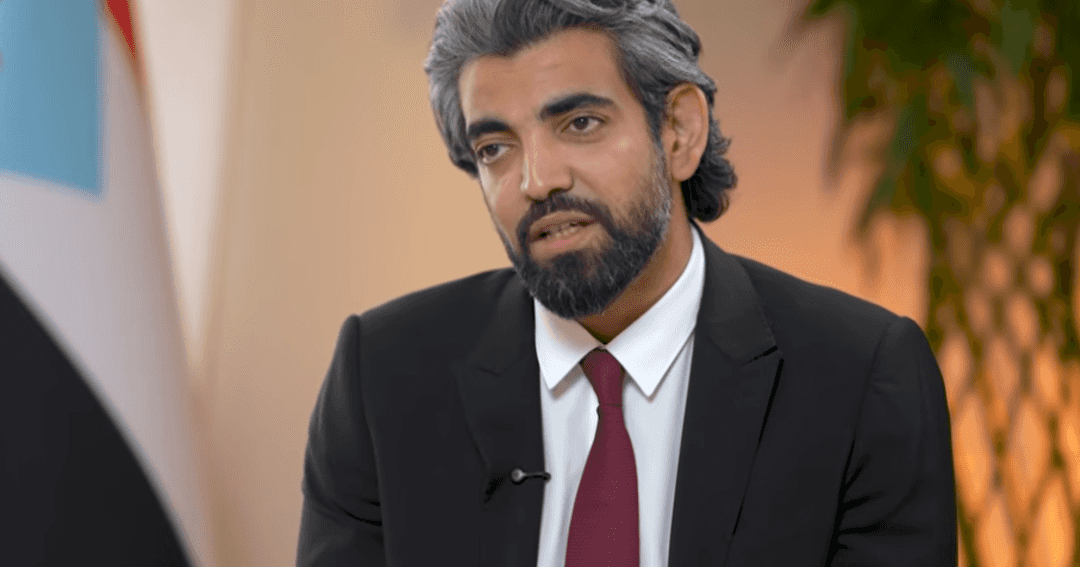
Amr Al-Bidh, the Special Representative for Foreign Affairs of the Southern Transitional Council (STC), has formally articulated the council’s position regarding the ongoing conflict in Yemen, emphasizing that the primary focus of the STC remains the protection and stability of the southern territories. In a clear message to the Presidential Leadership Council (PLC) and its head, Rashad Al-Alimi, Al-Bidh argued that the focus must remain on strengthening southern defense lines rather than expanding military efforts into northern regions.
Al-Bidh addressed the military initiative dubbed “Dawn of Yemen,” which had been publicly announced by President Rashad Al-Alimi. According to the STC representative, pursuing this operation in the north without a comprehensive and clearly defined strategic framework is ill-advised. He went as far as to characterize the proposed northern offensive as a “political suicide,” suggesting that such a move would lack the necessary operational cohesion and strategic depth required to achieve sustainable outcomes.
The STC’s stance underscores the lingering complexities within the anti-Houthi coalition in Yemen. While the STC is technically part of the broader political alliance represented by the Presidential Leadership Council, its regional objectives often diverge from those of the central government. Al-Bidh’s comments highlight a fundamental disagreement over priorities, with the STC maintaining that its mandate—to secure and govern the south—must take precedence over military ventures in northern governorates currently under Houthi influence.
By publicly distancing the STC from the “Dawn of Yemen” campaign, Al-Bidh has signaled to the Presidential Leadership Council that southern military assets and personnel will not be automatically redirected toward northern battlefields. This friction points to the delicate balance of power within the current Yemeni leadership, where competing visions for the country’s future and differing threat assessments continue to complicate national military and diplomatic strategy.
The rhetoric used by the STC leadership reflects deep-seated concerns that overextending military reach into the north could jeopardize the hard-won gains achieved in southern provinces. For the STC, the immediate imperative is to solidify administrative and security control in the south, rather than engaging in a high-risk northern military theater that they believe could undermine the stability of the regions they currently oversee. This development marks a significant point of contention within the Yemeni political landscape, illustrating the challenges of coordinating a unified response to the ongoing crisis while facing internal divisions regarding geographical priorities and long-term political objectives.