

Russian Defense Ministry Reports Surge in Drone Attacks and Losses
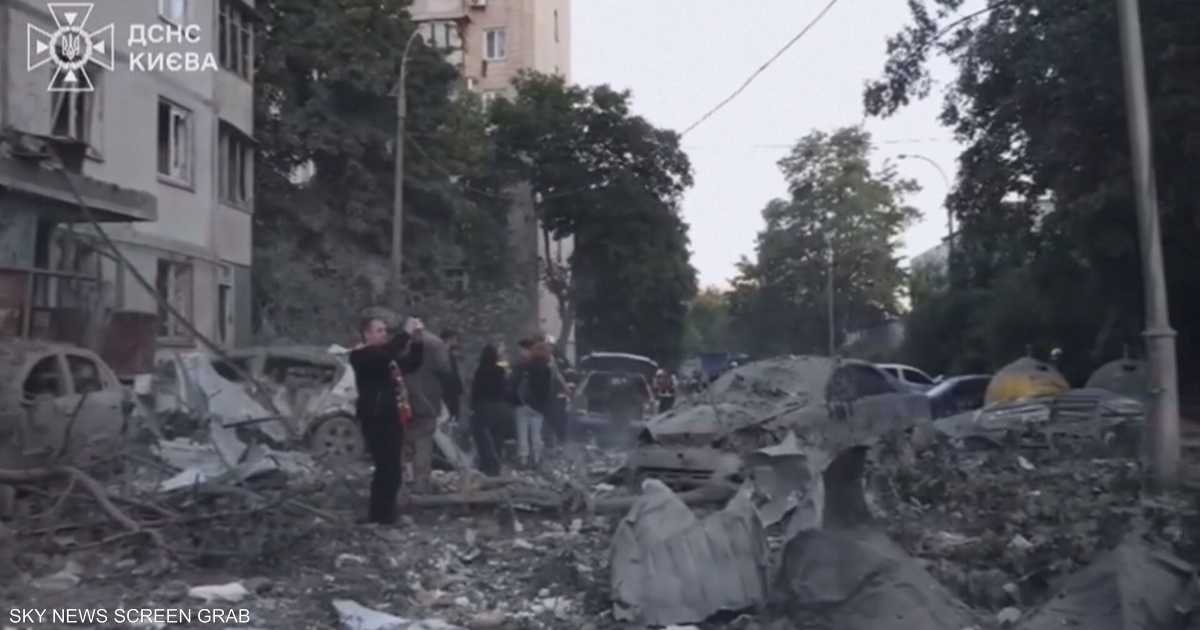
The Russian Ministry of Defense announced on Saturday that its air defense systems intercepted 397 Ukrainian drones over various regions throughout the previous night. This significant uptick in aerial activity marks a continuation of the intense tactical maneuvering that has characterized the conflict, which remains a primary driver of geopolitical instability with far-reaching consequences for the Middle East and North Africa.
In addition to the overnight interception, the defense ministry released updated figures regarding Ukrainian military losses over the past week and throughout the duration of the war. These metrics provide insight into the attrition levels of the ongoing hostilities, which have remained a constant factor in international relations and security calculations for key regional players.
For Middle Eastern nations, the persistence and escalation of the Russia-Ukraine conflict carry significant weight. Many states in the region, particularly those in the Gulf Cooperation Council, have sought to maintain a delicate balance in their diplomatic relations with both Moscow and Kyiv. The ongoing military engagement continues to influence global energy markets, as supply chain disruptions and shifting trade routes directly affect the oil and gas revenues that sustain several regional economies.
Furthermore, the conflict has forced a recalibration of strategic alliances across the Middle East. With Russia serving as a major power broker in the Syrian conflict and a key actor in regional energy policy via the OPEC+ framework, any escalation in Ukraine is closely monitored in regional capitals. The ability of Russian forces to maintain control over their airspace while engaging in high-intensity drone warfare provides a baseline for analysts assessing Moscow’s military sustainability and its overall impact on regional security dynamics.
As drone technology continues to evolve as a centerpiece of modern warfare, the reliance on unmanned aerial systems has changed the strategic landscape. The massive volume of drones utilized in recent operations highlights a reliance on cost-effective, high-frequency strikes that challenge traditional air defense architectures. This shift in military doctrine is being studied closely by defense planners in nations across the MENA region, many of whom have faced similar threats from regional proxies and state actors utilizing comparable technology.
Ultimately, the report from the Russian Defense Ministry serves as a reminder that the conflict’s intensity remains unabated. For stakeholders in the Middle East, the sustained volatility in the Black Sea and across Russian territory is not merely a regional European matter, but a critical element in the broader, shifting global security architecture that dictates economic stability and diplomatic alignment across the MENA region.