

Proposed Hormuz Strait Agreement Could Introduce Mandatory Transit Fees
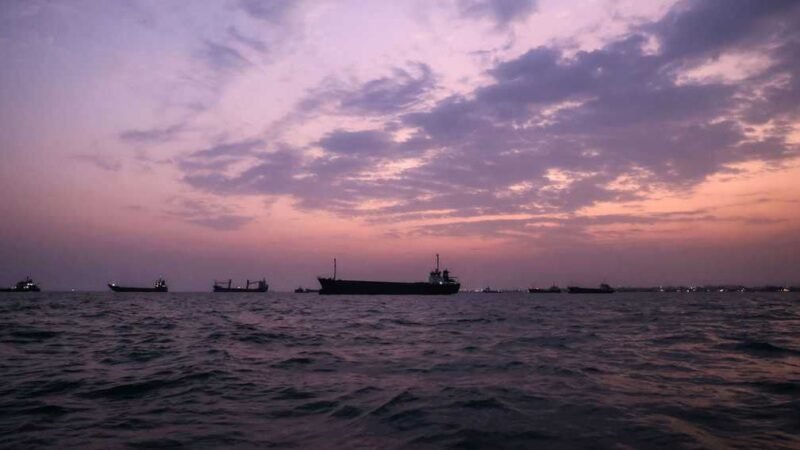
A proposed framework for the management of the Strait of Hormuz is currently under discussion, with early details suggesting the implementation of mandatory transit fees for international shipping. The development marks a significant potential shift in the regulatory environment of one of the world’s most critical energy maritime corridors.
The proposed measures, which are part of an emerging agreement concerning the waterway, aim to introduce a formal structure for transit rights and vessel oversight. If enacted, these mandatory fees would apply to commercial vessels navigating the strait, which serves as a primary conduit for a substantial portion of the global oil and liquefied natural gas supply.
The Strait of Hormuz, located between Oman and Iran, remains a focal point of global energy security. Any change to the status quo regarding transit through these waters is expected to draw close attention from international maritime authorities, energy markets, and nations dependent on the unimpeded flow of commodities through the region.
While the specific mechanics of how these fees would be collected, regulated, or enforced remain subject to further diplomatic deliberation, the introduction of a fiscal requirement for passage signals a move toward formalizing regional control over the strait. The implications of such a policy extend beyond purely economic considerations, touching upon long-standing international maritime law and freedom of navigation principles.
Energy analysts suggest that the introduction of transit fees could influence global shipping routes and potentially alter the operational costs for international oil and gas exporters. The move comes as regional powers seek to redefine maritime governance within the Persian Gulf and its exit points.
Diplomatic observers are now monitoring the development to determine how these proposed regulations will align with international agreements governing territorial waters and international straits. Further details regarding the timeline for implementation and the scope of the mandatory fees are expected to emerge as the proposal undergoes formal review by the relevant regional stakeholders.