


Amazon’s Texas Energy Pivot: What It Means for Global Energy Markets
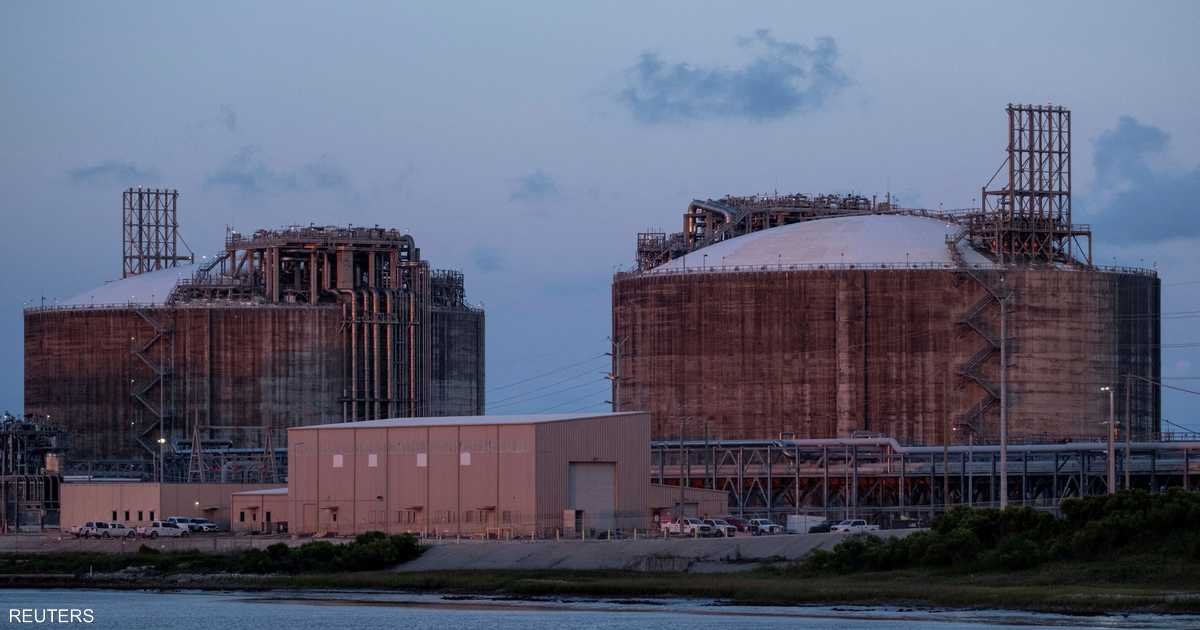
Amazon has confirmed it is providing the necessary financial backing for the construction of a massive, dedicated gas-fired power station in Texas. The project, designed to meet the ballooning electricity requirements of the company’s burgeoning artificial intelligence infrastructure, is expected to become one of the most significant sources of greenhouse gas emissions in the United States once operational. This development serves as a critical case study for global energy stakeholders, including those in the Middle East and North Africa, where the race to build data centers and AI capabilities is increasingly colliding with national decarbonization targets.
The energy intensity of generative AI models is forcing tech giants to rethink traditional power procurement strategies. By moving toward the development of dedicated, large-scale power facilities, companies like Amazon are bypassing existing grid constraints to ensure the reliable, high-voltage supply required for data center operations. For energy-exporting nations in the MENA region, this shift underscores a burgeoning global reality: the transition to a digital, AI-driven economy is creating a new category of ‘anchor tenants’ for energy production that prioritize consistent, high-capacity generation over renewable-only portfolios.
Countries such as Saudi Arabia and the United Arab Emirates are currently investing billions into becoming global AI hubs. The Amazon model in Texas offers a preview of the infrastructure challenges these nations face. As they look to scale their local data processing capabilities, the tension between maintaining low-carbon credentials and ensuring the massive power security required by hyperscale cloud operators will become a defining policy challenge. The Texas project illustrates that even the world’s most vocal proponents of sustainable energy are finding it difficult to reconcile the immediate, colossal energy demands of AI with current renewable capacity limits.
From a regional perspective, the international reliance on fossil fuels to backstop the ‘AI revolution’ may shift the conversation regarding future energy exports. As global tech giants increasingly secure their own base-load power, the strategic value of stable natural gas supplies—whether for traditional generation or for integrated industrial energy projects—is likely to remain high. For the MENA region, this suggests that while the shift toward solar and green hydrogen is accelerating, natural gas will continue to play a pivotal role in powering the technological infrastructure that defines the 21st-century economy.
As Amazon moves forward with this initiative, industry analysts will be closely monitoring how the company manages the regulatory and environmental impacts of such a massive carbon footprint. The project marks a significant departure from the trend of corporate reliance on existing green power purchase agreements, signaling that the sheer scale of modern computing power is changing the fundamental relationship between technology firms and energy producers worldwide.