

Colombia Shifts Policy to Recognize Moroccan Sovereignty over Western Sahara
In a major diplomatic development, the Republic of Colombia has formally announced a shift in its foreign policy regarding the Western Sahara, declaring its recognition of the Kingdom of Morocco’s sovereignty over the territory. This pivot marks a strategic realignment for the South American nation and serves as a significant boost to Rabat’s ongoing diplomatic efforts to secure international support for its territorial integrity.
The announcement reflects a growing trend among nations across the Global South to align with Morocco’s Autonomy Plan, which Rabat proposes as the sole basis for a political solution to the long-standing regional dispute. By extending formal recognition to Moroccan sovereignty over the southern provinces, Colombia joins a burgeoning list of international actors who have moved to solidify their bilateral ties with Morocco through clear support for its administrative control over the region.
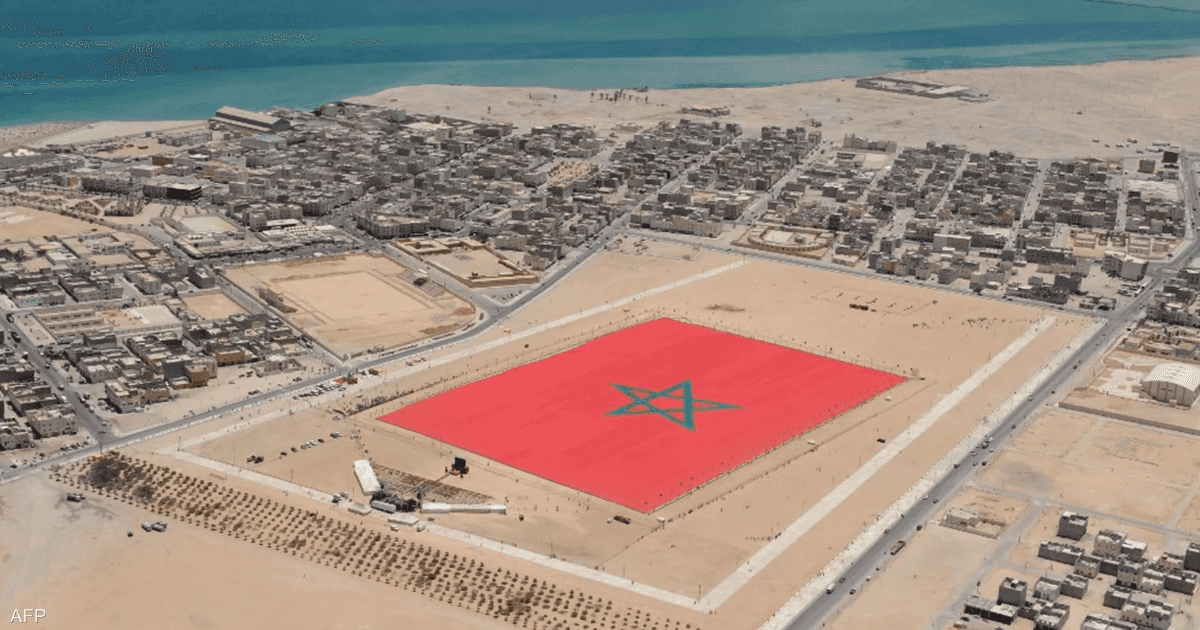
For Morocco, this diplomatic breakthrough is part of a broader, multi-year strategy to garner international backing for its position on the Sahara. Over the past several years, the Kingdom has intensified its outreach efforts, successfully persuading various countries in Africa, the Middle East, and increasingly Latin America to open consulates in the cities of Laayoune and Dakhla, thereby signaling their recognition of the territory as an integral part of Morocco.
The shift in Bogotá’s position is particularly noteworthy given Colombia’s historical stance on the matter and its regional influence in Latin America. Foreign policy analysts suggest that this decision is likely to exert pressure on other regional neighbors to re-evaluate their own positions, potentially leading to a broader shift in continental consensus regarding the dispute.
Diplomatic observers note that the move is not merely a change in rhetoric but a fundamental recalibration of Colombia’s engagement with North Africa. As Rabat continues to prioritize the Sahara issue as the primary lens through which it measures its international partnerships, this development is expected to deepen economic, security, and diplomatic cooperation between Morocco and Colombia.
This official recognition arrives at a time when the United Nations remains actively involved in facilitating a political process to resolve the conflict. However, the consistent momentum of countries formally supporting Morocco’s territorial claims suggests that the international landscape is increasingly tilting toward the Moroccan perspective.
As the diplomatic fallout of this announcement ripples through international corridors, it is expected that Morocco will leverage this support to further strengthen its presence on the global stage. The Kingdom has long maintained that the sovereignty of the southern provinces is non-negotiable and represents the heart of its national interest. With the backing of an influential South American power like Colombia, Rabat is effectively expanding its diplomatic reach well beyond its traditional spheres of influence in the Arab and African worlds, further isolating those who continue to oppose its sovereign rights over the territory.