

Iraq Faces Critical Test in Effort to Assert State Control Over Arms
Iraq’s ongoing struggle to consolidate its security apparatus has reached a critical juncture. The date of September 30 has emerged as a focal point in the country’s political calendar, marking a definitive test of the government’s resolve to enforce the state’s monopoly on force. As the administration works to dismantle the presence of illicit arms outside the formal military structure, the initiative represents a significant challenge to the entrenched status quo in Iraqi politics.
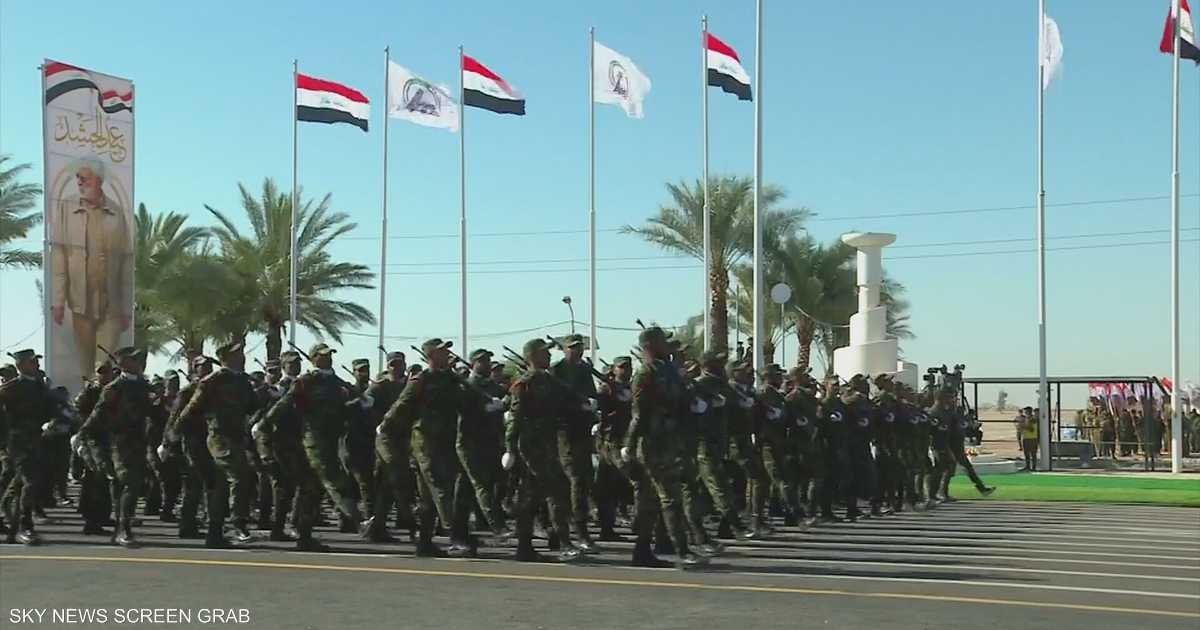
For years, the proliferation of militias and armed factions operating independently of the formal security services has undermined the Iraqi state’s sovereignty. The presence of these groups, which often possess heavy weaponry and operate outside the purview of the Ministry of Interior or the Ministry of Defense, has long been a source of domestic instability and international concern. The government’s current push to bring these entities under the institutional umbrella of the state is seen by analysts as an essential, if perilous, step toward restoring order and strengthening public trust in national institutions.
The upcoming deadline is not merely a bureaucratic milestone; it serves as a litmus test for the effectiveness of current administrative efforts to impose the rule of law. The challenge lies in the complex landscape of Iraq’s power-sharing arrangement, where many armed groups are deeply integrated into the political fabric of the country. Disarming these factions requires a delicate balance of political maneuvering and security oversight that has historically been difficult to achieve.
Successful execution of this mandate would signal a transition toward a more centralized and accountable state structure. Conversely, failure to meet the requirements of the disarmament process could further weaken the central government’s legitimacy and exacerbate existing fissures within the security sector. The authorities are under intense pressure to demonstrate that the Iraqi state can exercise its primary duty: the protection of its citizens through a singular, unified military and police force.
The strategic necessity of this endeavor extends beyond domestic security. International stakeholders remain wary of the influence of non-state actors in Iraq, viewing the unregulated distribution of weapons as a primary obstacle to long-term economic development and diplomatic stability. By prioritizing the regulation of arms, the Iraqi government aims to project an image of a sovereign state capable of managing its own security, which is vital for maintaining regional partnerships and fostering a secure environment for investment.
As the end of September approaches, the political focus remains firmly fixed on whether the government can transform its stated objectives into tangible progress. The process involves comprehensive audits of current weapon holdings and the forced integration or dissolution of unauthorized units. Whether this strategy can effectively neutralize the influence of rogue elements without triggering widespread unrest remains the primary question facing the current leadership. The outcome will likely shape the country’s trajectory for years to come, defining the limits of state power in a post-conflict, fractured political landscape.