

Libya’s Zawiya Refinery Contains Leak After Drone Strike
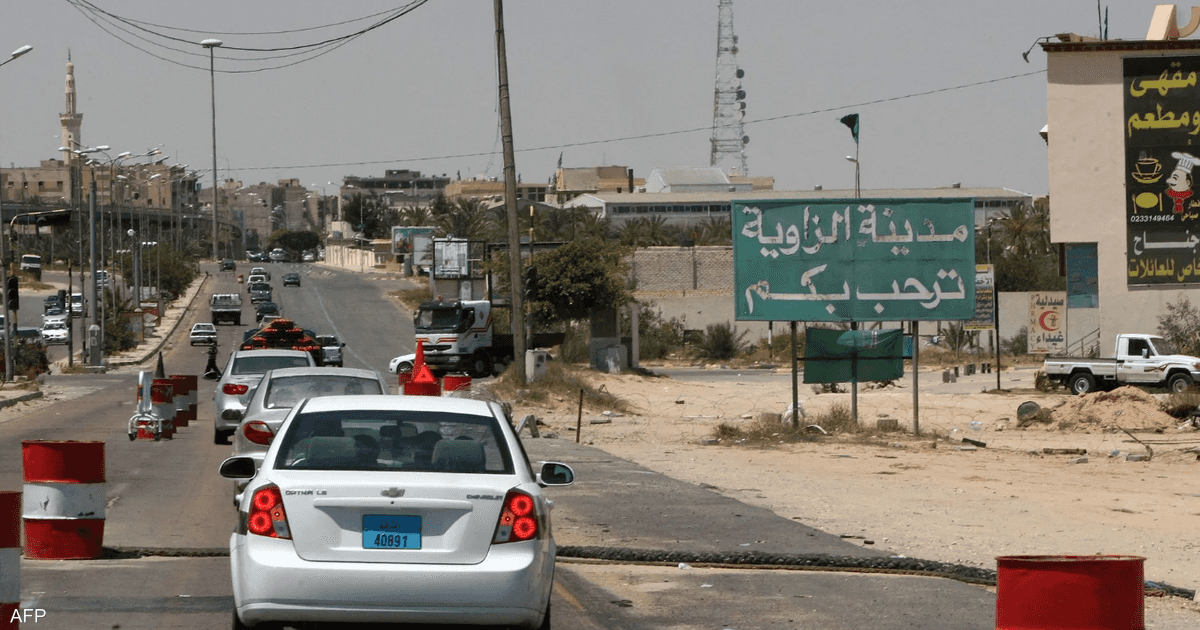
The Zawiya Oil Refining Company confirmed that a drone strike hit a storage tank containing untreated naphtha at its facility early Saturday, triggering a security alert and emergency containment measures at one of Libya’s most critical energy installations. The incident, which occurred in the early morning hours, resulted in a leak that personnel worked throughout the day to neutralize.
Located on the Mediterranean coast west of Tripoli, the Zawiya refinery serves as a vital artery for the Libyan economy, processing crude oil for domestic consumption and export. Any disruption to its operational capacity poses a significant risk to the nation’s fuel supply chain and broader economic stability, both of which remain fragile due to years of intermittent conflict and political instability.
While the company has indicated that the situation is under control, the targeted nature of the strike raises alarms regarding the security of Libya’s energy infrastructure. The facility has historically been a focal point for various armed factions competing for control over oil production and transit assets. Such attacks highlight the persistent vulnerability of the country’s oil sector to acts of sabotage and local kinetic warfare, which continue to undermine international efforts to stabilize the Libyan energy market.
Energy analysts have long warned that the politicization and militarization of Libya’s oil industry represent the greatest obstacle to the country’s long-term recovery. The Zawiya site, in particular, is frequently caught in the crossfire of shifting local alliances and security vacuums that persist in Western Libya. The refinery’s ability to maintain a consistent output is essential not only for preventing local fuel shortages but also for sustaining the revenues that underpin the Libyan state budget.
Following the strike, local authorities and site management have been assessing the extent of the damage to the storage infrastructure. While initial reports suggest the situation has been contained, the incident is expected to draw renewed scrutiny from international observers monitoring Libya’s security trajectory. As the country navigates a complex political landscape, the protection of critical infrastructure remains a primary concern for the National Oil Corporation (NOC), which has frequently called for the neutralization of oil facilities from military disputes.
No group has immediately claimed responsibility for the drone strike, and investigations are reportedly underway to determine the origin of the device. The incident serves as a stark reminder of the volatile environment in which Libya’s energy sector operates and the ongoing challenges in securing key infrastructure against non-state actors and localized military actions.