

Rome Talks Between Lebanon and Israel Stall Amid Ongoing Hostilities

Diplomatic efforts to de-escalate tensions between Lebanon and Israel have hit a significant impasse following the conclusion of three days of high-level negotiations in Rome. The meetings, aimed at establishing a framework for stability, ended without achieving a breakthrough, leaving the prospect of a diplomatic resolution increasingly fragile.
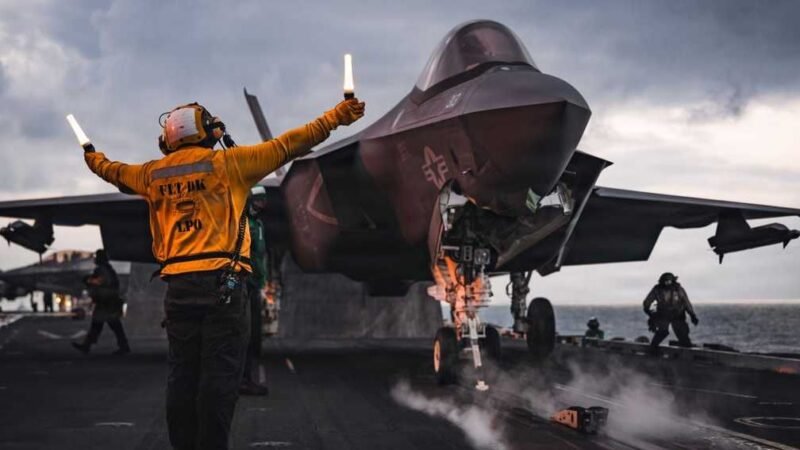
The failure to reach a concrete agreement in Italy reflects the deep-seated complexities defining the current conflict. Even as delegations engaged in discussions, the situation on the ground remained volatile. Israel continued its military operations in southern Lebanon, maintaining a pressure campaign that observers suggest is intended to strengthen its leverage at the negotiating table. Conversely, the lack of progress in Rome highlights the difficulty of reconciling divergent political calculations from both sides.
At the heart of the deadlock is a fundamental clash of priorities. For Lebanon, the focus remains on securing an end to Israeli military incursions and protecting its national sovereignty, while simultaneously navigating intense internal political pressure. Israel, meanwhile, maintains that its primary objective is the restoration of security along its northern border and the containment of regional threats, which it views as an existential necessity.
The concurrent nature of the Rome talks and the intensification of hostilities in the south underscores the challenges of what analysts call ‘coercive diplomacy.’ By maintaining an active military front while engaging in talks, Israel is operating under the assumption that battlefield gains can dictate the terms of political compromise. However, this strategy has, thus far, hindered the necessary trust-building measures required to finalize a lasting ceasefire or a sustainable security arrangement.
The international community remains concerned that the lack of momentum in these negotiations could lead to a wider regional escalation. The border between Lebanon and Israel has witnessed a sustained cycle of violence for months, causing significant humanitarian strain and displacement in border communities on both sides. The Rome meetings were viewed as a critical opportunity to break this cycle, but the current impasse suggests that a resolution is not yet in sight.
As the diplomatic track remains stalled, the conflict continues to be governed by the uneasy interplay between military maneuvers and the rigid political stances of the involved parties. Without a shift in approach or a third-party intervention capable of bridging the gap between these entrenched positions, the situation is likely to remain in a state of precarious instability. The focus will now shift to whether back-channel communications can salvage the progress sought in Rome or if the region is bracing for a further intensification of the conflict.