

Trump Vows Supreme Court Appeal Over Blocked White House Construction
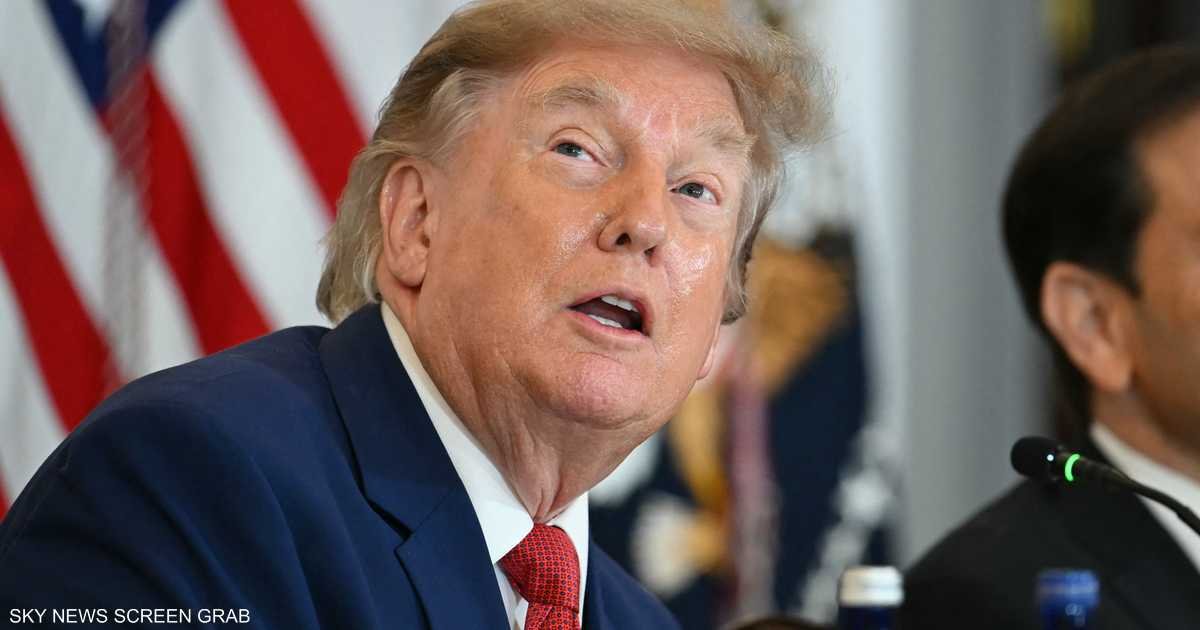
Former President Donald Trump has harshly criticized a federal appellate court’s decision to halt construction on a planned renovation project at the White House, labeling the judicial intervention a “national disgrace.” The ruling effectively suspends building operations at the executive residence, prompting the former president to announce his intention to challenge the decision before the Supreme Court.
The project, which centered on the development of a state-of-the-art events hall on the White House grounds, has become a flashpoint for legal and administrative scrutiny. Supporters of the initiative have long argued that the upgrade is essential for modernizing the historical site to accommodate formal international diplomatic functions and high-level state events. Critics, however, have raised concerns regarding the preservation of the architectural integrity of the federal landmark, as well as the methods utilized to secure funding and regulatory approval for the massive construction undertaking.
Legal experts suggest that the appellate court’s decision relies on strict interpretations of federal property management laws and preservation statutes. By ordering an immediate cessation of work, the court has introduced a significant layer of uncertainty for the future of the project. For the Trump camp, the legal setback represents not only a logistical hurdle but also a challenge to executive prerogative, leading to the pledge to escalate the dispute to the highest court in the United States.
The implications of the legal battle extend beyond domestic administrative policy, particularly in the context of the diplomatic community. The White House serves as the primary venue for hosting international dignitaries, state leaders, and negotiators, many of whom represent nations from across the Middle East and North Africa. Modernizing the venue has historically been viewed as a strategy to enhance the United States’ capacity to facilitate critical summitry, particularly in relation to ongoing regional peace processes, energy agreements, and security dialogues.
While the project is inherently domestic, the quality and functionality of the White House as a diplomatic theater directly influence how foreign relations are conducted on American soil. Any prolonged delay in the construction could impact the scheduling of high-profile visits and the logistical capacity of the administration to host complex multilateral negotiations in the future. As the legal tug-of-war proceeds toward the Supreme Court, the administrative capacity of the executive branch to alter its own headquarters remains a central, and highly contentious, issue of federal governance.
With the appellate court’s ruling now standing as an obstacle, the focus shifts to whether the Supreme Court will agree to hear the appeal. Should the judiciary maintain the current injunction, the future of the construction project remains in doubt, potentially forcing a significant redesign or a complete abandonment of the planned event space. The administration’s aggressive posture signals that the dispute is likely to continue dominating headlines, highlighting the friction between historical preservation mandates and the evolving needs of the executive office.