


Turkey Tightens Black Sea Shipping Restrictions Amid Rising Security Risks
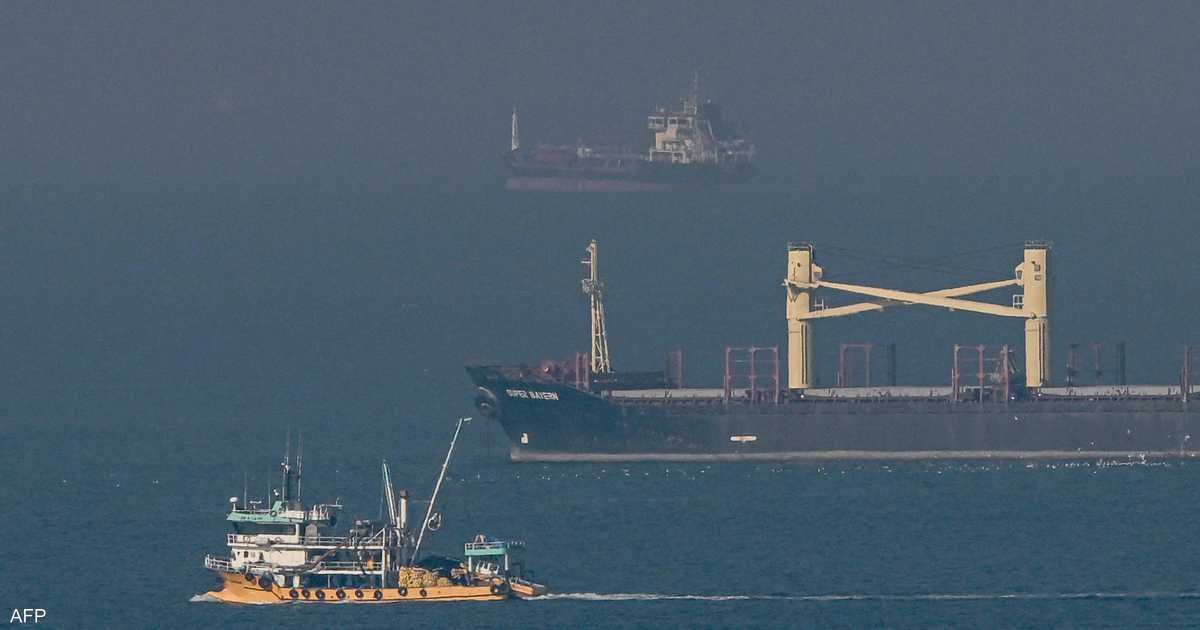
Ankara has moved to impose stricter controls on commercial maritime traffic entering the Black Sea, citing heightened security risks and the volatility of the ongoing regional conflict. The decision marks a significant shift in Turkey’s management of its vital maritime corridors, reflecting growing concerns over the stability of regional trade routes.
Under the Montreux Convention, Turkey holds the mandate to regulate the passage of vessels through the Bosphorus and Dardanelles straits. While these regulations have historically been used to maintain a delicate balance of power between Black Sea littoral states, the latest measure is specifically targeted at mitigating threats posed by the escalation of hostilities in the area. The influx of maritime risks—ranging from drifting sea mines to the potential for direct military interference—has forced Turkish maritime authorities to adopt a more rigorous screening and navigation protocol.
For Turkey, the stability of the Black Sea is not merely a matter of international maritime law but a critical component of its national security and economic strategy. The Turkish economy relies heavily on the uninterrupted flow of goods through its straits, which serve as a global conduit for energy and agricultural commodities. Any disruption to this transit impacts Turkey’s domestic supply chains, inflation, and its broader geopolitical standing as the primary guardian of these essential waterways.
The implementation of these restrictions reflects a strategic pivot. By asserting greater control over vessel movement, Ankara aims to de-escalate the risk of an accidental confrontation within its sphere of influence while simultaneously insulating its territorial waters from the peripheral impacts of the conflict. This move follows a period of mounting pressure on Turkey to demonstrate a more proactive security posture as incidents in the Black Sea threaten to expand beyond the immediate theater of combat.
Regional experts view the move as a defensive necessity. The intensification of attacks has transformed the Black Sea into a high-risk zone for commercial shipping, with insurance premiums for vessels operating in the region seeing a marked increase. By tightening these restrictions, Turkey is essentially creating a buffer that requires commercial operators to adhere to stricter safety and vetting processes before being granted transit permission.
As the situation remains fluid, Ankara continues to navigate the complex diplomatic waters of its role as a regional power broker. The move is expected to cause temporary disruptions to shipping schedules; however, Turkish authorities maintain that these precautionary measures are essential to ensuring long-term maritime security and preventing a catastrophic incident within the straits. The decision underscores the high stakes for Turkey, which remains uniquely positioned to influence the regional strategic landscape through its control over the primary gateways between the Black Sea and the Mediterranean.