

US Senate Moves Toward New Sanctions Against Russia
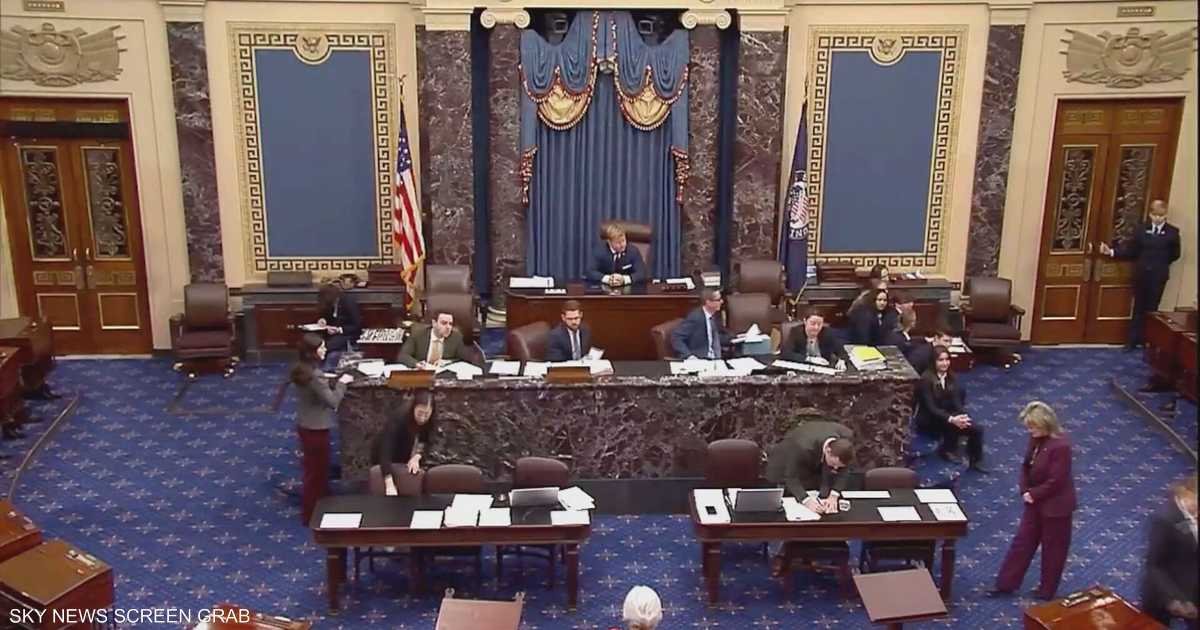
The United States Senate has moved closer to implementing a stringent new sanctions regime against Russia, securing a landslide bipartisan vote in favor of a comprehensive legislative package. The move, which marks a significant escalation in tensions between Washington and Moscow, establishes a clear path for the bill to be presented to the House of Representatives for final deliberation in the coming weeks.
This legislative development is of critical importance to the strategic architecture of the Middle East. As Russia remains a pivotal player in regional security dynamics—most notably through its military presence in Syria and its complex security and energy partnerships with nations such as Iran, Turkey, and Saudi Arabia—any major shift in US-Russia relations invariably carries weight across the Arab world.
For regional actors, the strengthening of American sanctions serves as a litmus test for how the United States intends to manage global power competition in an era where Middle Eastern states are increasingly seeking to balance their diplomatic and economic ties between East and West. The potential for the new sanctions to disrupt regional energy markets or influence ongoing diplomatic efforts in conflict zones remains a primary concern for observers in the region.
The legislative effort, which enjoyed robust cross-party support, underscores a long-standing commitment within the US legislature to curtail Russian influence. While the bill’s primary focus is to penalize Moscow for its alleged interference in democratic processes and aggressive regional posturing, the ripple effects are expected to reach the halls of power in capitals across the Middle East. Policymakers in the region are now closely monitoring the transition of the bill to the House, as the final language of the legislation could dictate the extent of secondary sanctions that might affect international firms and state entities currently engaged in commercial or military cooperation with Russian counterparts.
Strategically, the move forces regional leaders to navigate a more fragmented international landscape. Countries that have traditionally maintained “strategic autonomy” by engaging with both Washington and Moscow may find their room for maneuver narrowed as the United States intensifies its economic pressure campaign. The developments in the Senate suggest that for the United States, Russia’s global activities are now viewed through an increasingly unified lens of national security, which leaves little room for regional partners to remain neutral in the long term.
As the legislation proceeds to the next stage of the US political process, the diplomatic fallout will be watched carefully in Tehran, Ankara, and Riyadh. For these capitals, the tightening of the net around the Russian economy is not merely a bilateral issue between two superpowers, but a development that could fundamentally alter the trade, defense, and energy landscape of the entire Middle East and North Africa.