

US Skeptical of Iranian Assurances Regarding Strait of Hormuz Transit
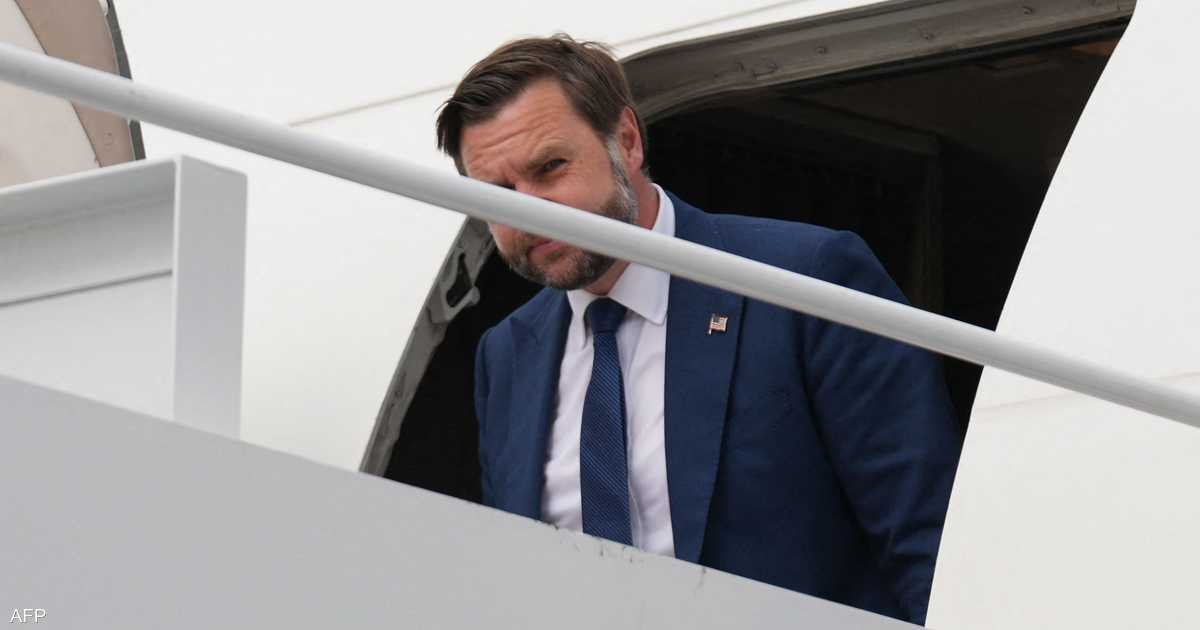
The United States remains cautious regarding Tehran’s latest assurances concerning the stability of energy transit through the Strait of Hormuz, a critical maritime chokepoint for global oil and gas supplies. Vice President JD Vance recently indicated that while Iran has signaled a willingness to ensure the unhindered flow of energy resources through the waterway, Washington maintains a policy of extreme skepticism toward these commitments.
The Strait of Hormuz, located between Oman and Iran, serves as the world’s most important oil transit artery. Roughly one-fifth of the world’s total oil consumption passes through this narrow passage daily, making it a primary focus of international energy security policy. Previous periods of heightened tension between the United States and Iran have frequently seen Tehran threaten to disrupt or close the strait in retaliation for economic sanctions or diplomatic friction, leading to significant global market volatility.
While diplomatic channels have reportedly facilitated recent communications regarding the operational status of the strait, the current U.S. administration has signaled that these verbal commitments are insufficient. Vice President Vance emphasized that Washington is not prepared to accept Iranian promises at face value. Instead, the U.S. government intends to adopt a ‘trust but verify’ approach, prioritizing tangible evidence of non-interference over political declarations. This stance reflects a broader U.S. strategy of demanding concrete behavioral changes from Tehran rather than relying on diplomatic assurances that have historically proven fragile.
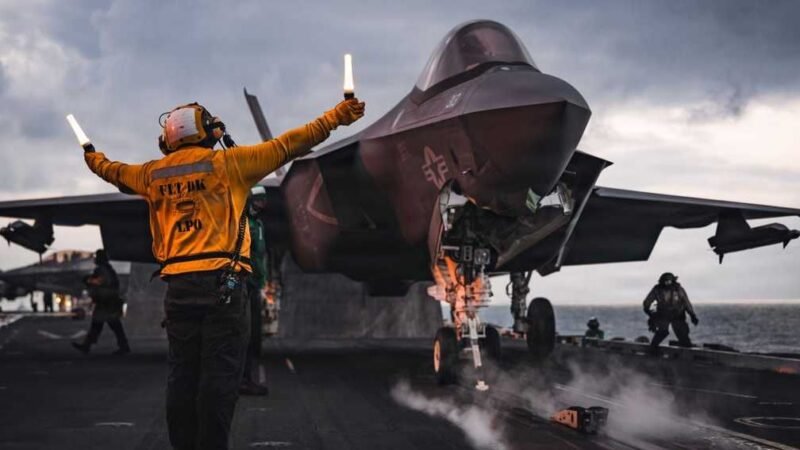
Energy analysts suggest that the heightened scrutiny is a direct response to the strategic importance of the route. Even minor disruptions or signals of intent to block traffic can cause immediate spikes in global energy prices, affecting economies far beyond the Middle East. For the United States, maintaining a credible deterrent posture remains a core pillar of its regional policy, ensuring that the critical maritime corridor remains open to international commercial vessels.
Moving forward, the international community will be closely watching for any discrepancy between Tehran’s stated policy of cooperation and the physical reality on the ground. The U.S. position underscores that the stabilization of regional energy routes is contingent not just on diplomatic rhetoric, but on sustained, verifiable adherence to international maritime and commercial norms. Washington continues to coordinate with regional partners and allies to monitor the situation, signaling that any move to impede transit will be met with a decisive and coordinated international response.