

US Treasury Secretary Signals Potential Deal to Reopen Strait of Hormuz
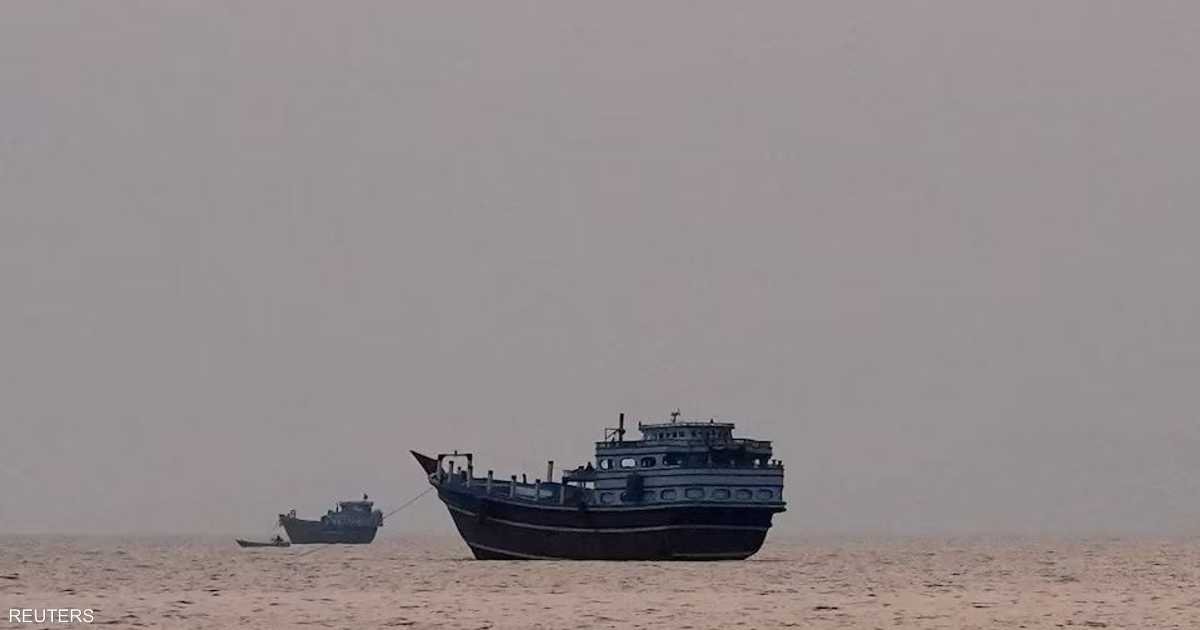
United States Treasury Secretary Scott Bessent has signaled a potential diplomatic breakthrough regarding the ongoing tensions in the Persian Gulf, suggesting that a deal to reopen the Strait of Hormuz could be reached as early as this week. The proposed agreement, which reportedly includes a temporary ceasefire with Iran lasting between 30 and 60 days, aims to stabilize one of the world’s most critical maritime corridors.
The Strait of Hormuz, located between Oman and Iran, serves as the primary artery for global energy markets, with a significant percentage of the world’s daily oil consumption passing through its narrow waters. Any disruption to this transit point carries profound implications for global energy security, oil pricing, and the economic stability of Gulf Cooperation Council (GCC) states. By linking a ceasefire agreement directly to the normalization of shipping through the strait, the administration appears to be prioritizing the restoration of global trade flows amidst heightened regional volatility.
For months, the region has grappled with increased maritime security challenges, prompting international concern over the potential for an expanded conflict. The proposed 30-to-60-day window for a ceasefire is viewed by regional analysts as a “cooling-off” period, intended to provide the necessary space for more substantive diplomatic negotiations. Should a deal materialize within the next 48 hours, it would represent a significant shift in U.S.-Iran relations and could provide a much-needed respite for the maritime industry, which has faced mounting insurance premiums and security risks.
The potential agreement underscores the complex interplay between U.S. foreign policy and the security architecture of the Middle East. With the administration actively pushing for this resolution, the focus remains on whether Tehran will agree to the terms governing the maritime transit of vessels. While the specifics of the ceasefire framework remain under wraps, the mere prospect of an imminent deal has been met with cautious optimism by energy markets sensitive to regional instability.
If successful, the reopening of the Strait of Hormuz would alleviate immediate fears of a supply-side energy crisis. However, the long-term effectiveness of such a deal will depend on the ability of regional actors to maintain compliance with the terms of the ceasefire. As diplomatic discussions continue, stakeholders across the Middle East, particularly those reliant on the secure passage of hydrocarbons through the Gulf, will be watching closely for official confirmation of the agreement.
The move highlights the U.S. government’s recognition that persistent maritime instability in the region is fundamentally incompatible with global economic interests. By focusing on the tangible outcome of clearing the strait, Washington is attempting to bridge a difficult divide with Tehran, balancing the need for firm deterrence with the requirements of regional de-escalation.