


Health Experts Warn of Hidden Risks Swimming After Rainfall
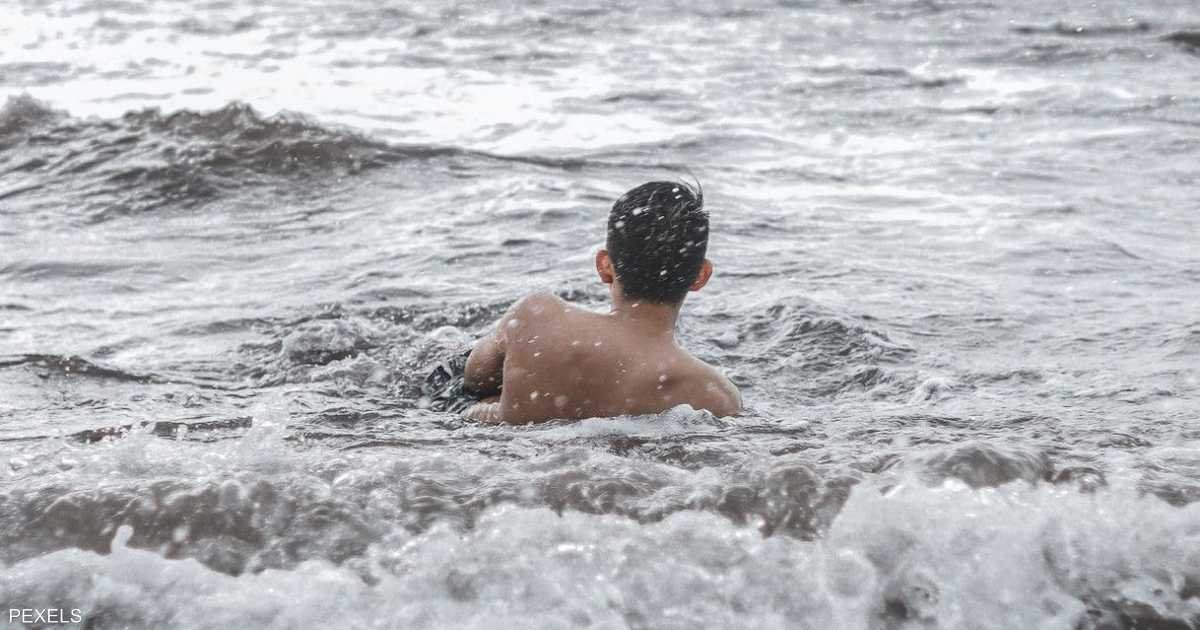
Swimming during or immediately following rainfall is a popular recreational activity for many, often perceived as a refreshing way to enjoy a change in weather. However, environmental and health experts are issuing urgent warnings regarding the hidden dangers associated with this practice, noting that the risks can be severe and potentially life-threatening.
The core of the concern lies in the quality of water following precipitation events. When rain falls, particularly after a period of dry weather, it acts as a mechanism for washing pollutants off the surface of the land. Runoff water collects a variety of hazardous substances as it flows into urban drainage systems, rivers, lakes, and eventually coastal waters.
Among the primary contaminants found in storm-water runoff are high concentrations of bacteria, viruses, and parasites. These pathogens originate from various sources, including animal waste, failing septic systems, and urban debris. Once these pollutants are washed into swimming areas, they significantly increase the likelihood of waterborne illnesses. For swimmers, this exposure can lead to severe gastrointestinal distress, skin infections, respiratory issues, and ear or eye inflammations. Children, the elderly, and those with compromised immune systems are particularly susceptible to these health hazards.
Beyond biological contaminants, rainfall events often result in the accumulation of chemical pollutants. Oil, grease, pesticides, herbicides, and heavy metals—commonly found on roadways and in industrial runoff—are carried into the water. Exposure to these toxins, even at low levels, can pose long-term health risks.
Furthermore, the physical dynamics of a water body can change drastically after heavy rain. Increased currents and turbulence in rivers and coastal areas, coupled with reduced visibility, can make swimming far more hazardous than under clear weather conditions. The presence of debris hidden beneath the surface, such as branches, trash, or construction materials, creates a significant risk of physical injury. In many instances, the combination of altered water chemistry and unpredictable water flow creates an environment that is unsuitable for recreational use.
Public health officials and environmental agencies consistently advise that the public wait a minimum of 24 to 48 hours after a significant rain event before entering natural water bodies. This waiting period allows for the dilution of pollutants and for the natural processes of the ecosystem to mitigate the most immediate threats posed by the influx of surface runoff.
As the region continues to experience fluctuations in seasonal weather patterns, public awareness regarding these risks is essential. Citizens are urged to monitor local water quality reports and adhere to official advisories posted at beaches and public swimming sites. Prioritizing safety by avoiding water contact after storms is a critical measure in preventing avoidable health complications and ensuring a safe recreational experience for the community.