

Iraq Faces Critical Test Over State Monopoly on Arms
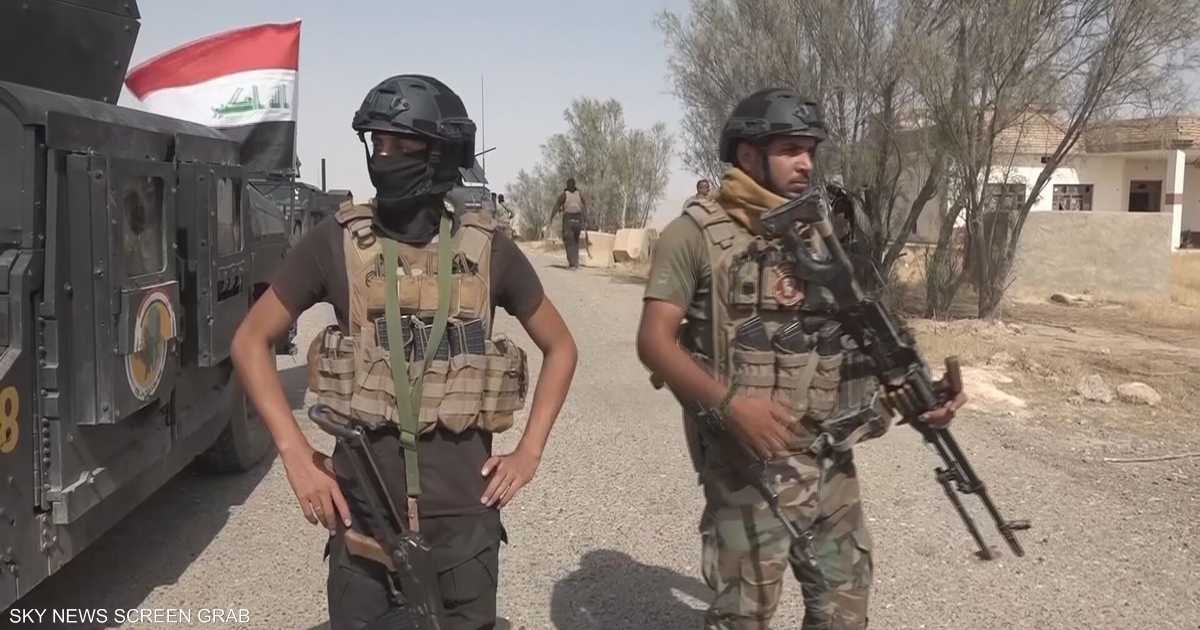
The Iraqi government is currently navigating one of its most complex internal challenges as it moves to assert the state’s exclusive authority over the possession and use of weapons. Baghdad has explicitly identified the consolidation of arms under the direct control of the national government as a primary security objective, setting a clear, albeit ambitious, timeline for the transition.
In a recent statement clarifying its strategic roadmap, the Iraqi government designated the end of September as the terminal date for the existing justifications that have allowed various armed factions to operate outside the formal military and security apparatus. This move is part of a broader, high-stakes initiative to reform the nation’s security architecture, which has long been fragmented by the presence of diverse armed groups operating with varying degrees of autonomy.
The push to reassert state sovereignty over military assets is seen as a defining test for the current administration in Baghdad. The government asserts that the management of national security—and the tools required to maintain it—is a file that falls solely within the purview of the state. By attempting to mandate the integration or dissolution of these armed entities, the government is aiming to strengthen the central command structure, enhance domestic stability, and streamline national security policy.
The proliferation of non-state actors has historically posed significant complications for Iraq’s political landscape and international relations. For years, the intersection of informal military organizations and formal politics has been a subject of intense debate among Iraqi officials and regional observers. Proponents of the government’s new timeline argue that a unified security force is an essential prerequisite for economic development and the restoration of public trust in state institutions.
However, the roadmap is not without substantial hurdles. The integration process requires delicate navigation to avoid triggering political or security friction with groups that maintain significant grassroots influence and complex histories within the country’s post-2003 security landscape. The government is essentially attempting to restructure the balance of power, a task that carries inherent risks of instability.
As the September deadline approaches, the focus in Baghdad remains on the implementation of these directives. Analysts are closely watching to see how the government manages the transition and whether it can successfully bring all armed groups under the umbrella of official, state-sanctioned security structures. The success of this policy is viewed as a pivotal milestone that could significantly impact the future of Iraq’s internal governance and its long-term stability. The administration’s ability to enforce these measures will determine its effectiveness in establishing a singular, coherent authority capable of securing the nation’s borders and maintaining domestic order.