

Iraq Reaches Deal to Consolidate Factional Arms Under Hashd al-Shaabi
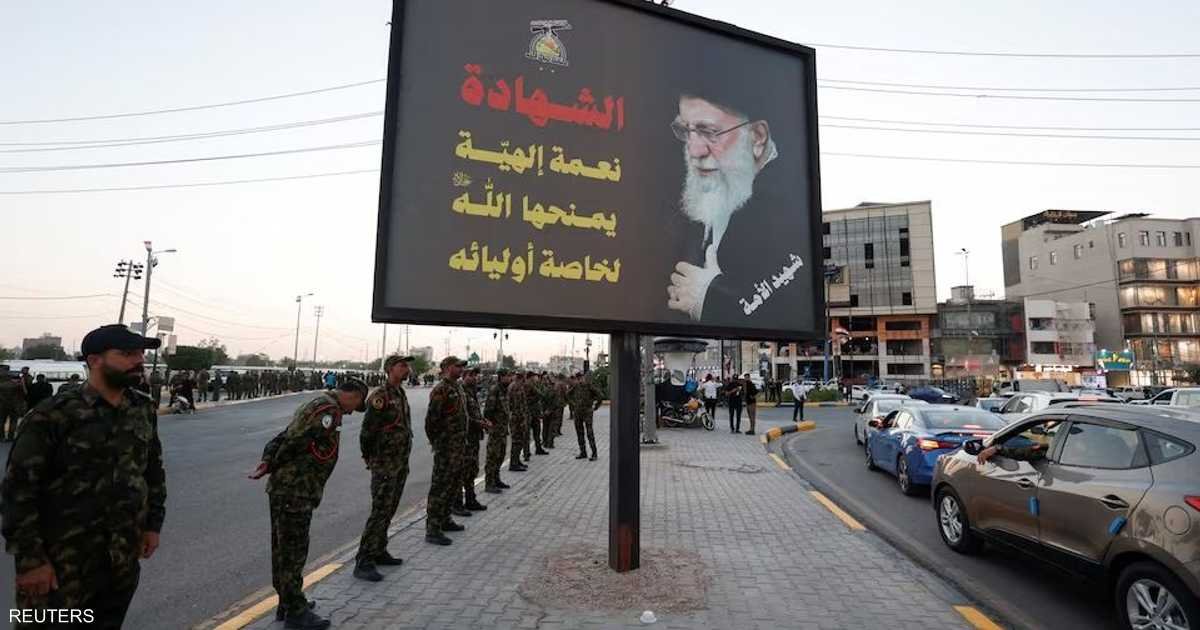
A high-level political agreement has been reached within the Iraqi political landscape to centralize the control of arms currently held by various armed factions. According to a source within the Coordination Framework, the deal requires these groups to hand over their weapons to the Popular Mobilization Forces (PMF), commonly known as the Hashd al-Shaabi, before the end of a government-imposed deadline on September 30.
The initiative serves as a pivotal move by the Iraqi state to exert greater authority over the proliferation of arms outside of official military structures. By designating the Hashd al-Shaabi as the sole official entity responsible for the collection, registry, and secure storage of these weapons, the government aims to consolidate security oversight. The move reflects ongoing efforts by the current administration in Baghdad to regulate the activities of diverse armed groups that have operated with varying degrees of autonomy across the country.
The deadline of September 30 represents a significant milestone in the government’s strategy to address the internal security challenges posed by unmonitored weaponry. Under the terms of the agreement, the PMF will function as the primary state authority tasked with ensuring that all surrendered armaments are properly accounted for and stored in secure facilities managed under its institutional framework. This transition is intended to bring a higher level of discipline and state accountability to the security sector, a long-standing objective for federal authorities aiming to stabilize the national security environment.
The Coordination Framework, which holds significant influence over the current political trajectory in Iraq, has been central to negotiating these terms. The inclusion of the PMF in this process is significant, as the organization occupies a unique position in the Iraqi security architecture, bridging the gap between state institutions and various volunteer-based factions that rose to prominence during previous security crises. By formalizing this collection process, the government seeks to mitigate the risks associated with the unauthorized possession of heavy and light weaponry, which has historically been a point of contention and instability.
While the agreement marks a formal commitment to centralizing military hardware, the focus remains on the implementation phase leading up to the September 30 cutoff. The success of this policy will depend on the cooperation of the various factions currently holding the equipment and the administrative capacity of the Hashd al-Shaabi to manage the influx of arms. Government officials have emphasized that this initiative is part of a broader, phased approach to strengthening the rule of law and enhancing the central government’s control over national security assets. As the deadline approaches, regional observers will be watching to see if the state can successfully integrate these disparate assets, further delineating the boundary between political influence and the state’s monopoly on legitimate force.