

Mohsen Rezaee Appointed to Iran’s Supreme National Security Council
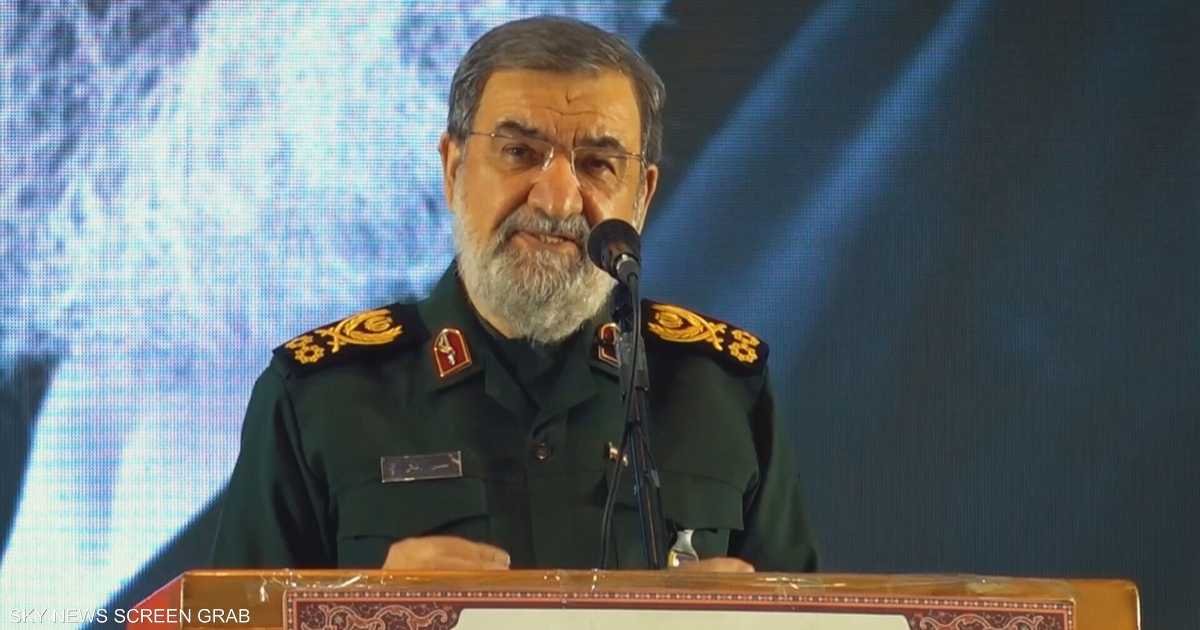
In a significant reorganization of Iran’s security apparatus, Mohsen Rezaee, the former long-time commander of the Islamic Revolutionary Guard Corps (IRGC), has been appointed as the new secretary of the Supreme National Security Council. This high-profile appointment places one of Iran’s most veteran military and political figures at the helm of the country’s central policy-making body regarding national security and foreign affairs.
Alongside his role as the council’s secretary, Rezaee has also been designated as a representative for Mojtaba Khamenei, who holds a pivotal position within the office of the Supreme Leader of Iran. This dual appointment signifies a strategic shift in the management of Iran’s internal and external security challenges, consolidating the influence of the IRGC establishment within the highest echelons of the state’s decision-making structure.
Rezaee brings decades of experience to the council, having served as the commander-in-chief of the Islamic Revolutionary Guard Corps for sixteen years, including throughout the duration of the Iran-Iraq War. Following his military tenure, he transitioned into a long career in domestic politics, serving in various capacities that focused on national security, economic planning, and regional strategic policy. His appointment is expected to bolster the role of the Supreme National Security Council in coordinating the response to evolving regional dynamics and internal security considerations.
The Supreme National Security Council serves as the primary body for formulating and overseeing Iran’s strategic national security policies, encompassing foreign policy, defense, and intelligence operations. The inclusion of an individual with Rezaee’s deep military background suggests that the council may adopt a more assertive approach in managing its regional security mandate. His close alignment with the Supreme Leader’s office ensures that these policies will be directly integrated with the broader objectives of the state leadership.
This development comes at a time when Iran is navigating a complex regional landscape, characterized by heightened tensions and shifting diplomatic alliances across the Middle East. By positioning a seasoned former military leader as the administrative head of the council, the Iranian leadership appears to be prioritizing stability and institutional continuity within its security architecture. The appointment of a representative of the Supreme Leader’s office to this specific role further emphasizes the central oversight exercised by the leadership over the nation’s security and foreign policy trajectories.
As the council assumes its new leadership configuration, observers will be closely monitoring how these changes manifest in Iran’s diplomatic engagement and security postures in the coming months. The integration of Rezaee into the heart of the security council is a clear signal of the importance the current administration places on firm, centralized control over the state’s strategic interests.