

Muslim Brotherhood Allegations Surface in Michigan Senate Race
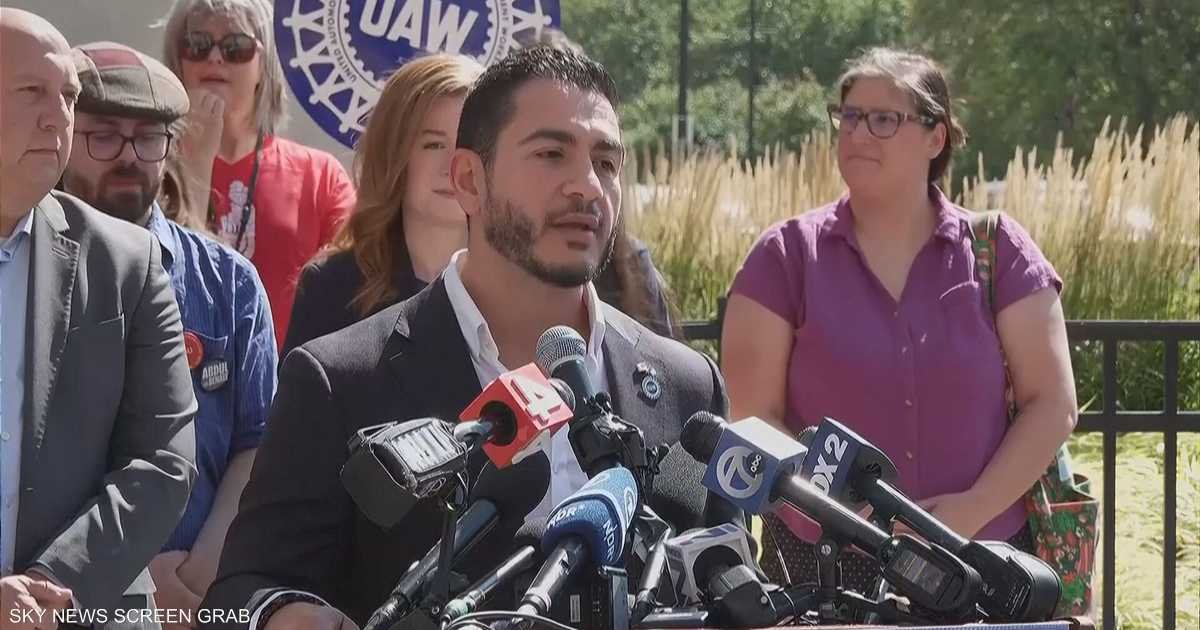
The U.S. Senate race in Michigan has taken a contentious turn as allegations regarding the Muslim Brotherhood have become a focal point of the campaign trail. Republican candidate Mike Rogers has begun incorporating claims, originally raised by Senator Ted Cruz, into his political strategy. These claims center on alleged links between the circle surrounding Democratic candidate Abdul Rahman Syed and organizations associated with the Muslim Brotherhood.
The controversy emerged following statements by Senator Cruz, which sought to draw connections between individuals in Syed’s professional network and the regional Islamist group. The integration of these allegations into the broader campaign rhetoric marks a shift in the Michigan contest, as the Republican camp seeks to leverage these reported associations to challenge the Democratic nominee’s credibility among voters.
Abdul Rahman Syed has categorically denied the allegations, framing the discourse as a targeted effort to undermine his candidacy. He contends that the focus on these supposed links is intended to marginalize his Muslim identity rather than engage with the substantive policy issues presented in his platform. According to Syed, the deployment of such accusations is a calculated maneuver by his political opponents to deflect attention away from his proposed legislative agenda and the actual issues facing the voters of Michigan.
The debate highlights the increasing role that international geopolitical perceptions and associations play in domestic American electoral politics. By invoking the Muslim Brotherhood, a movement with a complex and often controversial history in the Middle East, the campaign has introduced regional ideological debates into a local legislative race. While the accusations focus on the nature of Syed’s political associations, the response from the Democratic candidate underscores the sensitivity surrounding religious representation and the framing of political discourse in the current U.S. electoral climate.
As the Senate race continues, the dispute serves as an example of how accusations originating from foreign policy and regional ideological tensions are increasingly being utilized as tools of domestic political friction. The campaign environment in Michigan remains charged, with both candidates attempting to define the narratives that will influence voters in the upcoming election. For now, the focus on these allegations remains a point of significant contention, overshadowing other aspects of the policy debate as both sides navigate the political repercussions of the ongoing controversy.