

Netanyahu Rejects 15-Point Gaza Plan Amid Political Uncertainty
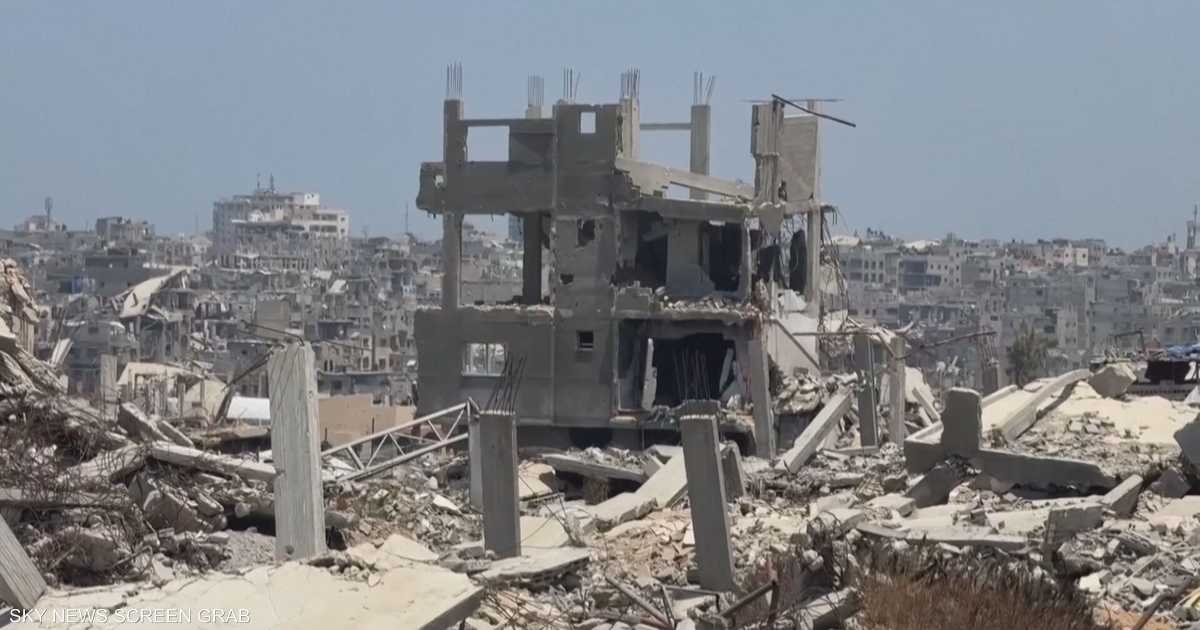
Israeli Prime Minister Benjamin Netanyahu has officially rejected a 15-point proposal aimed at ending the ongoing war in the Gaza Strip. This development signals a significant rupture in the diplomatic efforts to secure a ceasefire and effectively puts an end to weeks of optimism expressed by various international stakeholders.
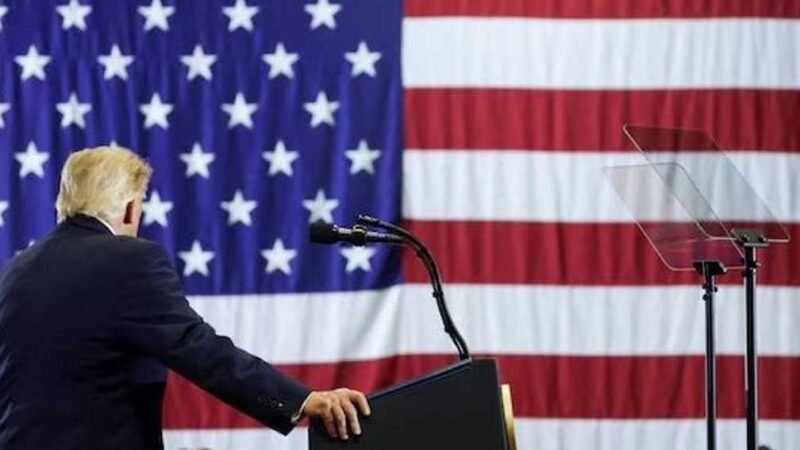
The rejection highlights the growing disparity between the Israeli government’s strategic objectives and the diplomatic path advocated by international mediators. The proposal, which had garnered attention as a potential roadmap for de-escalation, had previously been described by U.S. President Donald Trump as a potential “historic breakthrough.” However, the formal dismissal of the initiative by the Israeli premier underscores the depth of the political complexity surrounding the conflict.
Observers have noted that the situation reflects a profound level of ambiguity regarding Israel’s long-term exit strategy for the military campaign in Gaza. While international pressure for a negotiated settlement has intensified, the current political climate within Israel suggests a hardening of positions concerning the parameters of any potential agreement. The discrepancy between the high-level diplomatic expectations and the reality on the ground continues to be a central feature of the impasse.
The 15-point plan, which had been presented as a comprehensive framework, sought to address critical issues including hostage releases, the cessation of hostilities, and the future governance of the territory. The rejection now leaves these issues in a state of flux, with little indication of how the next phase of diplomatic engagement might be structured.
Political analysts pointed out that the move by the Israeli leadership serves as a clear indication that the government remains committed to its current security policies, despite the potential risks of diplomatic isolation. The rejection is expected to complicate further discussions between Israel and regional partners, as the search for a sustainable political solution to the humanitarian crisis in Gaza continues to face significant hurdles.
As the situation remains fluid, the international community is left to recalibrate its approach in the face of a hardened stance from Jerusalem. The disconnect between the desire for a “historic” deal and the stark political realities on the ground remains the primary obstacle to achieving a lasting end to the hostilities. The focus now turns to whether any alternative proposals can emerge that might be acceptable to the Israeli cabinet, or if the current deadlock will persist in the absence of a viable diplomatic pathway.