

Libya Faces Triple Crisis Amid Security Escalation and Economic Slump
Libya is currently navigating a period of intense instability as crises erupt simultaneously across its security and economic landscapes. The latest developments highlight the fragility of the nation’s political and institutional stability, impacting both its infrastructure and its volatile monetary system.
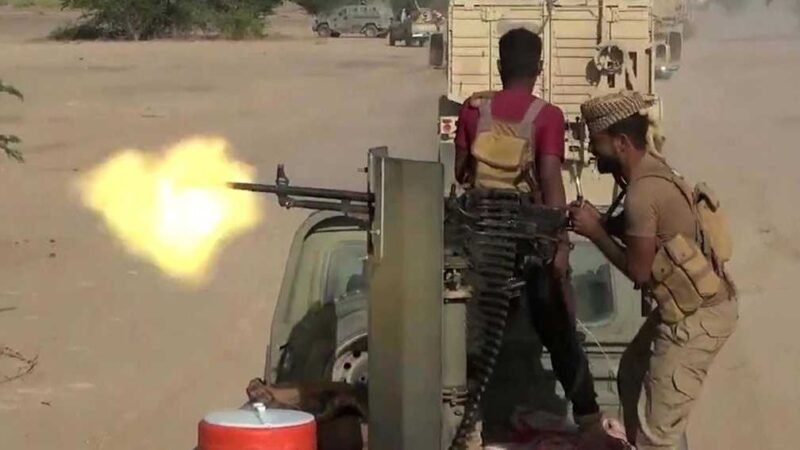
The security situation in the east of the country has deteriorated significantly following the assassination of the head of Military Intelligence in Benghazi. This targeted killing marks a sharp escalation in regional violence, underscoring the deep-seated challenges facing the security apparatus in maintaining order. The loss of a high-ranking official within the intelligence community is expected to have immediate repercussions on the command structure and local stability in the eastern region, where rival power bases remain highly sensitive to shifts in military leadership.
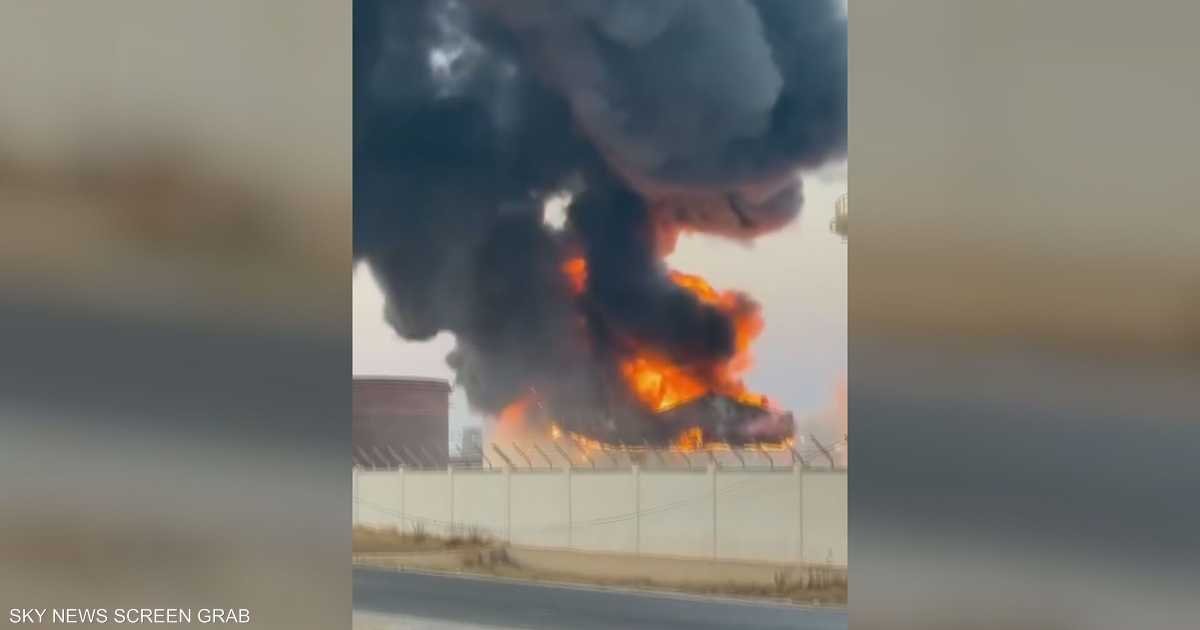
Simultaneously, the western region has been targeted by a series of drone strikes. These attacks have hit critical infrastructure in the city of Zawiya, a site of significant strategic importance due to its energy and logistical facilities. The use of unmanned aerial vehicles to strike vital installations suggests a sophisticated level of tactical coordination and an intent to disrupt essential services or economic operations. Such attacks not only degrade national infrastructure but also exacerbate the humanitarian situation by threatening the supply of energy and essential goods to the surrounding areas.
Beyond the security threats, the country is facing a mounting financial crisis. The sudden resignation of the Governor of the Central Bank of Libya has introduced significant uncertainty into the nation’s economic management. This departure occurs against the backdrop of a rapidly declining Libyan dinar, which has struggled to maintain its value in an environment of political paralysis and fiscal instability. The currency’s devaluation is compounding the economic hardship faced by ordinary citizens, who are already contending with high inflation and limited access to liquid assets.
The confluence of these events—a high-profile political assassination, strategic military strikes, and a leadership void at the central bank—presents a complex challenge for the Libyan state. The simultaneous nature of these developments reflects the ongoing struggle for power and control in a country that remains divided along regional and political lines. As authorities grapple with these mounting crises, the international community and domestic observers remain concerned about the potential for further fragmentation. The immediate focus remains on how the country will manage the sudden leadership change at the central bank while attempting to secure critical infrastructure and restore a sense of security in major population centers across both the eastern and western regions.