

Pakistan Sees Positive Signs for US-Iran Peace Arrangement
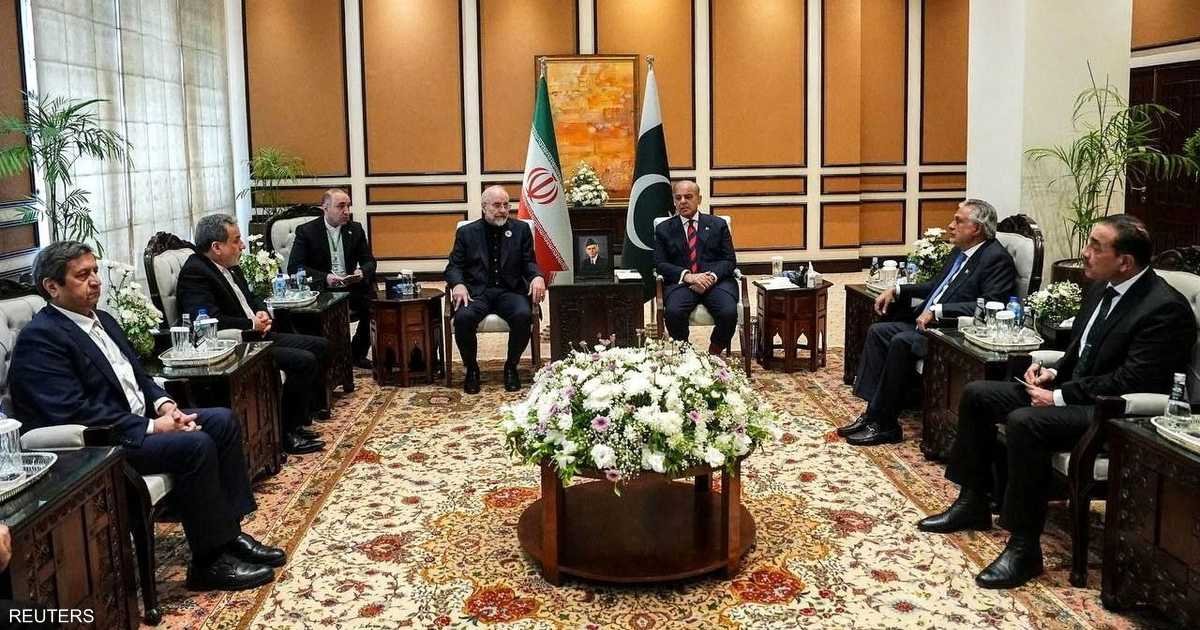
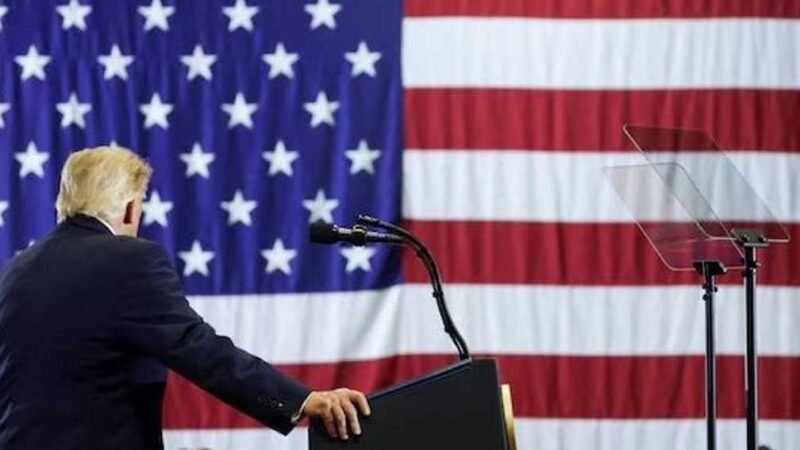
Pakistan’s Minister of Defense, Khawaja Muhammad Asif, indicated on Tuesday that there are emerging, positive signs that the United States and Iran may be moving toward a new diplomatic arrangement. While specific details of the potential shift remain undisclosed, the Minister suggested that the two nations are making progress toward reaching a form of understanding regarding peace.
Speaking on the significance of these developments, Minister Asif emphasized that achieving a durable and sustainable agreement between Washington and Tehran would be a welcome development for the entire Middle Eastern region. He suggested that such an outcome would serve the broader interests of regional stability, reflecting the geopolitical sensitivity that Middle Eastern security holds for neighboring powers like Pakistan.
Historically, Pakistan has maintained multifaceted diplomatic relations with both the United States and Iran. Given this positioning, Islamabad has frequently expressed interest in the de-escalation of tensions between the two powers. The Minister’s remarks highlight the ongoing scrutiny that global diplomatic maneuvers receive within the region, where any shift in US-Iran relations is viewed as a critical component of the broader Middle Eastern security architecture.
While the Minister did not elaborate on the specific mechanisms of the alleged ‘arrangement’ or provide a timeline for potential breakthroughs, his statement marks a notable recognition of the current state of back-channel or indirect diplomatic communication between the two adversaries. The potential for a formal or informal understanding is often viewed by regional observers as a necessary step toward mitigating long-standing regional security risks.
The statement comes at a time when the Middle East continues to navigate a complex landscape of security challenges. By framing the potential US-Iran alignment as an interest for the ‘entire region,’ the Pakistani government is underscoring the deep interdependency between international diplomatic outcomes and local stability. For countries across the region, the prospect of a de-escalation between Washington and Tehran remains a primary focus, as it influences the strategic calculations of multiple regional actors and organizations.
As of now, there has been no official confirmation from either the United States or the Iranian government regarding the specific nature of these reported developments. However, the comments from the Pakistani defense establishment serve as a reminder that the diplomatic trajectory between Washington and Tehran remains one of the most closely watched variables in regional politics, with stakeholders outside the immediate geography continuing to monitor these developments for signs of a potential shift in the regional balance of power.