

Fatal Collision in Ismailia Sparks Calls for Labor Transport Reform
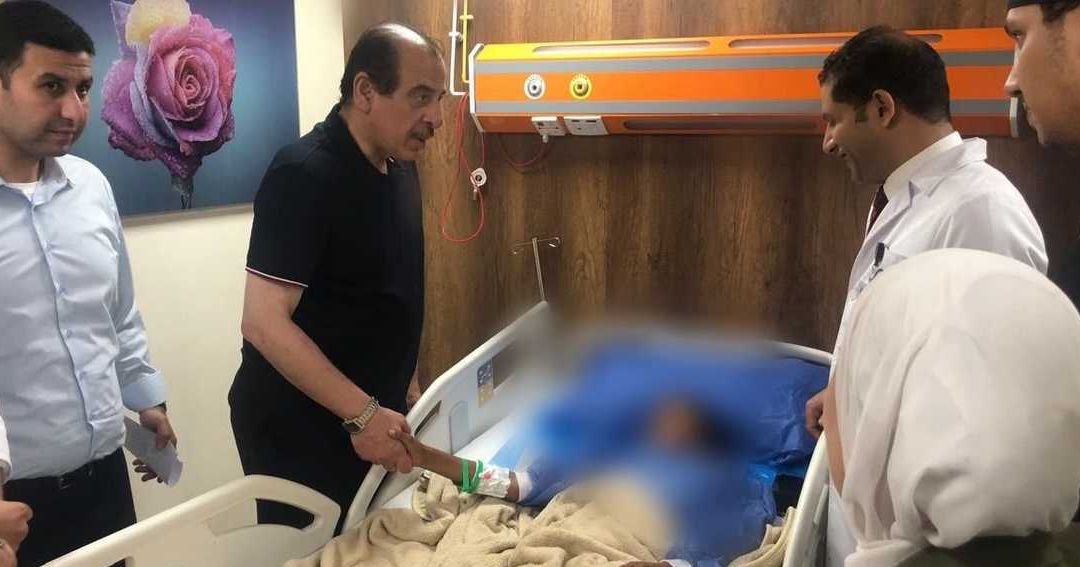
A deadly traffic accident in Egypt’s Ismailia Governorate, located in the country’s northeastern region, has thrust the precarious conditions surrounding the transport of manual laborers back into the national spotlight. The collision between two vehicles tasked with moving daily wage and informal workers has resulted in multiple casualties, prompting widespread demands for immediate regulatory intervention.
The incident has served as a grim catalyst for a broader discussion regarding the systemic lack of oversight for vehicles used to transport day laborers to and from work sites. Across Egypt, many informal workers rely on private, often unregulated, transport methods that frequently fail to meet basic safety and professional health standards. These workers, who constitute a significant portion of the manual labor force, are often vulnerable to such hazards due to the absence of institutionalized safety protocols.
In the wake of the tragedy, labor advocates and public safety experts have called for an urgent audit of transport practices within the agricultural and construction sectors, where the reliance on informal labor is most pronounced. The demands center on the strict enforcement of existing traffic laws and the implementation of specific occupational health and safety conditions for any vehicle used to ferry laborers. Critics of the current system argue that the “death vehicles”—a term coined by local media to describe the overloaded and unsafe trucks used for transit—are a preventable danger that the government must address through more rigorous inspections and higher safety standards.
The Ismailia incident is not an isolated event; it reflects a recurring issue regarding the safety of transport for the informal labor sector in Egypt. Local authorities are now facing mounting pressure to ensure that contractors and transport providers are held accountable for adhering to road safety and vehicle fitness requirements. The discourse now focuses on transitioning away from the current, largely unregulated model toward a standardized system that protects the rights and lives of daily workers.
While the investigation into the specific causes of the collision in Ismailia continues, the tragedy has galvanized a national movement seeking legal reform. Stakeholders are emphasizing that the safety of the workforce is a fundamental component of broader economic development goals. As the debate intensifies, the primary objective remains the prevention of future road fatalities through comprehensive legislative and administrative measures aimed at regulating the movement of workers across the governorate and the wider country.