

Lebanon Denies Agreement on Arms Verification Force
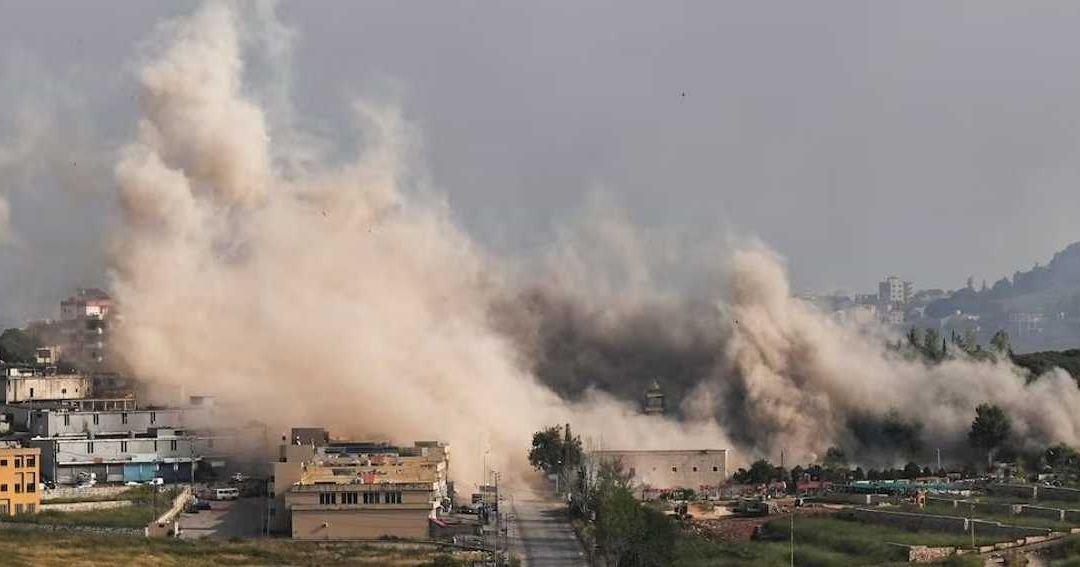
A senior Lebanese official on Thursday officially refuted claims suggesting that Beirut had reached a consensus with Israel concerning the composition of an international force intended to verify the disarmament of Hezbollah. The rebuttal follows media reports suggesting that a list of countries had already been finalized to oversee the security measures concerning the militant group’s presence.
Speaking on behalf of the Lebanese government, the official clarified that no such agreement has been established between Beirut and Tel Aviv. The statement underscored that Lebanon remains actively engaged in discussions regarding the future of the security situation in the south, but noted that the primary diplomatic channel for these deliberations remains Washington. The clarification serves to emphasize Lebanon’s diplomatic position, as the country navigates complex negotiations regarding the implementation of international security frameworks.
For months, the presence and operational capacity of Hezbollah in southern Lebanon have been central to regional diplomatic efforts. The question of how to monitor and verify any potential disarmament or withdrawal remains a point of significant contention and ongoing debate. The Lebanese government has consistently maintained that any arrangements involving external oversight or troop deployment must be handled through established international mediation efforts, rather than bilateral deals with Israeli counterparts.
The official’s comments highlight the sensitivity surrounding diplomatic progress regarding the border region. By distancing itself from claims of a coordinated list with Israel, the Lebanese leadership is seeking to maintain its autonomy in security negotiations. The emphasis on dialogue with the United States suggests that Lebanon is relying on Washington to serve as the primary conduit for any potential security assurances or troop monitoring mandates that might emerge during these tense negotiations.
While the situation remains fluid, the denial from Beirut clarifies that there is currently no finalized mechanism for verifying the status of Hezbollah’s arsenal. The ongoing discussions involve a delicate balance of regional security interests, and the involvement of any foreign forces would require significant diplomatic coordination and domestic consensus within Lebanon’s multifaceted political system.
The international community continues to monitor these developments closely, given the potential for any change in the status quo to impact regional stability. As Lebanon coordinates with U.S. diplomats, the focus remains on finding a pathway that secures the border while navigating the deeply entrenched political realities within the country. For now, the Lebanese government’s focus remains on maintaining control over the diplomatic process and ensuring that any proposed monitoring arrangements align with national security objectives and internal political stability.