

Washington Established Secret Channel with IRGC via Iraq
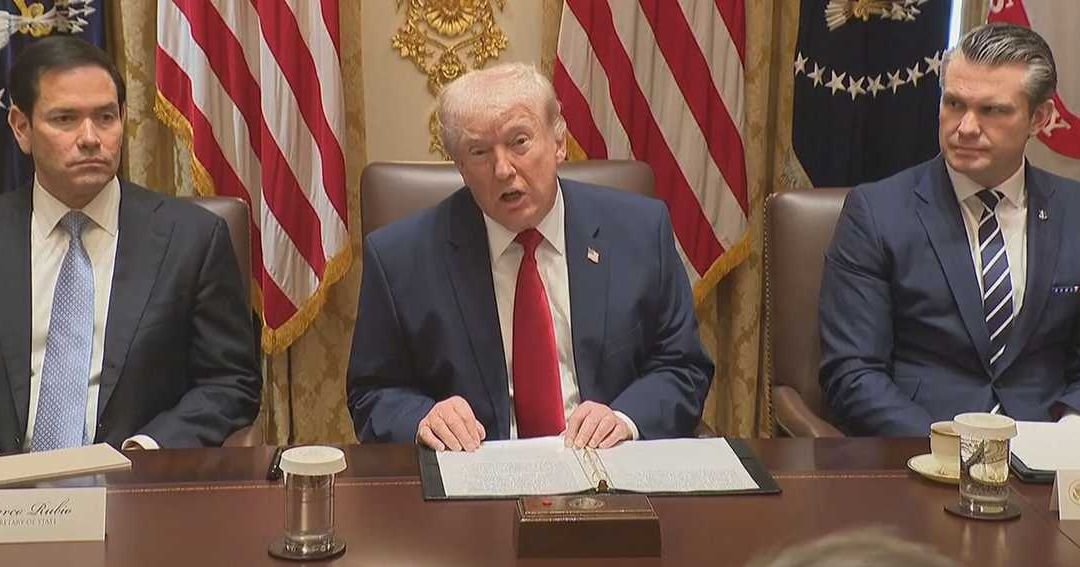
In a strategic maneuver to circumvent traditional diplomatic stalemates, the administration of former U.S. President Donald Trump established a clandestine communication channel with Iran’s Islamic Revolutionary Guard Corps (IRGC) in mid-May. According to insights provided by informed sources, the initiative was directed through officials in the Kurdistan Region of Iraq, serving as a back-channel for direct dialogue between Washington and the leadership of the Iranian military entity.
This move highlighted growing skepticism within American political circles regarding the efficacy and true authority of the official negotiating teams stationed in Tehran. By engaging directly with the IRGC, the U.S. sought to bypass the traditional diplomatic bureaucracy, which Washington increasingly viewed as either lacking the mandate to finalize substantive agreements or acting as a restrictive filter for the decision-making power held by the IRGC.
The utilization of the Kurdistan Region as a conduit for these high-stakes communications underscores the volatile and complex nature of U.S.-Iran relations during this period. As a critical theater for regional influence, Iraq has frequently served as a nexus for international diplomacy and security interests involving both the United States and Iran.
Analysts have noted that this attempt to open a direct line of communication reflects the broader challenges faced by Western powers when attempting to engage with the Iranian political architecture. The decision to reach out to the IRGC specifically points to the recognition by U.S. officials that the organization remains a central pillar of Iran’s national security apparatus and a primary architect of its regional foreign policy. By focusing on the IRGC, the administration aimed to test whether a more pragmatic, if unofficial, dialogue could yield results that formal government-to-government channels had failed to produce.
The reliance on Iraqi Kurdistan as a neutral or intermediary platform underscores the role of the semi-autonomous region in navigating the regional rivalry between the two powers. The region’s proximity to Iranian borders and its established ties with international stakeholders make it a uniquely positioned venue for such sensitive diplomatic exchanges.
While the establishment of this channel suggests a willingness by the Trump administration to explore alternative pathways to de-escalation, it also reflects the profound mistrust that characterized the period. By choosing a path outside of the standard diplomatic norms, the U.S. sought to gain clearer visibility into the Iranian decision-making process, effectively sidestepping the official representatives in Tehran whom they viewed with increasing suspicion. The initiative remains a significant chapter in the history of back-channel diplomacy between Washington and Tehran, illustrating the complexities of managing a relationship defined by intense security competition and limited official communication.