

No Israeli Withdrawal in South Lebanon as Verification Talks Stall
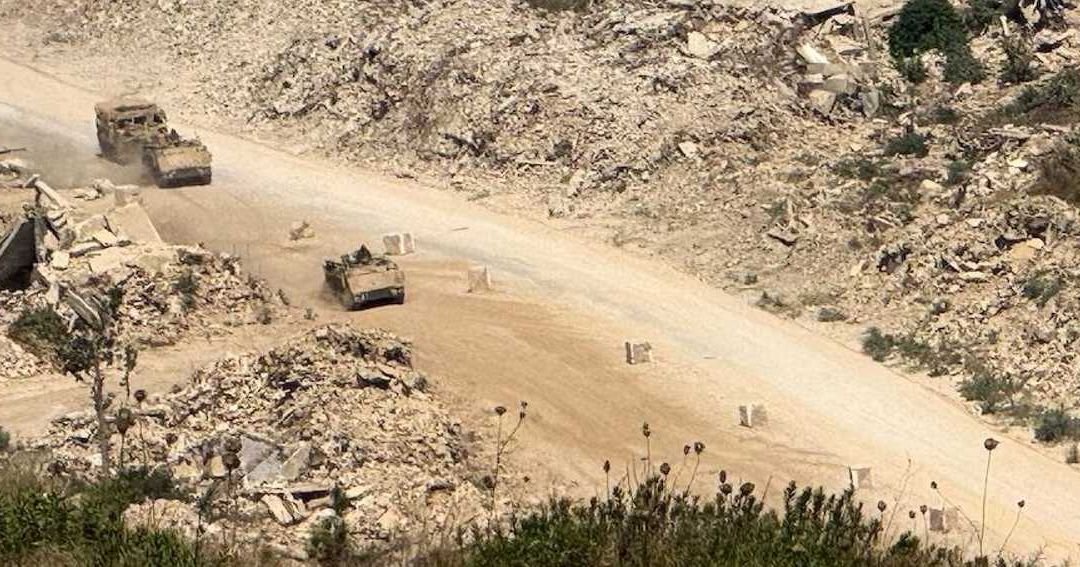
Military sources in Lebanon have provided a sobering update on the current security situation in the country’s south, noting that efforts to formalize a verification mechanism for border arrangements remain at a standstill. According to the information shared, negotiations are ongoing to define the precise parameters of an oversight framework, but parties have yet to reach a definitive or consensus-based formula.
The lack of a finalized agreement has left the regional situation in a state of suspended animation. The sources explicitly confirmed that there is currently no evidence of an Israeli withdrawal from positions in southern Lebanon, nor has there been any expansion of the territorial areas currently under experimental or temporary security arrangements.
This lack of progress in the diplomatic and military discussions underscores the complexities inherent in implementing stability measures in the border region. The proposed verification mechanism is intended to serve as a cornerstone for any potential de-escalation, ensuring that all involved parties adhere to pre-defined security protocols. However, the absence of a breakthrough highlights the significant distance between the various security requirements and the political realities on the ground.
For the residents of southern Lebanon and stakeholders monitoring the security situation, the stalemate means that the current status quo persists. The region remains under close observation as military officials continue to navigate the technical and security hurdles that currently prevent a transition to a more permanent, established order.
As the discussions continue, the primary focus remains on bridging the gap regarding the operational requirements of the verification process. The lack of movement on the ground, specifically regarding an Israeli withdrawal, remains a point of critical focus for military analysts and observers of the regional security architecture. Given the sensitivity of the border area, the absence of a clear verification protocol continues to complicate broader regional efforts to maintain relative calm along the boundary.
At present, the situation is characterized by ongoing dialogue and an adherence to existing security postures, with no indication of an immediate shift in territorial control. The focus for the coming period remains firmly on whether the ongoing military-level talks can move toward a practical, actionable framework that satisfies the security concerns of all parties involved. For now, however, the status of the border remains unchanged, awaiting the outcome of these persistent but currently unresolved diplomatic and security deliberations.