

Trump Calls for Iran to Surrender
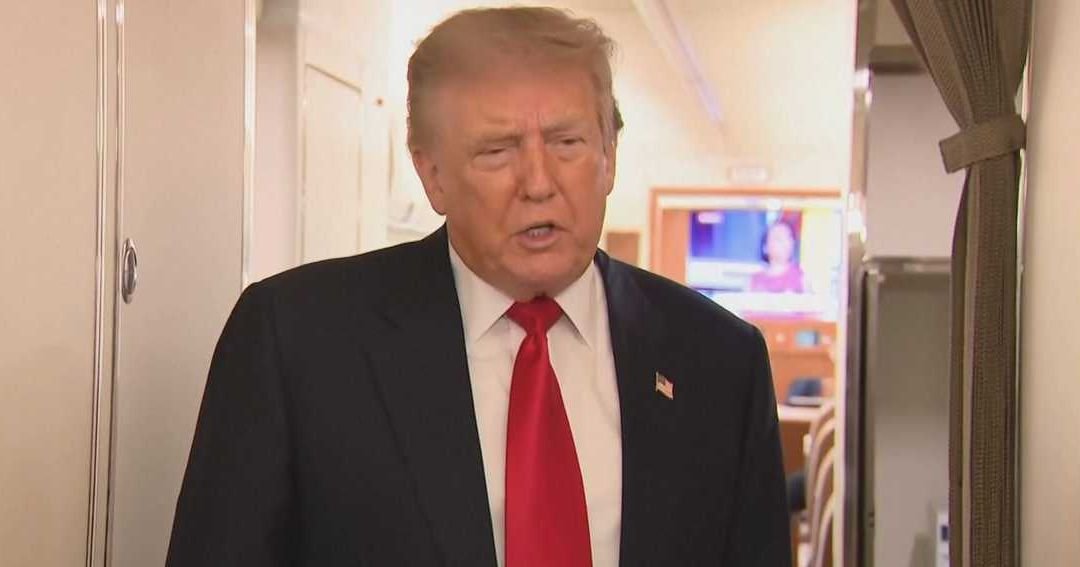
Former US President Donald Trump has issued a stark call for Iran to “raise the white flag” of surrender, marking another point of tension in the long-standing geopolitical friction between Washington and Tehran. The comments, made during a recent interview on the American news network Fox News, reflect the former president’s characteristic approach to US-Iran relations, emphasizing a stance of extreme pressure.
Trump’s remarks come amidst ongoing discussions regarding the US policy toward the Islamic Republic. By calling for a formal capitulation, the former president has underscored the intensity of his administration’s previous “maximum pressure” campaign, which sought to utilize severe economic sanctions and diplomatic isolation to force a shift in Tehran’s regional behavior and nuclear program. While the current diplomatic landscape remains fluid, Trump’s language serves as a reminder of the hardline rhetoric that continues to frame much of the debate surrounding Western engagement with Iran.
Iran, for its part, has historically rejected such ultimatums, maintaining that its sovereign rights to nuclear development and regional strategic interests are non-negotiable. The relationship between the two nations has been defined by decades of mistrust, punctuated by periods of heightened military alerts, skirmishes, and shadow conflicts across the Middle East. Observers of Middle Eastern affairs note that such high-profile statements are often closely monitored in regional capitals, as any significant change in US policy toward Tehran could have profound implications for security architectures and diplomatic alignments across the Persian Gulf and the wider Middle East.
The demand for surrender highlights the persistent chasm between the two powers. During his term in office, Trump oversaw the US withdrawal from the Joint Comprehensive Plan of Action (JCPOA), a move that dramatically escalated tensions and led to a series of reciprocal escalations in the maritime and security domains. The rhetoric from the former president suggests that his vision for the future of the bilateral relationship remains rooted in the belief that unilateral pressure is the most effective tool for inducing change from Tehran.
As the region navigates complex shifting alliances, the call for a total concession remains a contentious topic among international policymakers. While the impact of such rhetoric on actual diplomatic strategy remains to be seen, it highlights the enduringly volatile nature of the US-Iran relationship and the significance of the potential for future shifts in Washington’s foreign policy toward the Islamic Republic. Tehran continues to navigate these external pressures while managing its own internal economic and political realities, keeping a watchful eye on potential changes in the American political landscape that could alter the strategic equilibrium in the region.