

Strait of Hormuz Insurance Costs Remain at Elevated Levels
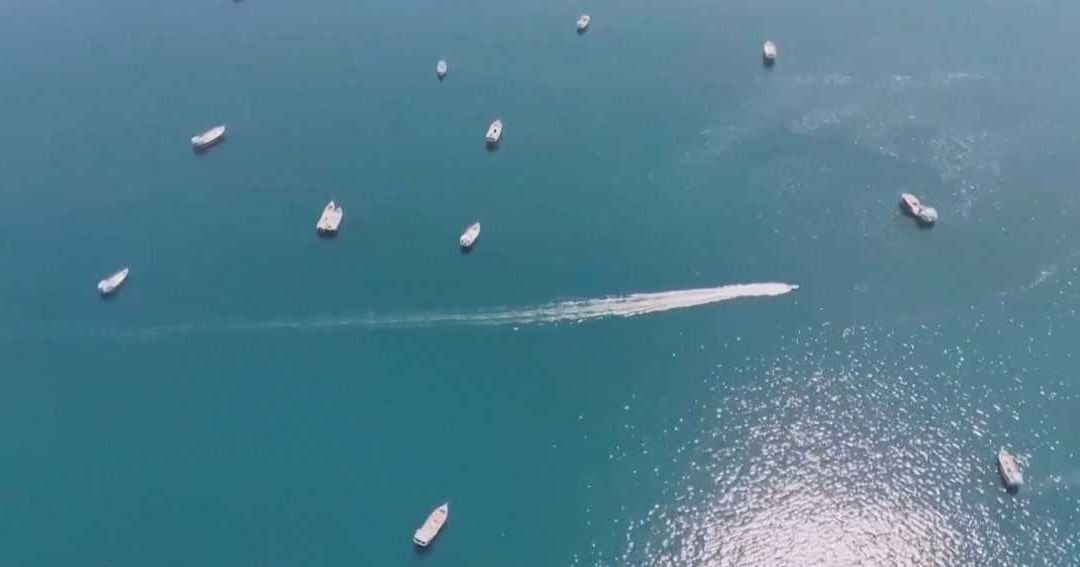
The cost of securing maritime transit through the Strait of Hormuz remains prohibitively expensive as regional security conditions continue to exert upward pressure on insurance premiums. According to industry data from the maritime insurance sector, war risk premiums for vessels navigating this critical global energy chokepoint are currently holding at elevated levels, reaching as high as 10 percent of the total value of the vessel.
These insurance costs serve as a direct reflection of the heightened risk environment surrounding the strait, which remains one of the most vital maritime corridors for the global energy market. The persistence of these high premiums is tied directly to the continued frequency of maritime security incidents and a subsequent decline in total shipping traffic through the region. For underwriters and ship operators, the volatility in the area has necessitated a reassessment of risk profiles, leading to the sustained high costs that are now effectively priced into the operations of tankers and merchant vessels alike.
Market experts note that the 10 percent threshold represents a significant economic burden for shipping companies. This level of premium is generally reserved for conflict zones where the likelihood of physical damage or seizure is perceived as acute. As shipowners grapple with these financial requirements, the impact extends beyond individual firms, affecting the broader logistics chains that rely on the unimpeded flow of goods and energy resources through the waterway.
The Strait of Hormuz, which connects the Persian Gulf to the Gulf of Oman and the Arabian Sea, remains central to the economic stability of the region. Given that a substantial portion of the world’s seaborne crude oil and liquefied natural gas (LNG) transits through this narrow passage, the current insurance climate underscores the enduring sensitivity of Middle Eastern maritime security. The combination of high premiums and reduced traffic volume highlights a climate of caution among international shipping lines, many of which are forced to weigh the necessity of transit against the elevated costs of mitigating potential security threats.
Industry observers suggest that until there is a sustained period of stability in the maritime theater, these premiums are unlikely to see a sharp decline. As security concerns persist, the financial implications for regional trade and global energy transit remain a primary focus for stakeholders throughout the Middle East and the international maritime community. The current situation continues to serve as a critical indicator of the broader geopolitical tensions that influence the operational realities of the world’s most sensitive maritime transit points.