

Iran and Oman Reach Agreement on Strait of Hormuz Navigation
The Islamic Revolutionary Guard Corps (IRGC) announced on Wednesday that a formal agreement has been reached with the Sultanate of Oman concerning the future of maritime navigation within the Strait of Hormuz. This development, confirmed by senior Iranian military officials, marks a significant diplomatic and strategic engagement between the two nations regarding one of the world’s most vital energy transit corridors.
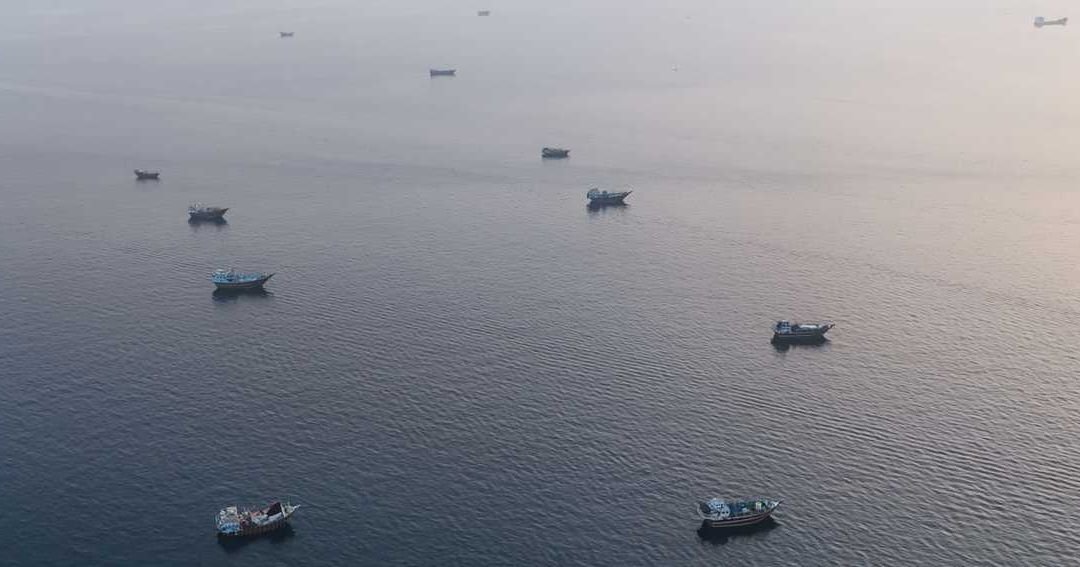
The Strait of Hormuz serves as a critical maritime chokepoint, connecting the Persian Gulf with the Gulf of Oman and the Arabian Sea. It is a fundamental artery for global oil and liquefied natural gas (LNG) shipments, with a substantial portion of the world’s seaborne petroleum exports passing through its narrow channels daily. Given its geographic position bordering both Iran and Oman, cooperation between the two states is essential for maintaining the security and efficiency of international shipping lanes.
While the specific technical details of the agreement remain under review, the announcement highlights the ongoing diplomatic efforts between Tehran and Muscat to manage regional maritime dynamics. Oman has historically maintained a unique position as a pragmatic mediator in regional affairs, often acting as a bridge between Iran and other global stakeholders. This latest development underscores the Sultanate’s active role in ensuring that the maritime environments surrounding the Arabian Peninsula remain stable.
The IRGC’s role in this announcement reflects the organization’s primary mandate over the maritime security of the Persian Gulf and its coastal waters. By entering into an understanding with Oman, Iran signals an attempt to establish a framework for communication and coordination in the area, potentially aimed at reducing maritime friction and fostering a predictable environment for vessels navigating the strait.
For regional stakeholders and the international community, the management of the Strait of Hormuz remains a central component of regional stability. Any bilateral arrangement that focuses on the regulation and safety of these waters is viewed as a significant development, particularly in an era of heightened sensitivity regarding maritime security in the Middle East. The coordination between Iran and Oman is expected to influence how future maritime policies are implemented in this high-traffic zone, although both parties have yet to release extensive protocols regarding the operational enforcement of the deal.
This agreement serves as a clear indicator of the importance of the Strait of Hormuz to the national security and economic interests of both nations. As the primary maritime gateway for the Gulf states, the stability of this waterway is paramount, and the recent diplomatic progress between Iran and Oman represents a concerted effort to address the complexities of transit through this essential global corridor.