

Iran President: Continued Conflict With US Not in National Interest
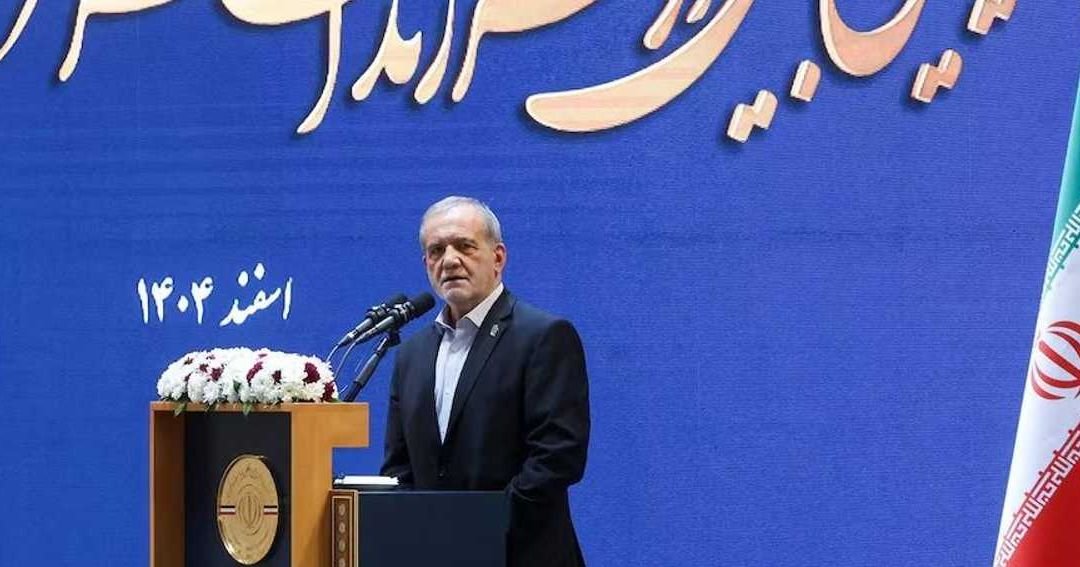
Iranian President Masoud Pezeshkian emphasized on Monday that the continuation of conflict with the United States is not in the best interest of his country. His remarks follow a period of heightened regional tensions and a recent cycle of military escalation between Tehran and Washington.
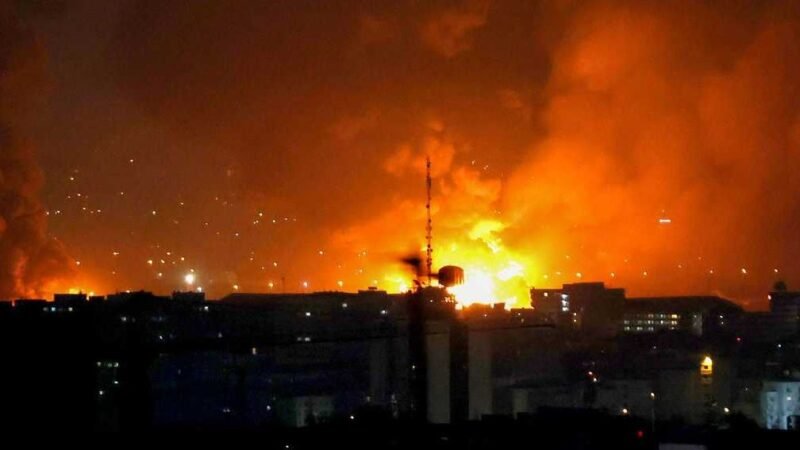
Speaking to local media, the Iranian leader addressed the current climate of hostility, suggesting a shift toward de-escalation rather than prolonged confrontation. Pezeshkian’s comments are framed within the context of recent military exchanges, which have significantly strained the diplomatic environment between the two nations.
While the President did not detail specific diplomatic pathways for ending the current friction, his public acknowledgment that sustained conflict is detrimental reflects a pragmatic approach to the country’s ongoing foreign policy challenges. Tehran has been navigating significant economic and geopolitical pressures, often citing the impact of international sanctions and regional military dynamics as primary drivers of its current strategic posture.
Analysts have long noted that Iran’s leadership often balances the rhetoric of revolutionary resistance with the realities of its domestic economic situation and the necessity of maintaining regional stability to preserve the Islamic Republic’s security framework. Pezeshkian’s assertion that the war is not in Iran’s interest marks a notable rhetorical pivot at a time when the Middle East is facing widespread volatility.
Tehran’s security apparatus, including the Islamic Revolutionary Guard Corps (IRGC), has traditionally played a significant role in defining Iran’s military strategy. However, the President’s office serves as the public face of the government’s diplomatic strategy. His intervention on Monday appears aimed at signaling a potential preference for cooling down the heightened pace of military activity, which has seen direct and indirect clashes between the two nations in recent months.
The current escalation stems from a complex web of regional grievances and direct military developments that have left global observers cautious. As both countries weigh the potential costs of further instability, Pezeshkian’s statement underscores the fragility of the status quo and the desire among some factions in the Iranian leadership to avoid a full-scale regional conflict. Whether this sentiment will lead to tangible policy changes or a reduction in proxy-related military activity remains to be seen. For now, the administration’s focus remains on managing the fallout from recent hostilities while navigating an increasingly precarious security environment in the Middle East.