

Israel Expands Strikes in Lebanon as Tensions Escalate
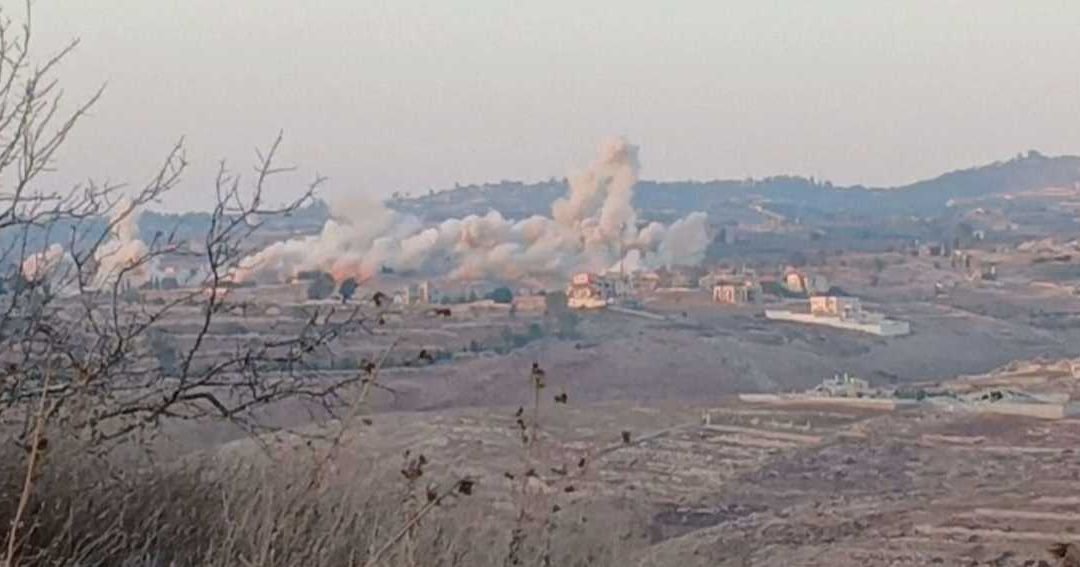
The regional security situation has significantly deteriorated following a series of intensified Israeli military actions across various regions of Lebanon. The latest escalations have seen artillery fire directed at the town of Nabatieh al-Fawqa in southern Lebanon, marking an expansion of the operational scope in the country’s border regions.
Reports indicate that the shelling in Nabatieh is occurring in tandem with an ongoing campaign of airstrikes and explosions reported in multiple areas throughout the southern and eastern parts of the nation. These developments represent a notable intensification of military activity, raising concerns about the potential for further regional instability. The strikes have specifically targeted infrastructure and locations across both southern and eastern Lebanese territories, reflecting a strategic shift in the intensity of the ongoing confrontations.
Local authorities and observers note that the bombardment has expanded beyond immediate frontline areas, with the inclusion of Nabatieh signaling a broader reach for military operations. The persistent nature of the raids and the simultaneous usage of various tactical assets, including artillery, highlight the high level of military activity currently defining the conflict theater in Lebanon.
As the military campaign continues, the situation in the affected provinces remains volatile. Residents in the targeted areas of southern and eastern Lebanon have faced increased uncertainty as the scope of the aerial and ground operations has widened. The Israeli military has maintained its focus on these regions, citing its ongoing security objectives while the exchange of fire across the border persists.
The international community remains closely focused on these developments, given the potential for the escalating military friction to impact the wider region. However, as of now, the tactical landscape remains dominated by the immediate strikes and the logistical consequences of the ongoing hostilities within Lebanese territory. There has been no indication of a pause in operations, with the intensity of the engagement suggesting a sustained period of high-alert military activity across the affected sectors. The situation remains fluid, with ongoing monitoring by local and regional entities as they assess the impact of these strikes on civilian infrastructure and the broader security architecture of southern and eastern Lebanon.