

Israeli Military Launches Surprise Multi-Front Readiness Drill
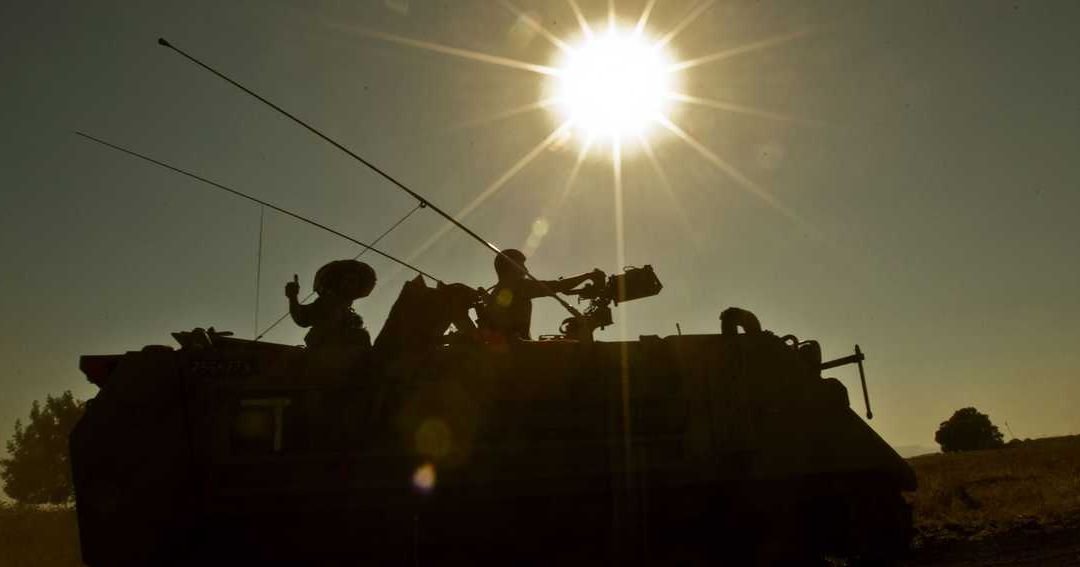
The Israeli military launched a surprise, large-scale training exercise on Sunday, designed to rigorously test the operational readiness of its forces across multiple fronts. The drill marks a significant effort to evaluate command capabilities and troop responsiveness in the face of complex, multi-sector scenarios.
In a statement confirming the maneuver, military officials indicated that the exercise is intended to simulate various combat challenges that may emerge simultaneously in different geographic theaters. By testing units in such a manner, the military aims to refine its coordination, communication, and agility, ensuring that security forces remain prepared for rapid escalation or unforeseen shifts in the regional security landscape.
The exercise involves various branches of the armed forces, requiring synergy between intelligence, logistics, and combat units. These drills are a standard component of Israeli defense strategy, serving to maintain a high state of vigilance. Given the volatile nature of the security environment, such surprise maneuvers are frequently utilized to prevent stagnation within the ranks and to identify potential vulnerabilities in deployment or rapid-response protocols.
While the military did not specify the exact locations or the duration of the drill, the focus on a multi-front scenario underscores the strategic challenges currently faced by the security apparatus. The ability to manage multiple friction points effectively is a central tenet of the military’s defense doctrine, reflecting a proactive approach to potential regional instabilities. The command structure will use the findings from these tests to optimize training regiments and address any gaps in capability identified during the simulation.
The initiative comes as part of broader efforts to maintain deterrence and ensure that the military is fully equipped to address a range of threats. No specific external triggers were cited for the timing of this particular drill, framing it as a necessary measure for testing institutional readiness and ensuring that all departments within the security establishment can operate effectively under pressure. As the training continues, the military is expected to evaluate the performance of various units to ensure they meet the rigorous standards required for operational security and regional stability.