

Egypt Declares First Phase of Gaza Truce Agreement Unimplemented

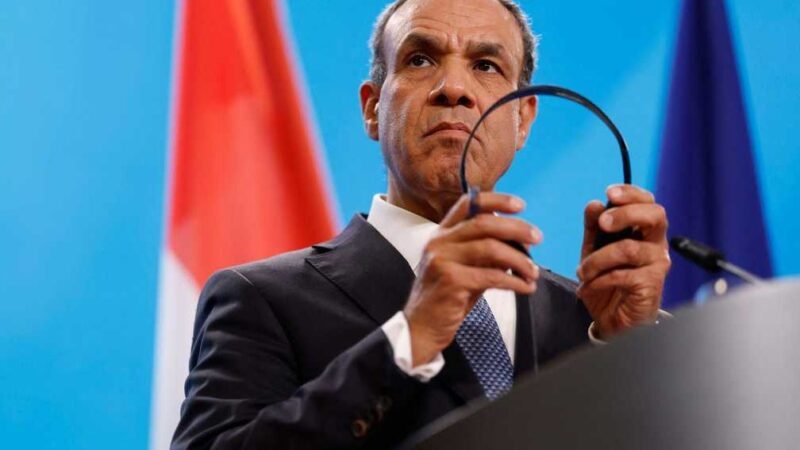
Egyptian Foreign Minister Badr Abdelatty has officially declared that the essential requirements for the first phase of the ceasefire agreement in the Gaza Strip have not been successfully implemented. The statement highlights a critical impasse in the ongoing diplomatic efforts to stabilize the situation in the territory and move toward a more sustainable de-escalation.
Speaking on the current status of the regional peace efforts, Minister Abdelatty underscored that the initial phase of the deal, which was intended to facilitate a cessation of hostilities and address immediate humanitarian and security concerns, remains unfulfilled. The failure to clear these initial milestones has significantly hindered progress toward the subsequent phases of the proposed framework, which are designed to transition the region toward a more stable security environment.
The Egyptian Foreign Minister further elaborated on the complexities involved in the later stages of the agreement. Specifically, he pointed to the second phase of the proposed plan, which requires a comprehensive inventory and formal handover of weapons, as well as a coordinated withdrawal of Israeli military forces from the region. According to the Egyptian diplomatic position, these steps are inextricably linked to the successful completion of the first phase, and the current lack of progress is preventing both sides from moving forward with these critical security measures.
Egypt has long played a central role in mediating between the parties involved in the Gaza conflict, working alongside other international stakeholders to bridge deep-seated differences and establish a credible framework for a durable ceasefire. The recent assessment from the Egyptian foreign ministry reflects the increasing frustration within Cairo regarding the slow pace of implementation and the persistent challenges in aligning the security requirements of the involved parties.
The international community has continued to look to Egypt as a key broker in the process, as the country utilizes its strategic position and historical influence to facilitate negotiations. However, the latest comments from the Foreign Minister suggest that the diplomatic road map for the Gaza conflict remains stalled as long as the fundamental conditions of the initial agreement remain unmet.
As the situation persists, regional observers and international diplomats are assessing the potential implications for further negotiations. The emphasis on the specific requirements for phase two—including the inventory and surrender of weaponry and the withdrawal of troops—signals that Egypt remains committed to a structured approach that addresses the underlying security dynamics of the crisis. For now, the diplomatic focus remains fixed on overcoming the barriers that have prevented the full execution of the first phase of the agreement, as regional stakeholders continue to weigh the path toward a long-term solution to the ongoing instability in Gaza.