

Egypt Rotates Maintenance Schedule for Giza Pyramids
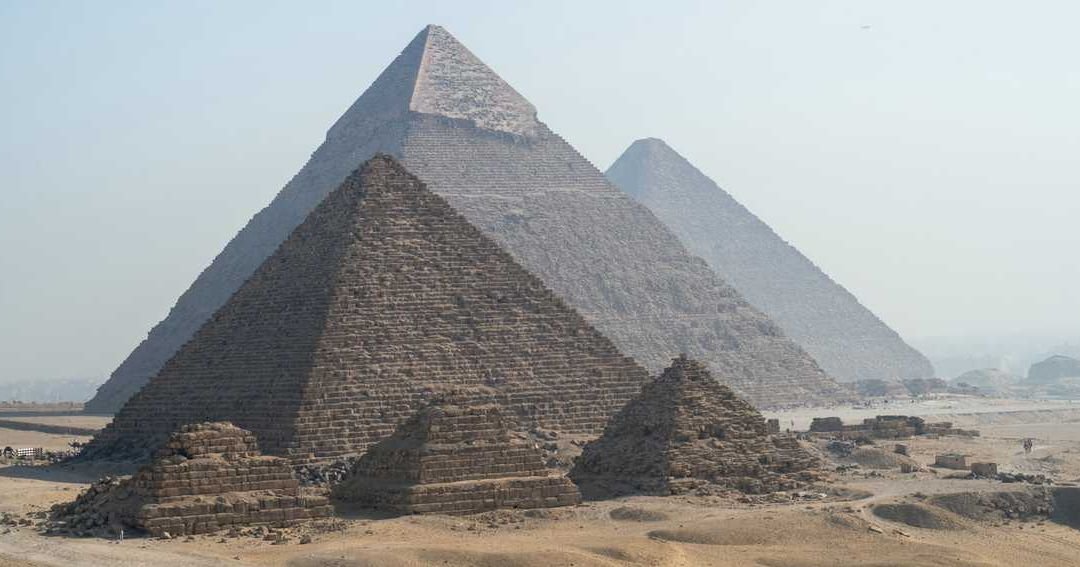
Egypt’s Ministry of Tourism and Antiquities has announced a strategic shift in visitor access at the Giza Plateau, confirming that the Pyramid of Menkaure has been closed to the public to facilitate essential maintenance works. This operation coincides with the official reopening of the Pyramid of Khafre, as part of the Supreme Council of Antiquities’ ongoing commitment to the preservation of the country’s world-renowned archaeological heritage.
The decision is consistent with the established system of periodic maintenance cycles implemented by Egyptian authorities to ensure the long-term structural integrity of the Giza necropolis. By rotating access between the primary pyramids, the Council aims to balance the high volume of tourist traffic with the delicate conservation requirements of these ancient monuments. Regular maintenance is a critical component of Egypt’s broader strategy to manage its cultural assets, ensuring that both the interior passages and external structures are surveyed and repaired to accommodate the thousands of visitors who flock to the site annually.
The Giza Plateau remains one of the most significant historical sites in the Middle East, serving as a pillar of Egypt’s cultural and tourism-driven economy. The technical work at the Menkaure Pyramid is expected to include structural monitoring and the necessary upkeep of the ventilation and lighting systems within the burial chambers, which are crucial for maintaining an environment that minimizes physical damage from high humidity and foot traffic.
The Ministry of Tourism and Antiquities continues to emphasize the importance of these rotations as a proactive measure against natural degradation. While the Menkaure Pyramid undergoes its restoration phase, officials have ensured that the site remains partially accessible or that alternate viewing experiences are maintained to minimize disruption to the tourism sector. The Khafre Pyramid, now open following the conclusion of its own maintenance cycle, will once again be available for visitors to explore its interior galleries.
As one of the Seven Wonders of the Ancient World, the Giza complex receives intensive oversight from the Supreme Council of Antiquities. The current maintenance schedule is part of a larger, long-term conservation plan designed to safeguard these monuments for future generations. Authorities have encouraged visitors to check the official updates from the Ministry regarding specific site access, as these rotations are essential for the survival and accessibility of Egypt’s monumental history. The site remains a focal point of archaeological study, with ongoing efforts to integrate modern preservation techniques with traditional historical management, ensuring that the Giza pyramids retain their status as a global landmark of antiquity and heritage.