

Sudan War Escalates Amid Foreign Interference and Regional Instability

The conflict in Sudan has evolved from an internal military confrontation into a complex, multi-layered regional struggle sustained by a web of foreign interference. According to experts participating in a recent high-level debate at the Swiss Press Club in Geneva, the ongoing hostilities between the Sudanese Armed Forces and the Rapid Support Forces are no longer contained within the borders of the country.
Participants in the discussion highlighted that the war is being actively fueled by international networks providing both sides with critical resources. This support goes beyond mere political posturing; it involves the supply of sophisticated weaponry, advanced technology, financial backing, and essential logistical operations. This continuous influx of external aid has effectively transformed the nature of the conflict, allowing it to persist despite devastating consequences for the Sudanese population.
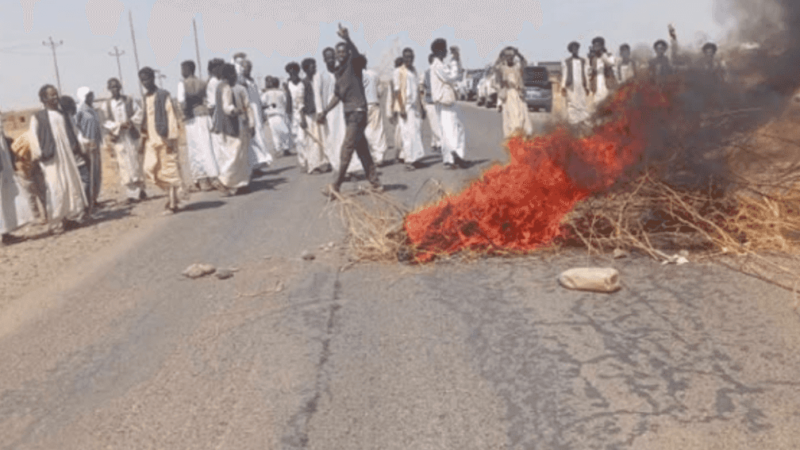
As these foreign entities continue to provide the means for military operations, the impact on Sudan has been catastrophic. The country is currently facing an accelerated path toward internal division, which threatens to dismantle the social and political fabric of the nation. Beyond the immediate military implications, the persistence of these supply lines has deepened a severe economic downturn. With infrastructure in ruins and agricultural and industrial production largely paralyzed, the nation is struggling to manage a massive humanitarian crisis that has displaced millions and left a significant portion of the population in need of urgent assistance.
Analysts emphasize that the infusion of foreign technology—including drones and other advanced military hardware—has raised the intensity of the fighting and significantly complicated efforts to reach a ceasefire. The reliance on external supporters for funding and logistics ensures that neither side faces the immediate pressure required to engage in meaningful peace negotiations. This reality has effectively trapped the country in a cycle of violence where regional and external interests often take precedence over the stability and unity of the Sudanese state.
Furthermore, the discussion underscored the danger posed by the increasing fragmentation of the country. As various militias and political factions align with different foreign backers, the likelihood of a permanent partition or a long-term state of anarchy grows. The involvement of these external actors is not only prolonging the war but is also undermining international mediation efforts, as the competing interests of foreign sponsors make it increasingly difficult to establish a unified approach to ending the carnage.
The situation in Sudan is now widely viewed as a test of regional and global security frameworks. If the flow of illegal arms and financial support remains unchecked, the resulting instability is expected to have far-reaching repercussions across the broader region. For now, the combination of economic collapse and ongoing military escalation remains the primary obstacle to restoring a functioning government and providing much-needed relief to the Sudanese people.