

UN Security Council Extends Sudan Expert Panel Mandate
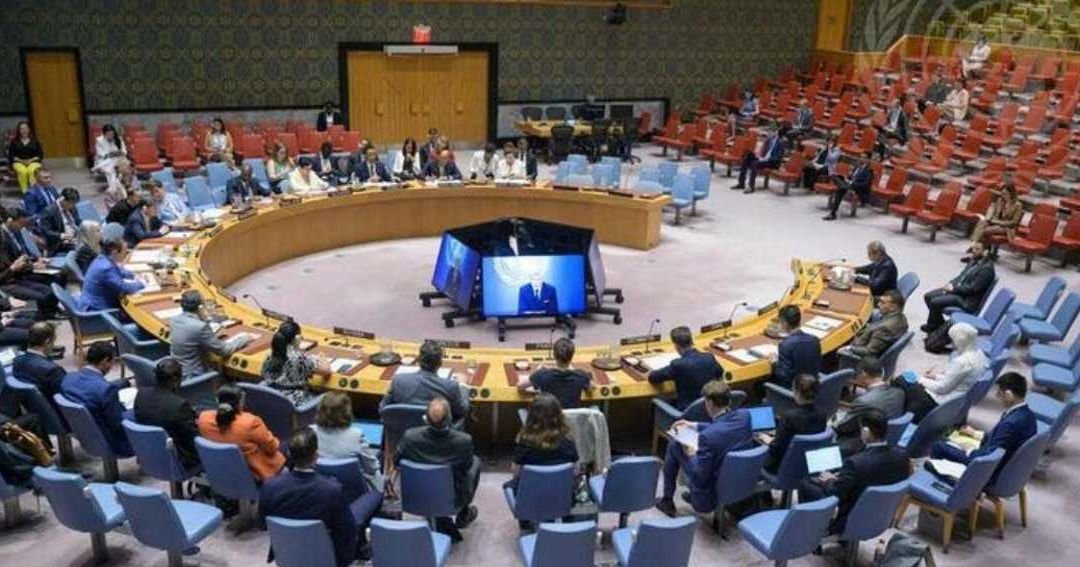
The United Nations Security Council voted on Friday to extend the mandate of the expert panel tasked with monitoring sanctions related to the ongoing conflict in the Darfur region of Sudan. The extension, which was granted on a technical basis, will keep the panel operational for an additional two months.
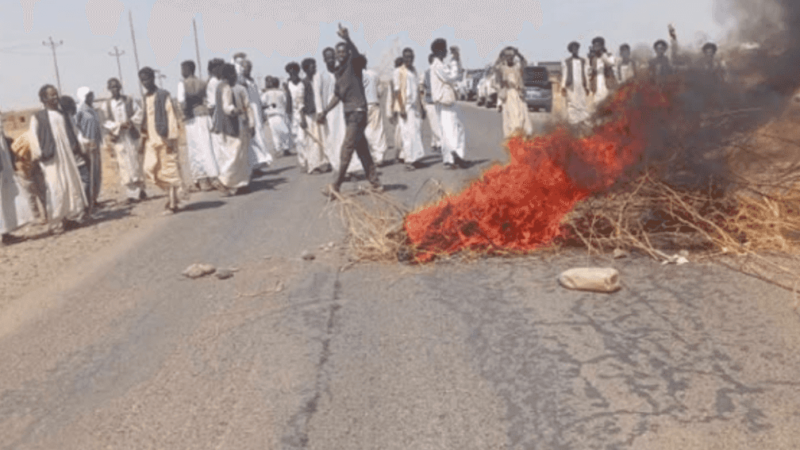
While the resolution ensures the continued presence of the monitoring body, the council reached an impasse regarding proposed expansions to the existing arms embargo. Current measures restrict the flow of weapons into the Darfur region, where long-standing instability and humanitarian crises remain a primary focus of international concern. There had been deliberations within the council regarding the potential expansion of this arms embargo to cover the entirety of Sudanese territory; however, this measure was ultimately deferred.
Diplomatic sources indicated that the proposal to broaden the scope of the arms sanctions faced significant resistance during council deliberations. The opposition was led primarily by the Russian Federation, which maintained objections to the proposed expansion, preventing the council from reaching the necessary consensus to implement broader restrictions at this time.
The panel of experts plays a critical role in providing the Security Council with independent assessments regarding the compliance of various actors with the established sanctions regime. Their reports often serve as a vital source of information for the international community as it navigates the complex security dynamics in the region. By extending the mandate, the council has opted to maintain its current oversight mechanism for the time being, even as regional stakeholders and international observers continue to debate the most effective path toward stability in the broader Sudanese context.
The decision to maintain the status quo comes as the international community faces ongoing challenges in addressing the multifaceted conflict in Sudan. The current sanctions regime, which has been in place for years, was designed to mitigate violence and protect civilian populations in Darfur, a region that has suffered from systemic conflict for two decades.
As the two-month period begins, the panel is expected to continue its work in monitoring the implementation of sanctions, including tracking potential violations and evaluating the impact of the current measures. The council’s decision to delay broader action highlights the complexities involved in reaching a unified international response to the evolving situation in Sudan. Future discussions regarding the scope of these measures remain on the agenda for the Security Council as the international community continues to monitor regional developments and the effectiveness of current diplomatic and security tools.