

B’Tselem Accuses Israel of Systematic Efforts to Erase Palestinian Presence
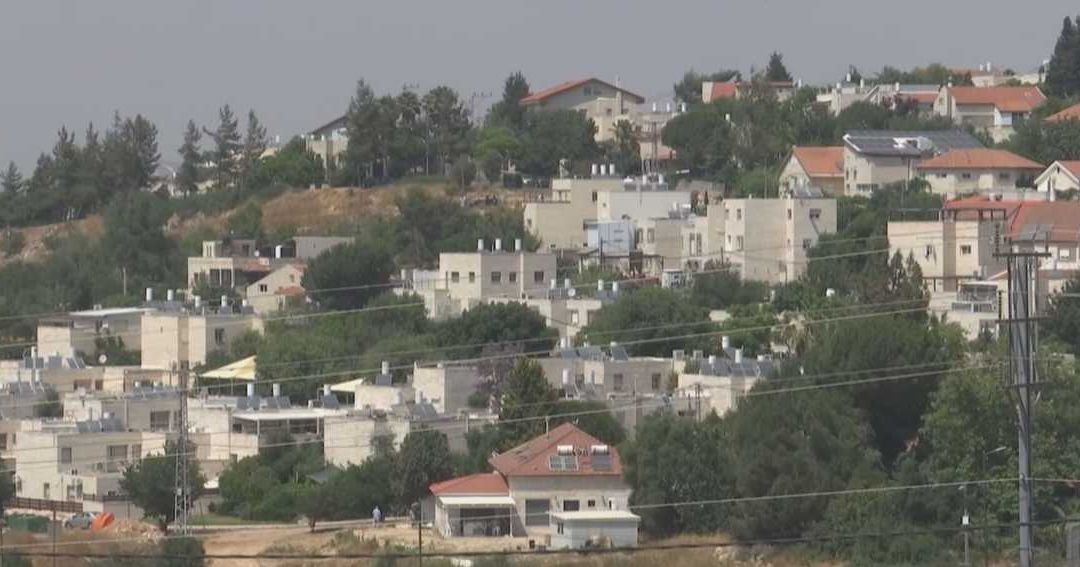
The Israeli human rights organization B’Tselem has formally accused the Israeli state of implementing a series of interconnected policies in the occupied West Bank that the group asserts are part of a broader, deliberate project to erase the Palestinian presence in the territory.
In a detailed assessment released on Monday, the organization highlighted that these measures are not isolated incidents but rather represent a systematic approach to territorial control and demographic engineering. According to B’Tselem, the policies currently being enforced in the West Bank are designed to undermine the stability, economic viability, and communal integrity of Palestinian life in the region. The group argues that these actions collectively form an overarching strategy aimed at what it described as the “erasure” of Palestinians as a distinct people within the area.
B’Tselem, which has long monitored human rights conditions in the West Bank, pointed to a range of operational directives that it claims are facilitating this objective. These include restrictions on movement, the expansion of settlement infrastructure, and administrative actions that significantly impede the daily lives of Palestinians. The organization contends that these institutionalized methods have created an environment that forces local populations to leave their ancestral lands, thereby effectively thinning the Palestinian demographic footprint across the occupied territories.
The report emphasizes that the cumulative impact of these administrative and security-related decisions reflects a state-led effort to prioritize territorial acquisition and sovereignty over the rights and residency of the Palestinian population. By framing these policies as an integrated project, B’Tselem seeks to challenge the perception of these measures as temporary or disparate security responses, characterizing them instead as a long-term geopolitical agenda.
This accusation comes at a time of heightened regional sensitivity regarding the status of the West Bank and the future of Palestinian residency. The organization’s stance underscores the intensifying debate surrounding the governance of the territory and the ongoing friction between Israeli policies and the international consensus regarding Palestinian rights. B’Tselem’s findings serve as an indictment of the current trajectory of regional policies, suggesting that the fundamental structure of the occupation is being leveraged to fundamentally alter the demographic and political landscape of the West Bank. The organization maintains that without a significant shift in policy, these actions will continue to facilitate the displacement of communities and the dismantling of the structures that sustain Palestinian society in the region.