

UAE and Kuwait Foreign Ministers Discuss Regional Developments
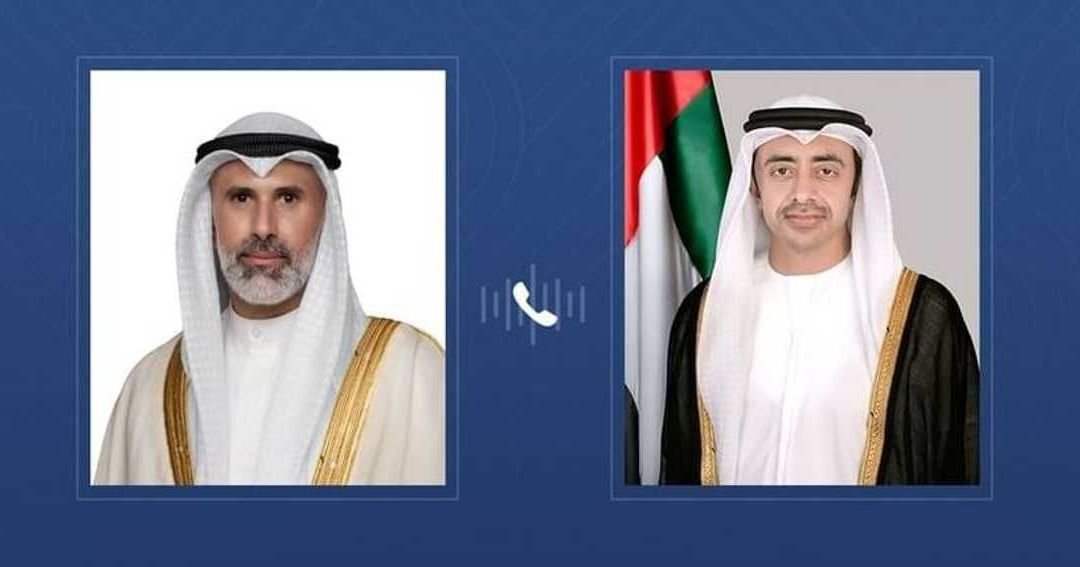
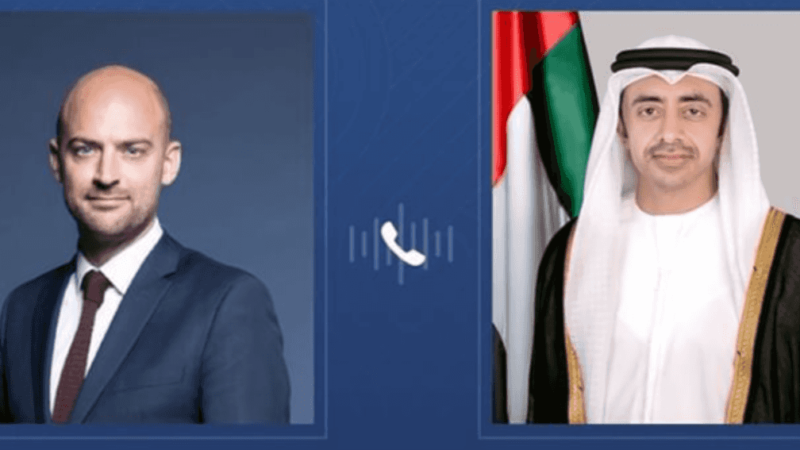
The United Arab Emirates and the State of Kuwait have held high-level diplomatic consultations to address the rapidly evolving political landscape across the Middle East. Sheikh Abdullah bin Zayed Al Nahyan, Deputy Prime Minister and Minister of Foreign Affairs of the UAE, conducted a formal telephone conversation with Sheikh Jarrah Jaber Al-Ahmad Al-Sabah, the Minister of Foreign Affairs of Kuwait, to examine the current state of regional affairs.
The discussion served as a platform for both nations to coordinate their perspectives on the multifaceted challenges currently impacting the Middle East. As key members of the Gulf Cooperation Council (GCC), the UAE and Kuwait have historically maintained a close strategic alignment, often consulting on matters of regional stability, security, and diplomatic initiatives aimed at de-escalating tensions.
During the call, the two ministers assessed a range of developments, focusing on the broader geopolitical shifts that have emerged within the region. The dialogue highlighted the importance of sustained communication between regional partners to navigate the complexities of the current political environment. Both sides reaffirmed their commitment to maintaining the close bilateral ties that define the relationship between the UAE and Kuwait, emphasizing their shared interests in promoting regional peace and prosperity.
While specific details of the subjects discussed remain focused on the general regional situation, the engagement underscores the proactive diplomatic role played by both Abu Dhabi and Kuwait City. By synchronizing their views, the two nations aim to foster a cohesive regional stance, reflecting their dedication to addressing collective security concerns and promoting stability through traditional diplomatic channels.
This diplomatic exchange is reflective of the ongoing efforts by Arab Gulf states to engage in regular, high-level coordination. Such discussions are critical in an era where regional dynamics are frequently shifting, requiring agile and synchronized responses from key political actors. The interaction between Sheikh Abdullah bin Zayed and Sheikh Jarrah Jaber Al-Ahmad Al-Sabah signals a continued prioritization of regional unity and collaborative diplomacy as a means to respond to ongoing challenges across the Middle East. As both nations continue to monitor developments, such consultations provide a foundation for consistent policy engagement and regional cooperation, ensuring that both the UAE and Kuwait remain aligned in their strategic vision for the security and future of the Arab world.