

US Energy Secretary Criticizes Iran’s Nuclear Non-Cooperation
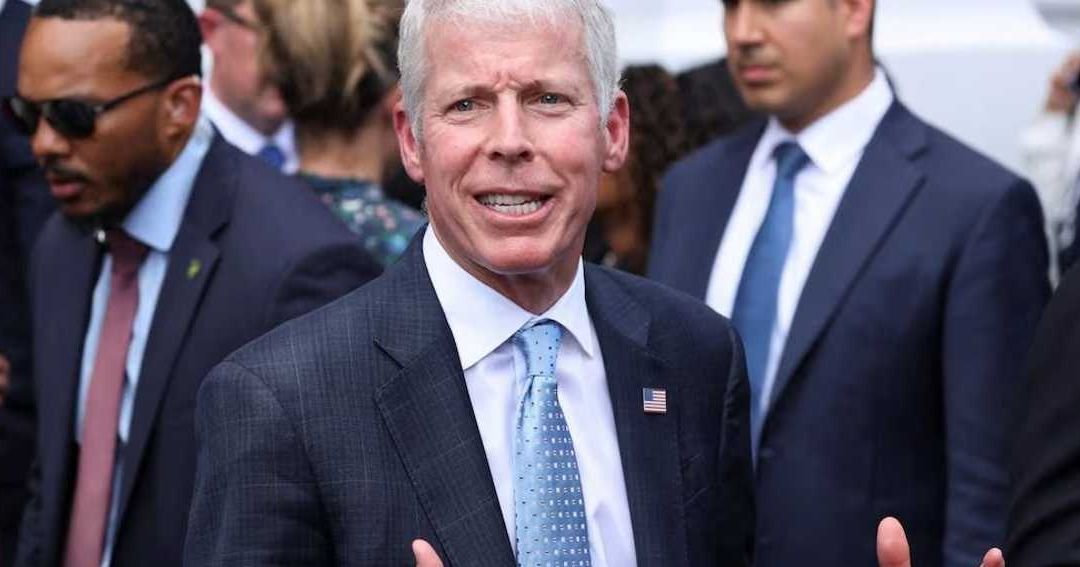
United States Secretary of Energy Chris Wright issued a pointed critique of Iran’s nuclear policy on Monday, focusing on the country’s ongoing failure to meet its obligations to the International Atomic Energy Agency (IAEA). The statement highlights a growing frustration within the American administration regarding Tehran’s transparency and its willingness to adhere to international nuclear monitoring frameworks.
For several years, the relationship between Iran and the IAEA has been characterized by cycles of friction, as the UN agency continues to press for greater access to nuclear facilities and clarifications regarding undeclared nuclear material found at various sites. Secretary Wright’s remarks underscore the official US position that Tehran’s current level of cooperation remains insufficient, particularly as international scrutiny regarding Iran’s uranium enrichment activities intensifies.
The IAEA, led by Director General Rafael Grossi, has consistently warned that the lack of access to key monitoring equipment and the limitation of oversight in certain facilities severely hampers the agency’s ability to guarantee the peaceful nature of Iran’s nuclear program. In recent months, these concerns have deepened, with observers noting that Iran’s expanded enrichment activities have brought the country closer to weapons-grade material thresholds, though Tehran maintains that its nuclear program is exclusively for civil and energy-related purposes.
Secretary Wright’s intervention adds a significant layer of diplomatic pressure during a period of heightened geopolitical tension in the Middle East. By explicitly linking Iran’s energy and industrial-scale nuclear ambitions to a lack of international cooperation, the US government is signaling that it remains committed to using both diplomatic channels and institutional pressure to ensure that Iran’s nuclear path is strictly monitored.
The call for improved cooperation is expected to remain a central pillar of diplomatic discourse at the upcoming IAEA Board of Governors meetings. The United States continues to advocate for a robust international response that forces greater compliance, while Tehran maintains that its actions are a response to broader sanctions and political pressure from Western powers.
As the IAEA struggles to maintain its verification regime under current limitations, the international community continues to monitor whether Iran will adjust its stance to avoid further isolation. The US Secretary of Energy’s latest comments serve as a reinforcement of the requirement for Iran to provide the necessary transparency demanded by global nuclear safety and non-proliferation protocols. The diplomatic path ahead remains complex, as neither side appears willing to offer concessions that would fundamentally alter the current impasse.