

Syria Emerges as Regional Opportunity Following Sanctions Relief
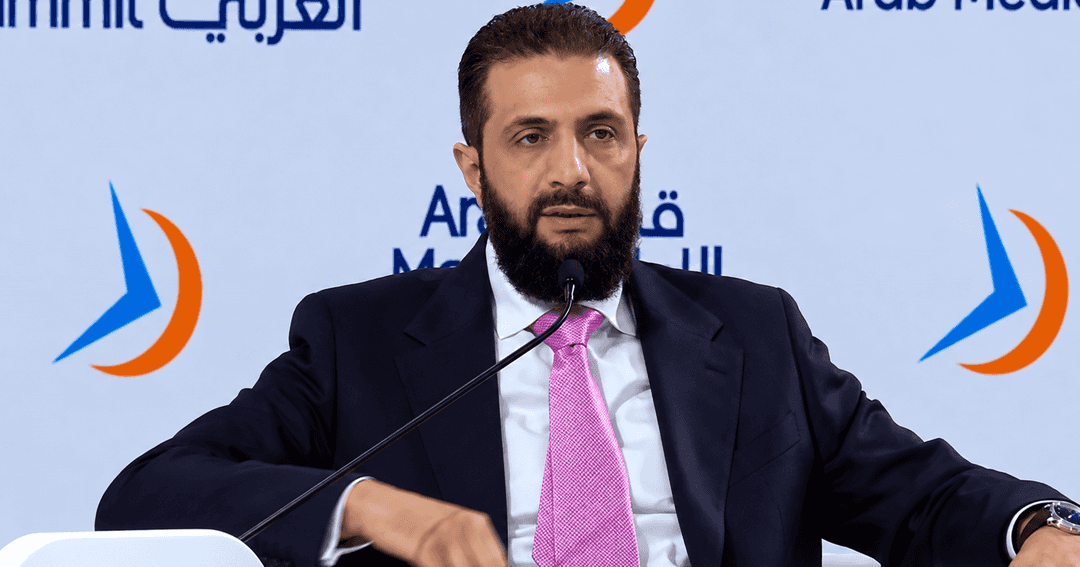
Syrian President Ahmed al-Sharaa declared on Tuesday that the country has been “reborn” following the recent lifting of international sanctions. In a significant statement regarding the nation’s geopolitical trajectory, the President emphasized that Syria is transitioning away from a legacy characterized by regional friction and instability to a new era defined by fresh potential.
For years, Syria has been at the center of complex diplomatic and security challenges that have rippled across the Middle East. The lifting of these restrictive measures is viewed by the current leadership as a pivotal turning point that fundamentally alters the country’s status on the international stage. According to President al-Sharaa, the removal of these obstacles allows Syria to move past its previous role as a source of regional volatility and instead emerge as a “great opportunity” for cooperation and development at the regional level.
This shift in diplomatic standing is expected to have far-reaching implications for the country’s engagement with its neighbors. The government’s narrative suggests that by shedding the constraints of sanctions, Damascus intends to recalibrate its foreign policy, focusing on re-integrating into regional frameworks and potentially fostering new economic and political synergies. The declaration marks a clear strategic effort to pivot toward a future where Syria’s resources and location can be leveraged to benefit the broader Middle Eastern landscape.
Regional observers are closely monitoring this development to see how the political and economic landscape within the Levant will evolve in the coming months. The Syrian government has signaled that this “rebirth” is not merely a political slogan but a functional change in how it intends to conduct its affairs with other sovereign states. By presenting itself as a regional opportunity rather than a source of instability, Syria is attempting to redefine its diplomatic identity to align with a more cooperative regional environment.
While the full impact of the end of the sanctions era remains to be seen, the government’s stated commitment to this new course of action suggests a significant reordering of priorities. Damascus appears intent on capitalizing on this newfound momentum to stabilize its internal economy and repair long-standing fractures in its international relations. The success of this transition will depend heavily on the ability of the administration to translate these diplomatic overtures into tangible outcomes that reassure regional partners and foster a climate of mutual, long-term stability.