

US-Iran Diplomacy: Emerging Prospects Amid Internal Teheran Divisions
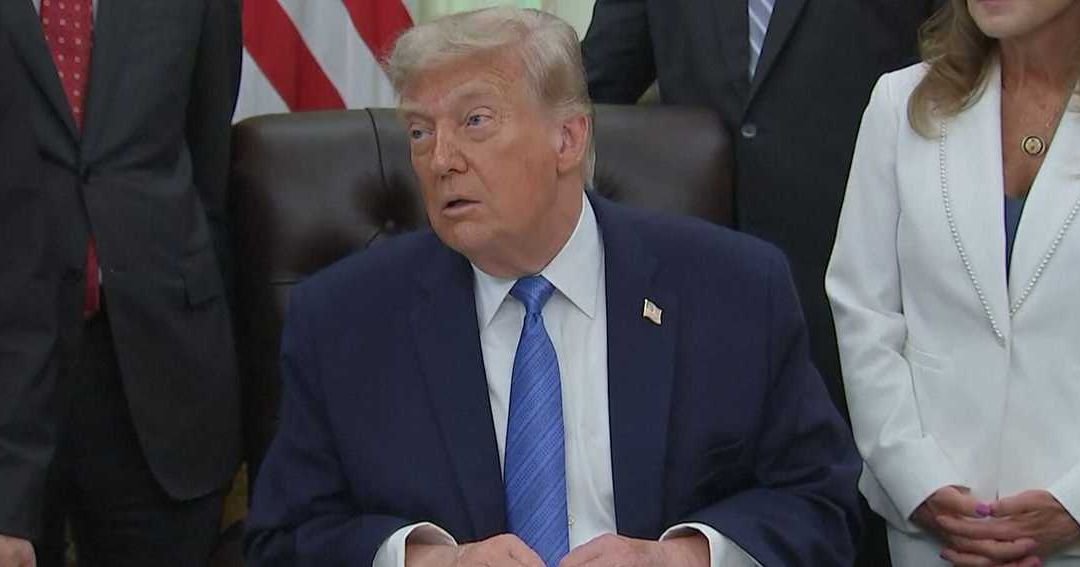
The landscape of relations between the United States and Iran appears to be shifting toward a potential new phase of engagement. Following repeated public statements from US President Donald Trump signaling an openness to renewed negotiations, the possibility of a diplomatic breakthrough is once again entering the geopolitical discourse. However, the path toward any formal settlement remains fraught with significant internal challenges, particularly within the Iranian political establishment.
For months, the diplomatic climate has been defined by high tensions and a complex web of sanctions and regional military posturing. The recent indications of a potential shift in the US approach, marked by President Trump’s declarations of willingness to negotiate, have prompted a period of intense deliberation among Iranian policymakers. While the prospect of direct talks suggests a possible departure from the current stalemate, the potential for a breakthrough is currently being tempered by significant friction within Tehran regarding the scope and nature of a possible deal.
At the center of the domestic debate in Iran is the question of strategy. Iranian leadership and various influential political factions are reportedly grappling with the conditions under which a settlement could be reached. This debate is centered on determining the limits of possible concessions and whether current domestic and economic pressures mandate a shift in the country’s foreign policy approach. The internal discourse reflects a deep-seated caution, as different wings of the government assess the implications of negotiating with a new US administration, while simultaneously balancing the demands of national sovereignty and regional strategic goals.
The divergence of opinion within Tehran complicates the ability of the state to present a unified front for any potential diplomatic initiative. While some voices within the political apparatus may be weighing the potential economic benefits of a reduction in tensions, others remain strictly opposed to compromise, citing concerns over long-term security and the potential for a strategic disadvantage. These internal divisions create a significant hurdle for any potential breakthrough, as negotiators must navigate not only the external demands of the United States but also the rigorous constraints imposed by domestic political factions.
As the international community watches these developments closely, the focus remains on whether these exploratory signals can translate into substantive diplomatic progress. The success of any eventual process will likely depend on whether the Iranian leadership can reconcile its internal disagreements and define a clear mandate for engagement. Until a consensus is reached within the capital, the possibility of a deal remains a subject of intense speculation, with the primary obstacle currently resting on the ability of Teheran to unify its position on the terms of a potential settlement.