

Lebanon Seeks Security Agreement with Israel to Avert Conflict
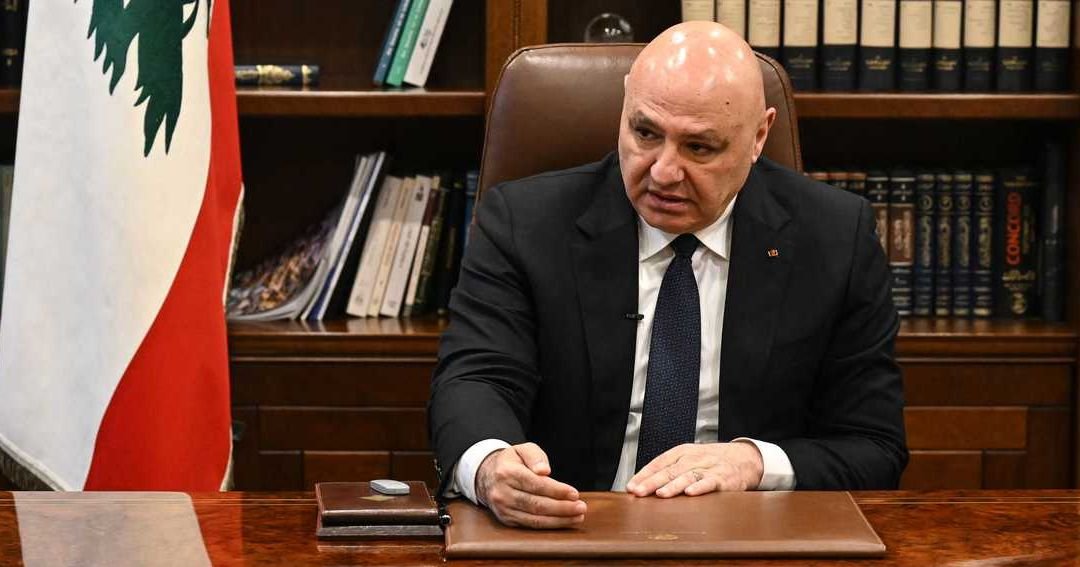
Lebanon is actively pursuing a security agreement with Israel in a strategic effort to terminate the long-standing state of hostility between the two nations. According to recent statements from the Lebanese leadership, the move is intended to establish a framework for stability and mitigate the immediate risk of further military confrontation.
Highlighting the urgency of the situation, the Lebanese government has emphasized that direct negotiations represent the only viable path to de-escalate tensions and avoid the devastating consequences of a new war. By seeking a formal security arrangement, Beirut is looking to move beyond the current cycle of border volatility and sporadic clashes that have historically defined relations between the two countries.
This diplomatic initiative marks a significant development in regional affairs, as it signals a potential shift in how Lebanon addresses its volatile southern border and its broader security architecture. The move to initiate formal discussions with Israel, a state with which Lebanon remains in a technical state of war, underscores a prioritization of national stability and the prevention of large-scale military conflict.
The push for an agreement is framed as a proactive measure to protect Lebanon from the threat of renewed hostilities. Regional observers note that while the path toward a formal agreement remains complex given the deep-seated political and historical grievances between the two sides, the public acknowledgment of this objective reflects a calculated approach to national security.
For decades, the Lebanon-Israel border has served as a primary theater for regional instability, often influenced by wider geopolitical frictions. The current effort, as articulated by the Lebanese leadership, focuses on reaching a consensus that can serve as a precursor to broader peace, or at the very least, a lasting cessation of hostilities. This strategic pivot aims to secure Lebanon’s interests by diplomatic means, focusing on dialogue rather than the continued reliance on military posturing or confrontation.
As the situation develops, the focus remains on whether these intentions for a security agreement can be translated into substantive progress at the negotiating table. The Lebanese leadership’s commitment to this dialogue indicates a clear recognition that the risks of inaction are far greater than the challenges of pursuing a negotiated settlement with its neighbor. By engaging directly, Lebanon hopes to stabilize its security environment, ensuring that the country is not drawn into broader regional conflicts that could threaten its sovereignty and economic recovery efforts. The success of this initiative will likely depend on the willingness of both parties to navigate the intricate political landscape and reach a security framework that ensures mutual restraint.