

US Intelligence Warns of Potential Iranian Cyber Threats to Oil Assets
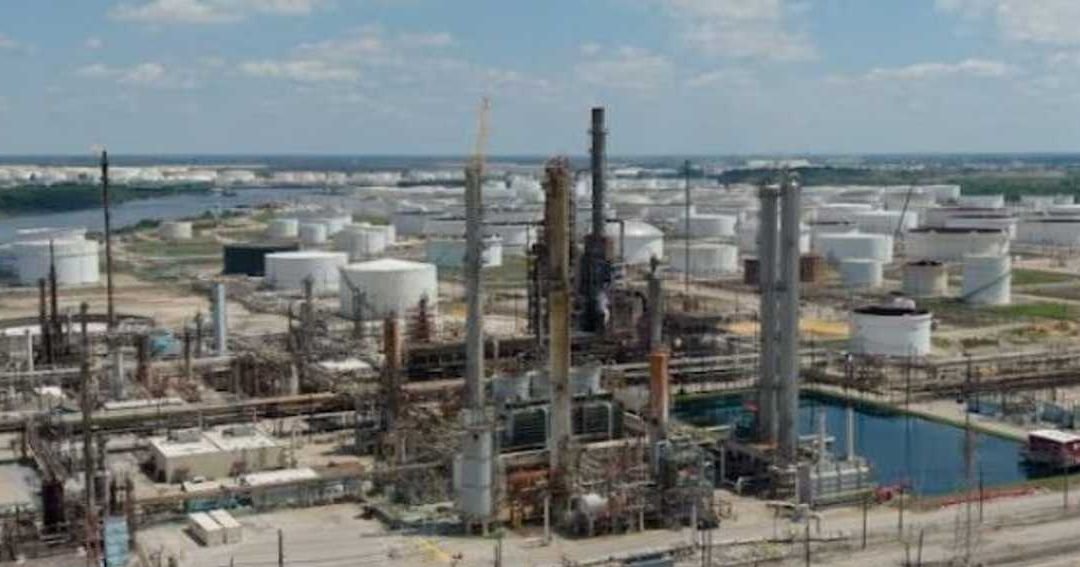
A recent intelligence assessment in the United States has raised alarms regarding the potential for cyber activities originating from Iran directed at American critical energy infrastructure. According to the advisory, Iranian-linked cyber actors have been identified as investigating industrial control systems commonly employed by energy firms to manage and monitor oil storage facilities.
The intelligence report indicates that these cyber entities appear to be mapping out the digital architecture of oil storage networks. The primary concern among security officials is that these activities could be a precursor to targeted cyberattacks. If successful, such interventions could lead to significant disruptions in operational technology, potentially causing physical damage to infrastructure or triggering hazardous leaks of fuel and chemical materials.
While the report stops short of confirming an imminent attack, it highlights a persistent and evolving threat landscape. The focus on supervisory control and data acquisition (SCADA) systems—which are vital for the real-time management of oil storage and pipeline pressures—suggests a shift toward strategies that aim to cause tangible, kinetic impact through digital means. The security community remains vigilant, as these energy systems are integral to both domestic supply chains and broader energy market stability.
Energy infrastructure has become a high-priority target in the theater of international cyber warfare. Security experts have frequently warned that state-sponsored actors, including those from Iran, possess the capability to conduct sophisticated reconnaissance on Western critical infrastructure. By identifying vulnerabilities in the control software that regulates storage levels and safety valves, these actors seek to develop the leverage necessary to inflict operational or environmental harm.
Following the disclosure, officials are advising energy operators to conduct thorough audits of their cybersecurity defenses, particularly regarding the connectivity of their industrial control systems. Strengthening the security posture of these networks is viewed as a critical measure to mitigate the risks posed by adversarial reconnaissance. The potential for such attacks remains a significant point of concern for U.S. national security agencies, given the high stakes involving environmental protection and energy sector continuity.
This development underscores the ongoing technological tensions between the U.S. and Iran in the cyber domain. While both nations have long monitored one another’s digital networks, the specific focus on physical energy storage infrastructure marks a concerning escalation in the nature of the perceived threat. Energy companies are being urged to maintain heightened situational awareness and to collaborate closely with federal agencies to detect and neutralize any unauthorized attempts to probe or infiltrate their critical digital assets.