

China Rejects US Sanctions on Iranian Airlines
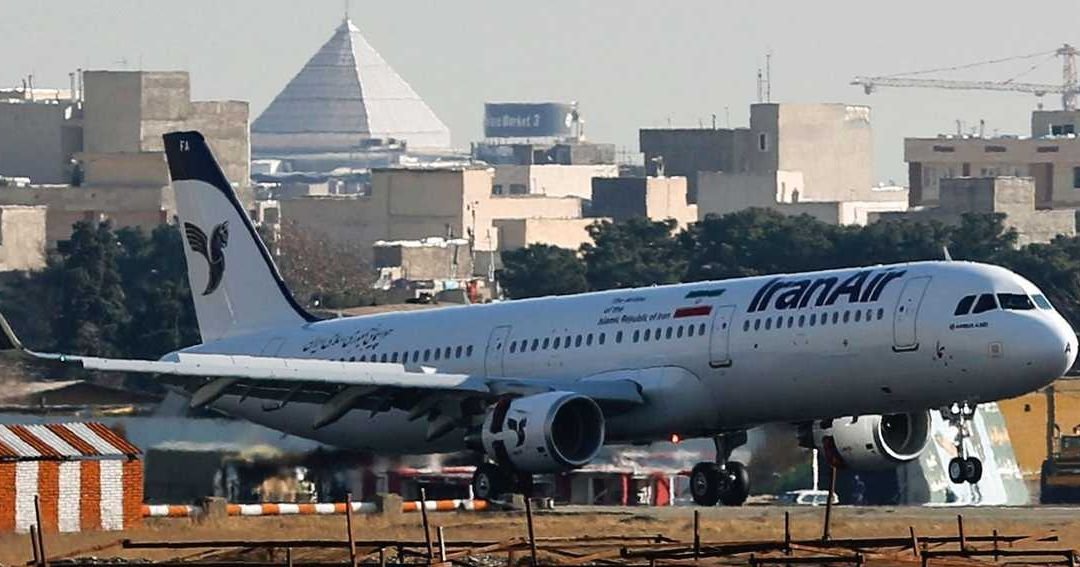
The Chinese government has expressed strong opposition to recent sanctions imposed by the United States on Iranian airlines. Beijing’s stance follows remarks made by the United States Treasury Secretary, who suggested that Iranian aviation operators are on the brink of total cessation due to the sustained pressure exerted by Washington’s restrictive economic measures. The Chinese Ministry of Foreign Affairs condemned the actions, characterizing the US policy as ‘illegal’ and emphasizing that such unilateral sanctions undermine international efforts to maintain stability in the region.
The diplomatic pushback from Beijing highlights the ongoing friction between the global powers regarding their respective approaches to Tehran. While the United States continues its policy of ‘maximum pressure’ intended to isolate the Iranian aviation sector, China maintains that these measures do not conform to international law and complicate the broader regional economic landscape. The US administration’s recent rhetoric regarding the viability of Iranian air travel has prompted an immediate, albeit predictable, defensive response from China, which remains one of Iran’s primary economic partners.
From the perspective of the Chinese authorities, the sanctions serve as a barrier to normal civil aviation operations, affecting not just the targeted entities but also the flow of commerce and diplomacy. By labeling the sanctions as illegal, China is signaling its refusal to align with US-led economic isolation efforts targeting Tehran’s critical infrastructure. The development is significant as it underscores the divergence in foreign policy strategies between Washington and Beijing, particularly concerning how to address Iran’s role in regional affairs.
Analysts have noted that the Iranian aviation sector has long been a focal point of US sanctions, which seek to limit the country’s ability to move personnel and goods across the Middle East. The US government frequently cites national security concerns and the alleged misuse of civilian aircraft for illicit activities as the primary drivers behind these designations. However, for Beijing, the issue is viewed primarily through the lens of international trade and sovereignty. By challenging the legitimacy of the US measures, China is reaffirming its commitment to maintaining established trade channels with Iran, despite the persistent threat of secondary sanctions from Washington.
The situation remains fluid as both countries await the potential real-world impact of the US Treasury’s claims regarding the imminent collapse of Iranian flight operations. For now, the public disagreement between Beijing and Washington serves as a reminder of the geopolitical tensions that continue to define the current economic and security environment in the Middle East.