

Ben-Gvir Vows to Cremate Sinwar’s Remains if Appointed Defense Minister
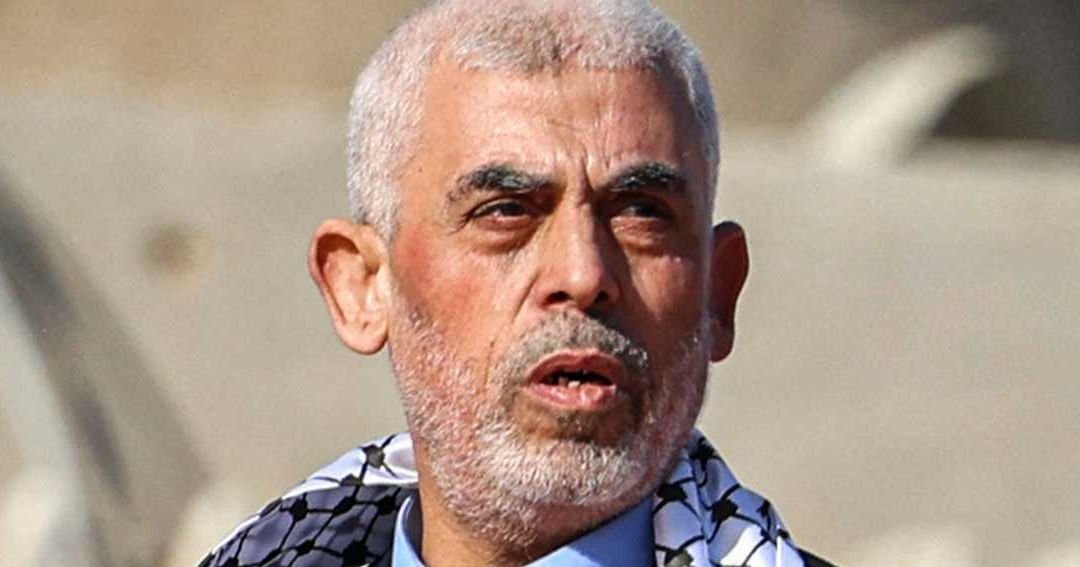
Israeli National Security Minister Itamar Ben-Gvir has publicly stated his commitment to the cremation of the remains of former Hamas political leader Yahya Sinwar. The pledge, which has drawn attention regarding the treatment of remains held by Israeli authorities, is explicitly conditional on Ben-Gvir assuming the role of Minister of Defense following a future Israeli election.
Sinwar, who had been a primary target for Israeli security forces throughout the ongoing conflict in the Gaza Strip, was killed during operations conducted by the Israel Defense Forces. His remains are currently held by the Israeli state. The remarks made by Ben-Gvir highlight the ongoing political discourse within the Israeli government regarding the handling of high-profile figures from Hamas and the management of their remains as part of the broader conflict and security strategy.
Ben-Gvir, who leads the Otzma Yehudit party, has frequently advocated for stringent security measures and hardline policies concerning Hamas and the situation in Gaza. His latest declaration aligns with his established political position on the conflict. The proposition to incinerate remains is a significant departure from standard protocols and has been positioned by the minister as a potential policy shift should he obtain control over the defense establishment.
The debate over the fate of Sinwar’s remains occurs against a backdrop of complex negotiations concerning the return of hostages held in Gaza and the remains of Israelis killed during the conflict. The Israeli government has consistently faced pressure from domestic stakeholders regarding its strategy for dealing with Hamas leadership and the recovery of those held captive. Ben-Gvir’s statement reflects the internal pressures and competing ideological viewpoints within the current Israeli coalition government.
While the Minister of National Security currently oversees internal security and police matters, the Ministry of Defense holds primary jurisdiction over the military and major operations within the Palestinian territories. Consequently, Ben-Gvir’s announcement serves as both a policy platform for his future political aspirations and an indication of the potential for more confrontational measures in the management of the conflict. The Israeli authorities have yet to comment on the feasibility or the legal implications of such a policy regarding the disposal of human remains held in state custody.
As the region continues to navigate the humanitarian and security challenges in Gaza, the rhetoric surrounding the treatment of key figures in the conflict remains a sensitive issue with broader implications for regional stability. The statement from the Israeli minister emphasizes the contentious nature of the ongoing military and political standoff.