At Least 139 Migrants Die in Boat Tragedy off Djibouti Coast
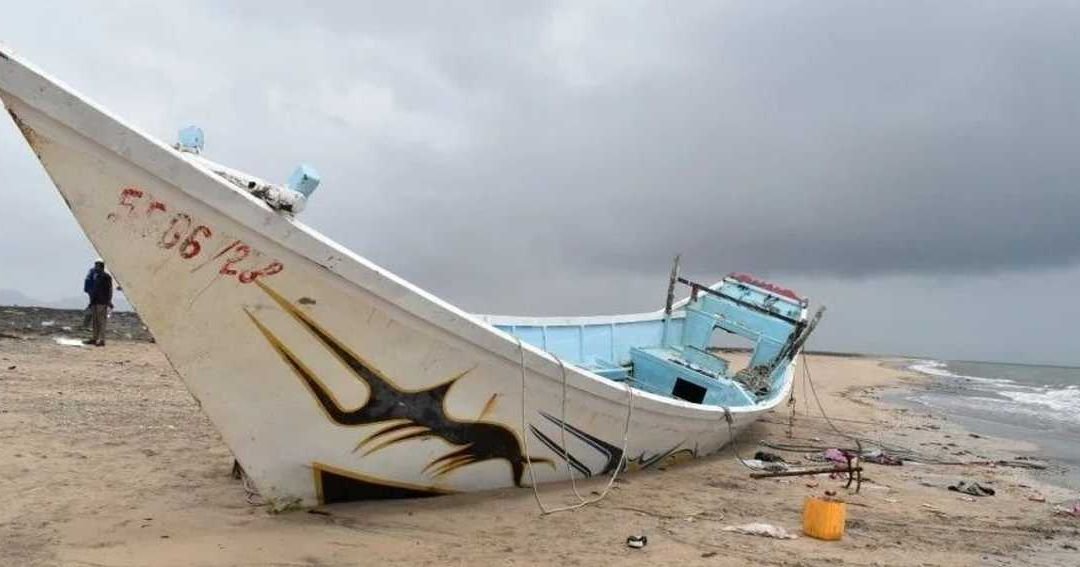
A devastating maritime tragedy has unfolded off the coast of Djibouti, where a migrant boat carrying passengers toward Yemen capsized, resulting in a significant loss of life. According to the United Nations, at least 139 individuals have been confirmed dead, while 84 others remain unaccounted for following the disaster that occurred overnight between Thursday and Friday.
The vessel, which was described as heavily overcrowded, was navigating the treacherous waters between the Horn of Africa and the Arabian Peninsula. This route is frequently utilized by migrants seeking to reach Yemen, often with the intention of transiting through the war-torn country toward other destinations in the Gulf and beyond. The dangers of these crossings, often facilitated by human smugglers using unseaworthy vessels, remain a critical humanitarian concern in the region.
Local authorities and international organizations are currently engaged in search and recovery operations, though the scale of the incident has presented significant challenges to rescue efforts. The sinking underscores the persistent perils faced by thousands of people who undertake perilous sea journeys across the Bab al-Mandab Strait and the Red Sea. Despite the ongoing instability and humanitarian crisis within Yemen, the country continues to serve as a primary transit corridor for migrants from the Horn of Africa, many of whom are fleeing conflict, poverty, and environmental hardship in their home nations.
The United Nations and various humanitarian agencies have repeatedly warned about the vulnerabilities of those attempting these crossings. Migrants on these routes are often subject to exploitation, abuse, and life-threatening conditions during the voyage. The high death toll reported in this latest incident highlights the urgent need for enhanced international cooperation and greater attention to the security and safety of maritime routes in the region. Humanitarian groups have consistently called for safer, legal pathways for migration to prevent such catastrophes from recurring, as the desperation of those seeking a better future often outweighs the known risks of the journey.
As the search for the missing individuals continues, the event remains a grim reminder of the broader regional challenges associated with migration and human trafficking. The maritime corridor between Djibouti and Yemen is one of the most active, yet dangerous, migration routes in the world. Regional stability and economic development remain key factors in addressing the root causes of the migration crisis, yet for many, the immediate reality remains a struggle for survival as they navigate the treacherous waters toward the Arabian Peninsula. The international community is expected to continue monitoring the situation as more details emerge from the ongoing recovery operations conducted by regional authorities and international observers.