Escalating Military Clashes in Taiz Spark Humanitarian Alarm
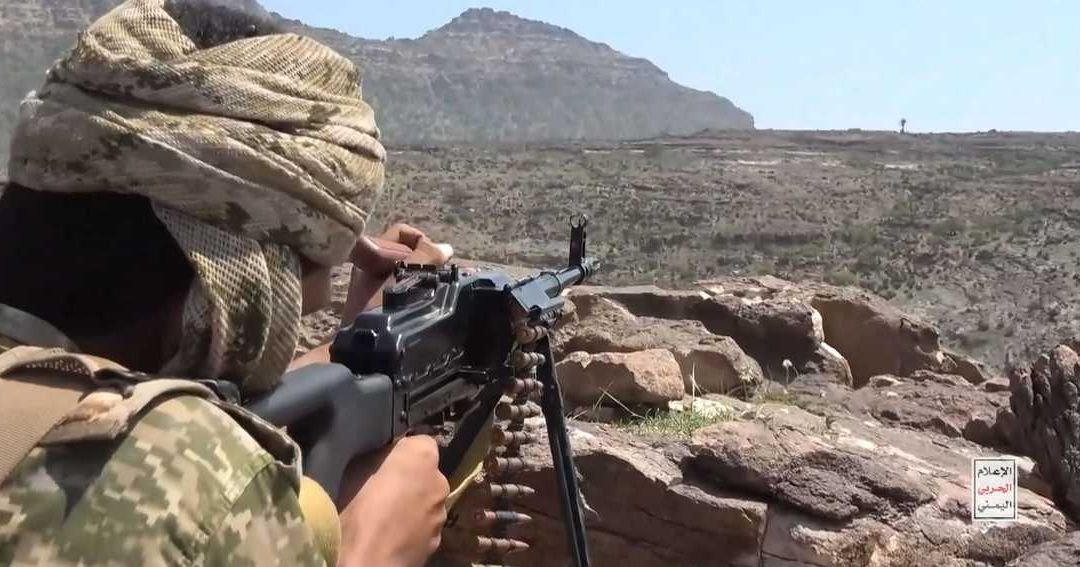
The city of Taiz, located in the southwestern region of Yemen, is currently facing a rapid and concerning escalation in military activity. As Houthi forces continue to advance into areas surrounding the city, the theater of conflict has shifted toward critical entry points, heightening the threat to local stability and the safety of the civilian population.
Local reports indicate that the recent surge in fighting has directly impacted the city’s primary lifelines. With confrontations intensifying near the gateways to Taiz, the movement of essential goods has been severely obstructed. The blockage and disruption of key routes pose a significant challenge to the sustained supply of food, fuel, and medical resources. For a city that has long been a focal point of the broader Yemeni conflict, this latest development represents a critical deterioration in the local security environment.
The humanitarian implications of these developments are profound. Taiz has previously endured protracted sieges and logistical isolation, which have historically decimated the availability of basic necessities. The current push by Houthi fighters into the city’s immediate periphery threatens to revive and worsen these conditions. Humanitarian organizations operating in the region have expressed deep concern that if the current military trajectory continues, the city could face an acute shortage of vital supplies, further straining an already fragile health infrastructure and food security network.
Strategically, the movement toward the city’s entrances marks a shift in the local military balance. By targeting the areas surrounding Taiz, the advancing forces are exerting direct pressure on the supply chains that connect the city to surrounding provinces. These routes are essential not only for the delivery of humanitarian aid but also for the daily economic activities of the local population. The continued presence of hostilities along these corridors hampers the ability of traders and aid agencies to maintain the flow of life-saving materials, including medicine and clean water supplies.
As the military situation remains fluid, the primary concern for regional observers and local residents is the potential for a complete breakdown in the already strained services available to the city’s inhabitants. The escalation serves as a reminder of the vulnerability of Yemen’s urban centers to shifts in front-line positions. With the conflict encroaching on the physical access points of the city, there is an urgent need for the preservation of civilian supply lines and a de-escalation of violence to mitigate the risk of a worsening humanitarian catastrophe. At present, the situation in Taiz remains highly volatile, with both local populations and international observers closely monitoring the impact of the ongoing military maneuvers on the city’s survival.