Libya: Floods Leave Three Dead as Storm Hits Tripoli
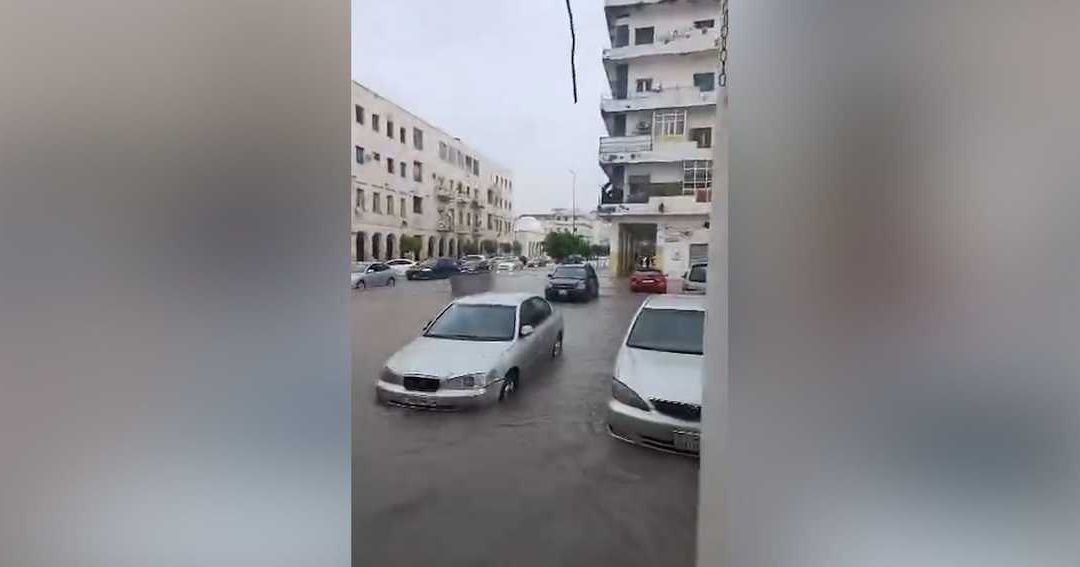
Heavy rainfall has battered the Libyan capital, Tripoli, and surrounding areas along the western coast, resulting in a trail of destruction and the loss of three lives. The intense weather system triggered widespread flooding, paralyzing the city as streets were transformed into channels of rainwater, forcing authorities to scramble in a race against time to manage the emergency.
The severe weather event led to the closure of several major road arteries, causing extensive traffic congestion and severing vital transportation links across the capital. Local officials have confirmed that emergency and rescue teams have been placed on high alert as they navigate the aftermath of the torrential rains to assist stranded residents and clear submerged thoroughfares. While recovery operations are currently underway, the flooding has highlighted ongoing concerns regarding the resilience of urban infrastructure in the face of extreme meteorological events.
According to official reports, the casualties were recorded as a direct consequence of the flooding, with several other individuals sustaining injuries. The surge of water inundated residential neighborhoods, causing damage to property and compounding the challenges faced by the emergency services. The intensity of the rainfall, which was described by local authorities as unusually high for the region, overwhelmed existing drainage systems, leading to the rapid accumulation of water in low-lying areas.
In response to the crisis, government rescue units and civil defense personnel have been deployed to the most affected districts. These teams are tasked with draining flooded streets, assisting citizens who have been displaced by the water, and ensuring that critical infrastructure remains operational. The situation has prompted an urgent call for public vigilance, with authorities advising citizens to exercise extreme caution when navigating the streets and to adhere to emergency protocols until the weather conditions stabilize.
As the cleanup efforts continue, the focus remains on restoring normalcy to the affected western regions. The incident serves as a stark reminder of the vulnerability of coastal infrastructure in Libya to sudden environmental shifts, necessitating a comprehensive review of urban planning and emergency preparedness. At this stage, official assessments of the material damage are still being compiled as the focus remains firmly on humanitarian assistance and life-saving operations. Further updates are expected once the floodwaters recede and the full scope of the impact can be accurately measured by the municipal and central authorities currently managing the response.