Trump Labels Houthi Actions in Yemen as Highly Destructive
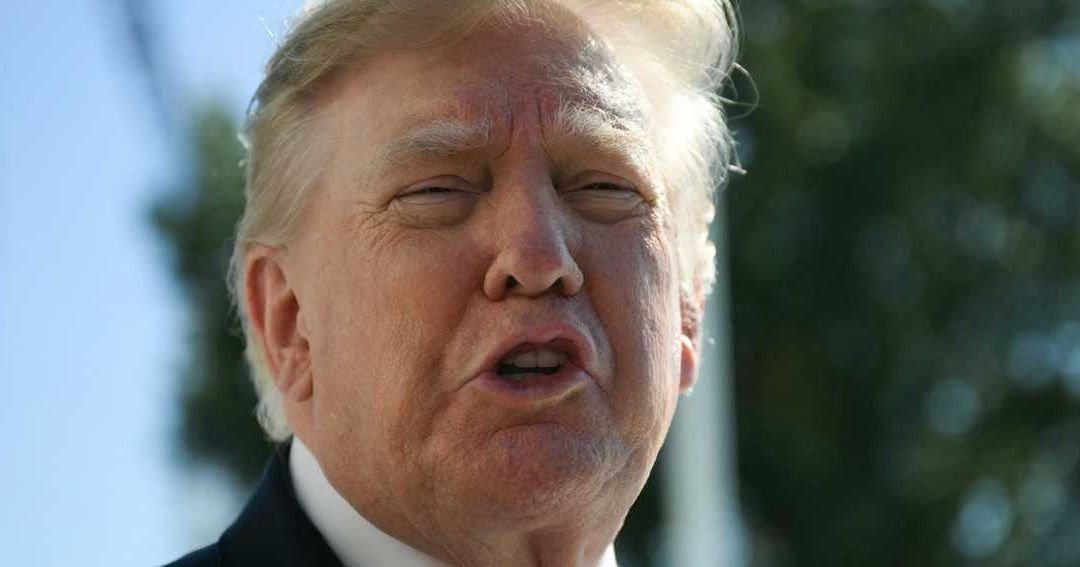
Former U.S. President Donald Trump has issued a sharp rebuke regarding the actions of the Houthi militia in Yemen, characterizing the group’s conduct as exceptionally poor. The comments were made during a period of heightened regional volatility, as the broader Middle East grapples with the cascading effects of ongoing geopolitical frictions between the United States and Iran.
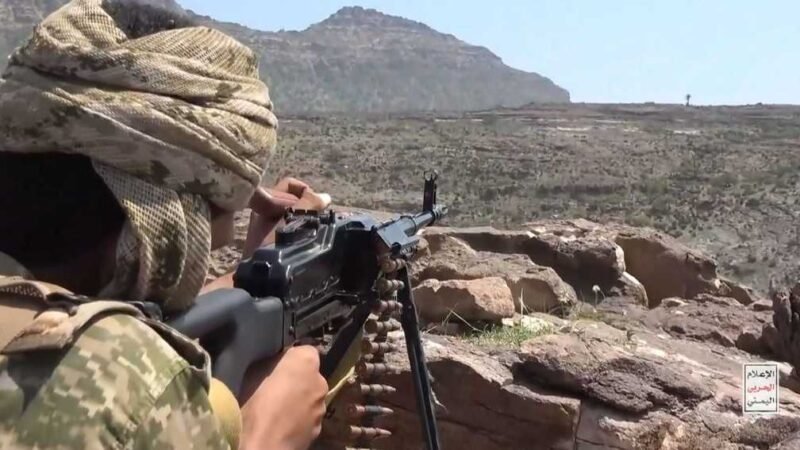
The Houthi movement, which currently exercises control over vast territories within Yemen, including the capital city of Sanaa, remains a central figure in the complex security landscape of the Arabian Peninsula. Trump’s remarks highlight the ongoing international scrutiny directed at the group, whose military operations and control over strategic maritime corridors have frequently drawn condemnation from Western and regional powers.
Since the escalation of tensions between Washington and Tehran, the security situation in Yemen has become increasingly intertwined with broader regional power struggles. The influence exerted by the Houthis, who have maintained a long-standing strategic alignment with Iran, has frequently placed them at the forefront of discussions concerning regional stability and the protection of global trade routes. Observers note that the movement’s actions—ranging from domestic territorial governance to its involvement in wider regional military posturing—continue to challenge international efforts aimed at brokering a durable peace in the long-embattled nation.
The former President’s assessment of the group’s behavior reinforces the consistent stance held by several international stakeholders who view the militia’s activities as a primary impediment to the stabilization of Yemen and the security of the wider Middle East. By explicitly linking the group’s current trajectory to the wider regional fallout between the U.S. and Iran, Trump underscored the significant impact that the Yemeni conflict has on the overall strategic environment of the Middle East.
As the region navigates this period of uncertainty, the role of non-state actors like the Houthi militia remains a focal point for security analysts. Their ability to project influence far beyond their territorial base, often through sophisticated military capabilities, continues to complicate the diplomatic landscape. The international community, led by various regional and global actors, continues to assess the long-term implications of these developments, particularly as they relate to the security of key energy transit points and the overarching stability of the Arabian Gulf and Red Sea corridors.
While the humanitarian and political crisis in Yemen remains a multifaceted challenge, the characterization of Houthi activities as increasingly disruptive reflects the intensifying focus on the group’s role in exacerbating regional tensions. The ongoing situation serves as a stark reminder of how local developments in Yemen are deeply embedded in the wider web of Middle Eastern geopolitics, carrying consequences that reach well beyond the country’s own borders.