Netanyahu Confirms Visit by Former Egyptian Intel Chief Before Oct 7
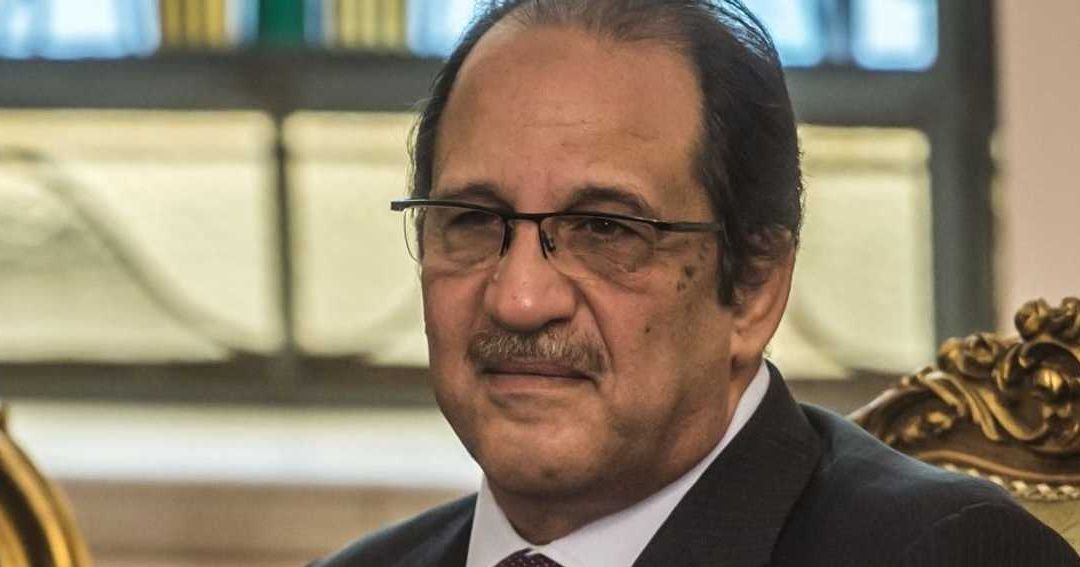
In a significant development regarding the security landscape leading up to the October 7, 2023, attacks, Israeli Prime Minister Benjamin Netanyahu has publicly acknowledged that the former head of the Egyptian General Intelligence Service, Abbas Kamel, conducted a visit to Israel just over a week before the conflict erupted. This marks the first time the Israeli leader has formally confirmed the timing and occurrence of the high-level diplomatic meeting in the context of the events surrounding the start of the war in Gaza.
The disclosure highlights the complex web of diplomatic and security engagements that were taking place between regional powers and Israeli officials in the period immediately preceding the escalation. Egypt, which maintains a strategic role as a mediator in regional security affairs and historically mediates between Israel and various Palestinian factions, has long been a focal point for intelligence and security dialogue in the region. The confirmation of this visit provides a specific timeline for one of the major diplomatic interactions involving a key regional security figure prior to the major shift in the geopolitical landscape triggered by the events of October 7.
While details of the discussions held during the visit remain largely confidential, the admission by the Israeli Prime Minister places the Egyptian intelligence delegation within Israeli territory exactly a week and a half before the outbreak of hostilities. This timing has drawn significant attention from political analysts and regional observers looking to understand the intelligence climate during that critical window. The role of Egyptian intelligence has historically been central to the stability of the border regions, particularly concerning the Gaza Strip, and the nature of these ongoing security consultations remains a subject of intense scrutiny.
By acknowledging this visit, Netanyahu has brought a previously internal intelligence matter into the public sphere. The visit of a high-ranking official of Abbas Kamel’s stature, who served as a central conduit for communication between Cairo, Tel Aviv, and various stakeholders in the Palestinian territories, underlines the high-stakes nature of the security coordination efforts that were underway at the time. The confirmation underscores the intensity of the diplomatic efforts that were being pursued to manage regional tensions before the situation underwent a profound and violent transformation.
As the region continues to navigate the aftermath of the October 7 attack and the subsequent war, the details surrounding these high-level contacts remain pertinent to the broader narrative of regional security and diplomatic engagement. The involvement of top-tier intelligence officials from neighbouring states continues to be a critical element in the ongoing analysis of how different actors attempted to influence or anticipate the developments that have reshaped the Middle East over the past year. This confirmation by the Israeli government provides a verifiable reference point for those examining the pre-war period, clarifying the timeline of diplomatic activity between Egypt and Israel at a moment of mounting regional concern.