Iran President Cites Toughest Economic Pressure Since 1979
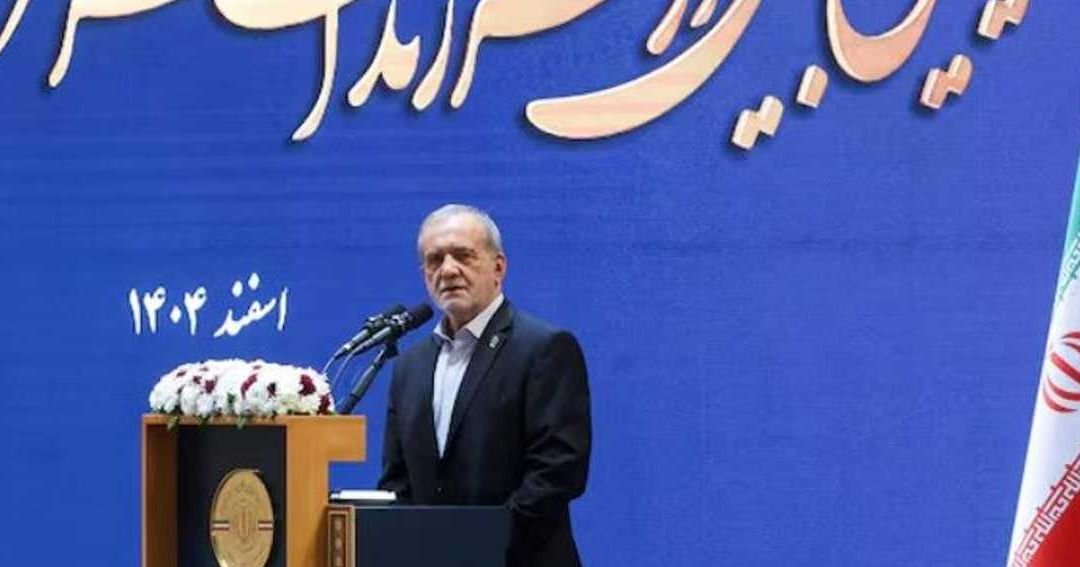
Iranian President Masoud Pezeshkian has stated that the Islamic Republic is currently enduring the most severe economic siege and operational difficulties it has faced since the 1979 revolution. The remarks highlight the deepening strain on the nation’s domestic stability as the leadership grapples with sustained international isolation and significant financial challenges.
In his assessment of the current geopolitical landscape, President Pezeshkian specifically identified the United States as the primary driver behind the current climate of pressure. According to the president, Washington is systematically attempting to exacerbate the living conditions of the Iranian population with the explicit aim of inciting internal civil unrest and widespread protests. By targeting the livelihoods of ordinary citizens, the administration in Tehran argues that the United States is seeking to undermine the legitimacy and control of the central government.
Since the restoration of significant international sanctions, the Iranian economy has faced persistent inflation, currency volatility, and restricted access to global financial markets. These conditions have been further compounded by regional tensions that continue to challenge Iran’s diplomatic and economic outreach. The government in Tehran has long maintained that such external measures are part of a deliberate strategy to destabilize the state from within.
President Pezeshkian’s acknowledgement of the gravity of the situation underscores the existential concerns currently defining the administration’s policy discourse. The reference to 1979 serves as a stark reminder of the historical context through which the leadership views current events, framing the modern economic challenges as a direct continuation of the long-standing ideological and political standoff between Tehran and Western powers, particularly the United States.
The domestic implications of these pressures remain a focal point for the Iranian government. By linking the worsening economic environment to foreign interference, the state aims to consolidate support and frame current hardships as a battle for national sovereignty. However, the intensity of the struggle, as described by the president, suggests that the internal landscape is becoming increasingly difficult to navigate as the administration seeks to stabilize the national economy in the face of what it describes as an unprecedented systemic blockade.
As the government prepares to address these challenges, the rhetoric from Tehran highlights a period of profound uncertainty. The focus remains on mitigating the impact of external policies that the leadership claims are intentionally designed to erode the social fabric and trigger opposition to the ruling order. The situation remains a critical factor in the broader strategic calculations within the region, as Tehran continues to navigate its role amidst ongoing economic isolation and high-stakes diplomatic maneuvering.